
The Discipline of Emotional Maturity
Emotional maturity is not silence and it is not softness. It is disciplined response under pressure. Strength is measured by what you refuse to escalate.

Emotional maturity is not silence and it is not softness. It is disciplined response under pressure. Strength is measured by what you refuse to escalate.
Stillness improves decision-making by creating the quiet space where reflection can happen before action begins. When the mind slows down, perspective grows stronger, assumptions become visible, and choices become clearer.

Waiting without worry requires discipline, trust, and steady action. Learn how to remain faithful while timing unfolds.
I used to enter rooms ahead of myself—already moving, already managing outcomes. This reflection marks the moment I learned that presence begins with pause, not speed.
Stillness creates the conditions where clarity, emotional balance, and disciplined thinking emerge. When noise fades, better decisions become possible.
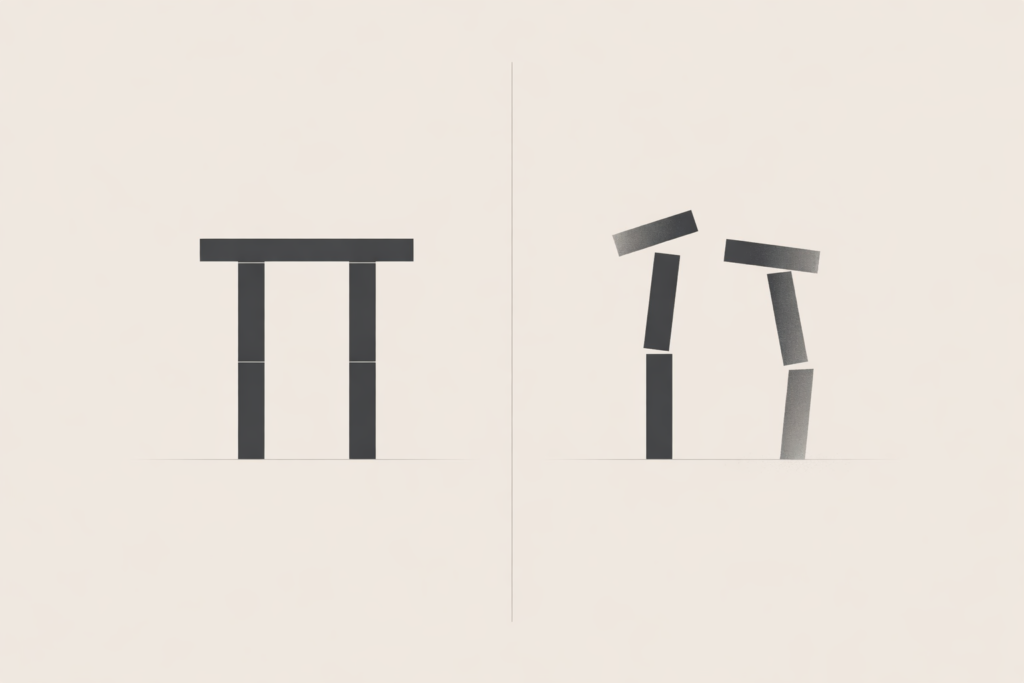
Stillness and inaction often look the same from the outside, but they come from very different places. Stillness is a deliberate pause that creates clarity before movement, while inaction is avoidance disguised as patience. Learning to recognize the difference determines whether a person moves through life with intention or quietly drifts past the moments that require courage and decision.

Stillness is not inactivity. It is the quiet internal order that allows clear thinking, thoughtful decisions, and disciplined action.

Unexamined assumptions influence more decisions than deliberate thought. They shape expectations, tone, and reactions long before we recognize their presence. Discipline begins when we pause long enough to question what feels obvious.
The work is yours. The timing is not. A reminder that discipline requires effort, but peace requires trust in the season.

Discernment under pressure is not about speed. It is about proportion. When urgency enters a situation, judgment narrows. Options collapse.

Emotional stability discipline is not about suppressing feeling. It is trained regulation under pressure. Stability grows when reaction is governed by pause, precision, and repeated internal structure.
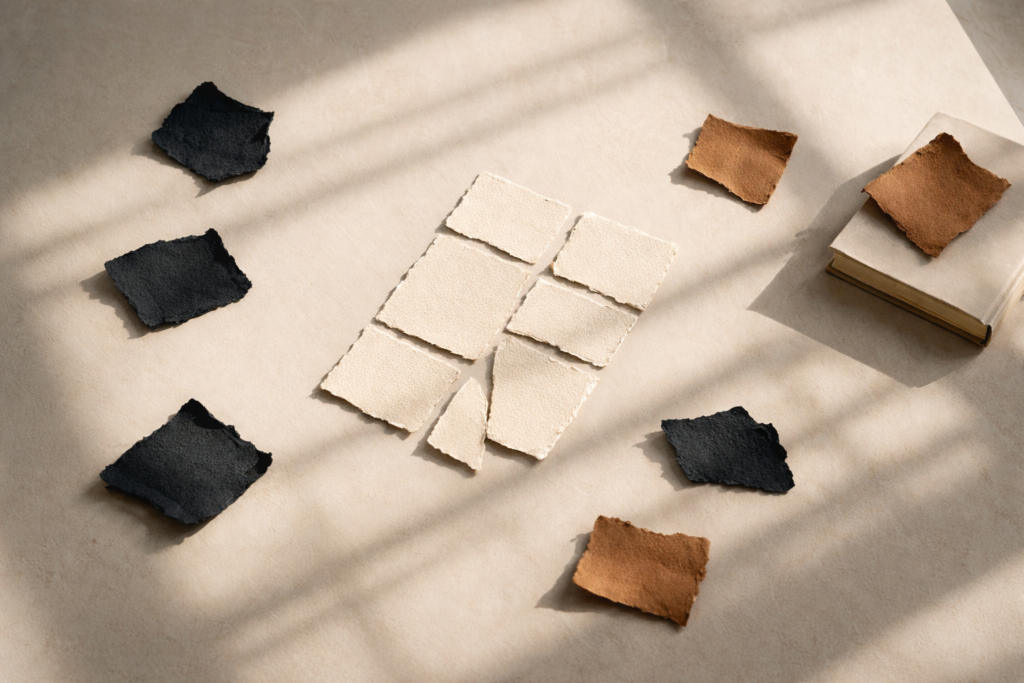
The quiet cost of narrative shortcuts is fragmentation. When we move too fast toward conclusions, we trade clarity for comfort. Stillness restores order.