

How Do I Know God’s Will for My Life?
How do I know God’s will for my life? Scripture gives us more than a formula for finding the right decision. It teaches us how to become people who can choose with wisdom, discernment, trust, and faithfulness.
Stillness & Soul explores internal clarity, emotional rhythm, spiritual grounding, and the quiet disciplines that shape a person’s inner life.
This category centers the reflective work that gives external action its stability. That work includes faith, stillness, discernment, emotional literacy, rest, self-awareness, spiritual discipline, restraint, and the ability to recognize what is happening within before reacting to what is happening around you.
The goal is not withdrawal from ordinary life. Instead, the aim is better presence inside it. Over time, the work helps readers move with presence rather than urgency, alignment rather than reaction, and truth rather than noise.
The Stillness & Soul Principle
Inner stability changes the way a person moves through the world.
Stillness creates room to notice. From there, discernment helps interpret what appears. Faith gives the inner life a center, while emotional literacy makes internal conditions more readable. Discipline then carries that clarity back into daily life.
Not every inner question needs the same kind of answer. Begin with the condition you are actually trying to understand, then choose the lane designed to help you examine it.
Faith & Spiritual Grounding
Scripture-centered reflections on prayer, trust, forgiveness, waiting, discernment, spiritual discipline, and everyday Christian living.
Wisdom & Discernment
Practical guidance on emotional discipline, self-awareness, discernment, boundaries, clear thinking, decision-making, and wiser responses under pressure.
Emotional Literacy
Learn to read pressure, fog, clarity, drift, emotional fronts, and recurring internal patterns before they quietly begin shaping behavior.
Today’s Revival creates room for spiritual reflection without pretending faith eliminates uncertainty. N. Grace James builds the Series inside the Stillness & Soul territory.
Through Scripture-centered reflection, the Series explores prayer, trust, waiting, forgiveness, spiritual discipline, emotional honesty, grief, rest, renewal, and the ordinary questions people carry when belief and real life meet.
Most importantly, the emphasis is not performance. It is return: return to Scripture, return to prayer, return to truth, and return to the practices that help faith become something lived rather than merely claimed.
Biblical Stillness and Discipline: What Does the Bible Say About Being Still?
Wisdom is not information collected. It is judgment improved.
Wisdom Wednesday is N. Grace James’s applied-judgment Series inside Stillness & Soul. It carries reflective work into ordinary decisions without requiring every question to begin with a formal spiritual frame.
The Series begins with ordinary questions about emotion, interpretation, boundaries, identity, restraint, pressure, uncertainty, and decision-making.
These reflections create space between what happens and what a person decides it means. That space matters because immediate interpretation is not always accurate interpretation. A feeling can be real without becoming the final authority over what happens next.
The Quiet Places We Keep Avoiding
For every installment rather than the curated Series hub,
browse the complete Wisdom Wednesday archive.
Emotional conditions can influence judgment before their effects become obvious in behavior.
Built by Auden Larke, The Soul Weather Report gives readers a practical language for observing internal conditions without turning every temporary feeling into an identity.
Pressure, visibility, drift, changing fronts, fatigue, fog, and periods of clarity can all be observed. Once those conditions are named, they become easier to examine and less likely to quietly govern what happens next.
Emotional awareness becomes useful when it improves interpretation, judgment, and response.
Stillness is useful because it creates separation between stimulus and response.
Stillness Notes, built by Joseph E. Mercer, examines stillness as orientation, filtration, judgment, restraint, attention, and disciplined preparation before action.
Instead of treating quiet as passivity, the Series uses stillness as a filter. It asks what deserves entry, what deserves response, and what should never be allowed to govern attention in the first place.
Stillness as Discipline: Orientation Before Movement
Some internal patterns need more than comfort. They need interpretation.
Built by Celeste Monroe, Soul Commentary examines the space between stimulus, interpretation, impulse, and response. The Series explores reaction, restraint, discernment, exposure, misunderstanding, urgency, attention, boundaries, composure, and self-command.
The work does not treat every feeling as an instruction. Instead, it examines what happens internally before a person decides what a moment actually requires. Reflection becomes useful when it protects clarity, judgment, and deliberate response.
A home can look orderly and still create unnecessary work.
House Rhythm, also built by Celeste Monroe, examines the systems that determine how a home actually runs. Rooms, routines, resets, storage, cleaning, laundry, maintenance, placement, transitions, and unfinished handoffs reveal where recurring household friction begins.
The goal is not aesthetic perfection. It is continuity. House Rhythm asks why ordinary problems keep returning, identifies the point where the household sequence breaks down, and looks for practical corrections that make the home easier to maintain.
Not every form of growth announces itself.
Sister Elder Maya Okoro builds this work around the slow formation of character through stewardship, wisdom, responsibility, correction, repetition, trust, restraint, and the choices people make without an audience.
The Path establishes the foundational spiritual and character language. From there, The Quiet Work carries that philosophy into a wider framework for becoming someone capable of holding responsibility without turning the work into performance.
Framework:
The Quiet Work
Foundation:
The Quiet Work Begins Where No One Is Watching
Foundational Series:
The Path
Discernment is one of the load-bearing skills inside Stillness & Soul.
At its core, discernment asks a person to notice what is happening without immediately obeying it. Feelings provide information, but they are not always instructions. Urgency creates pressure, yet pressure does not automatically establish importance.
In the same way, intuition may reveal a signal while interpretation still requires patience. Stillness creates the space; discernment does the sorting.
Stillness is often mistaken for withdrawal because modern life rewards visible motion.
Yet constant movement can still be directionless. Activity does not guarantee clarity, responsiveness does not guarantee wisdom, and speed does not guarantee progress.
By interrupting that confusion, stillness creates enough distance to separate urgency from importance, reaction from response, emotional weather from permanent truth, and responsibility from pressure that never belonged to a person in the first place.
That is why Stillness Is Strategy remains foundational to this territory. Quiet is not the destination. Rather, it is where clearer movement begins.
Inner stability rarely arrives through one dramatic breakthrough.
Usually, the process is quieter. A person pauses before reacting, and that pause creates room to notice. What gets noticed can then be named, while what gets named becomes easier to examine.
Over time, better interpretation improves judgment, and better judgment begins to change behavior.
The opposite happens when every internal signal produces immediate action. Pressure becomes urgency. Fear becomes prediction. Fatigue becomes failure. Eventually, a temporary emotional condition can begin making permanent decisions.
Stillness & Soul exists to interrupt that cycle.
The category follows a simple progression:
pause → notice → name → discern → align → act → return.
Use this map to find the right lane for the question you are carrying.
| Question | Series or Framework | What It Helps You See |
|---|---|---|
| How do I ground my faith in ordinary life? | Today’s Revival | Prayer, Scripture, trust, forgiveness, waiting, spiritual discipline |
| How do I respond more wisely? | Wisdom Wednesday | Judgment, self-awareness, emotional discipline, boundaries |
| What am I actually feeling? | The Soul Weather Report | Pressure, fog, drift, emotional signals, recurring patterns |
| How do I protect clarity before acting? | Stillness Notes | Attention, filtering, orientation, restraint, judgment |
| What household pattern keeps creating unnecessary friction? | House Rhythm | Household systems, routines, placement, maintenance, resets, recurring friction |
| What does my reaction reveal? | Soul Commentary | Reaction, restraint, discernment, boundaries, interpretation, self-command |
| Who am I becoming when nobody is watching? | The Quiet Work | Character, stewardship, repetition, responsibility, integrity |
Stillness & Soul is built around practical questions about faith, emotional clarity, discernment, inner peace, rest, self-awareness, spiritual formation, judgment, and intentional living.
Several distinct Builders work inside this territory because faith, emotional literacy, disciplined stillness, household rhythm, and character formation overlap without becoming the same work.
Today’s Revival · Wisdom Wednesday
Faith, prayer, Scripture, wisdom, discernment, emotional discipline, self-awareness, restraint, rest, and spiritual formation.
The Soul Weather Report
Emotional climate, internal signals, perception, pattern recognition, self-awareness, pressure, clarity, and disciplined observation.
House Rhythm · Soul Commentary
Household systems, recurring domestic friction, reaction, restraint, discernment, boundaries, composure, and self-command.
Stillness Notes
Stillness as discipline, attention, orientation, filtration, restraint, standards, judgment, and clarity before movement.
The Quiet Work · The Path
Character, stewardship, wisdom, correction, responsibility, trust, integrity, repetition, and private formation.
The inner life does not remain private.
Eventually, what happens inside reaches decisions, relationships, work, money, parenting, leadership, faith, and the way a person moves through pressure.
Unexamined fear can become avoidance, while unmanaged pressure can become reaction. Exhaustion can weaken judgment. Practiced stillness can become restraint, discernment can improve timing, faith can become steadiness, and emotional awareness can support wiser action.
Stillness & Soul is where Groundwork Daily builds that interior architecture, not as escape from the world, but as preparation to meet it more clearly.
Start with what feels loudest inside. Then choose the Series, framework, or territory designed to help you read it more clearly.
Groundwork Daily explores faith, discernment, emotional clarity, stillness, wisdom, spiritual discipline, restoration, and the quiet practices that help a person remain grounded under pressure.
How do I know God’s will for my life? Scripture gives us more than a formula for finding the right decision. It teaches us how to become people who can choose with wisdom, discernment, trust, and faithfulness.

Kitchen counter clutter is rarely random. It marks the objects a household has not given a destination yet: mail, keys, packages, chargers. This piece traces where the pattern starts and what stops it from returning.

Emotional honesty does not require complete emotional access. Some feelings need language. Others need time, privacy, or no public explanation at all. Discernment begins with knowing the difference.

Advice can sharpen a decision. It can also help you avoid making one. The difficult question is knowing when you have enough information—and when another opinion is only postponing ownership.

Why does God allow suffering? Scripture does not offer one simple explanation for every painful experience. Instead, it gives us room to grieve, question, trust, and remain with God when life does not make sense.

Smart people ignore red flags too. The problem is not always failing to see the warning. Sometimes desire, attachment, and rationalization make visible evidence easier to explain away.

What does the Bible say about anxiety? Scripture does not ignore worry or fear. It invites us to bring anxious thoughts to God with honesty, prayer, trust, and patient dependence.

Household maintenance is more than cleaning. Small unfinished tasks accumulate quietly, adding friction until an otherwise functional home becomes harder to run.

Your first interpretation can feel like fact before you have examined the evidence. Wisdom begins when you separate what happened from what you assumed it meant.
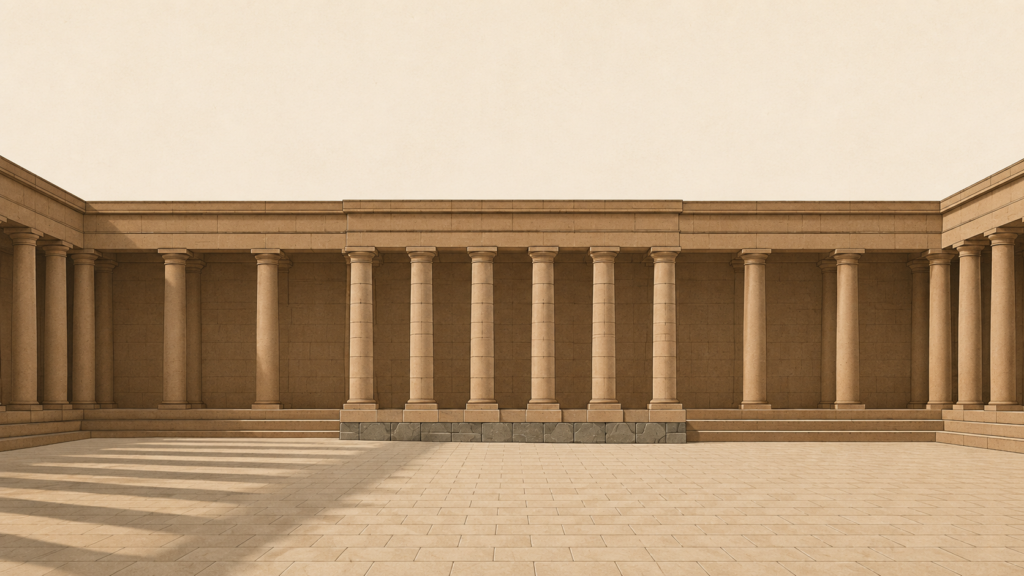
Integrity is built long before it is tested. Every quiet decision, honest correction, and unseen act of faithfulness strengthens the structure that will one day carry life’s greatest pressures.
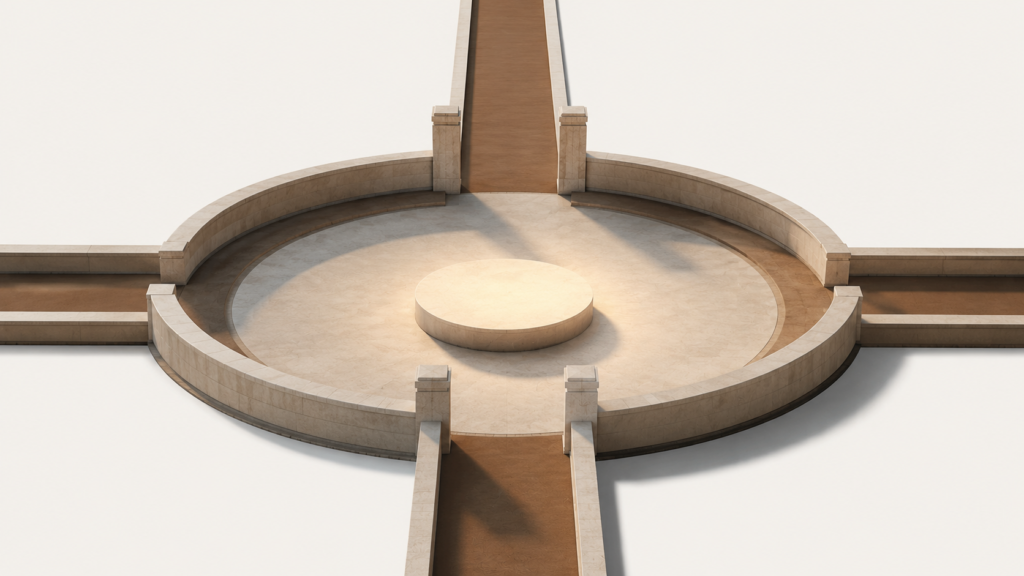
Prayer is meant to draw us closer to God, yet many believers struggle to pray consistently. Scripture shows that difficulty in prayer is not unusual and invites us to return with honesty, humility, and perseverance.

Not every disagreement requires an answer, and not every misunderstanding needs to be corrected. Why Not Everything Needs Your Response explores how discernment, restraint, and intentional silence protect your peace without turning avoidance into wisdom.