
When the Outcome Is Not Yours: Today’s Revival
Disciplined surrender means doing what is yours to do and releasing what is not. Peace returns when responsibility replaces obsession.

Disciplined surrender means doing what is yours to do and releasing what is not. Peace returns when responsibility replaces obsession.
Why healthy relationships slowly fall apart is rarely about a single event. It is gradual drift. Conversations avoided. Boundaries softened. Effort imbalanced. Small disciplines abandoned until stability erodes quietly.

Emotional restraint is not suppression; it is strength under control. In a culture that rewards loud reactions, disciplined calm becomes rare power. Wisdom grows in the pause between impulse and response.
Overthinking at night drains tomorrow’s strength. Use a simple three-step shutdown to contain the loop, name one action, and rest with clarity.
Letting go of control restores peace and strength. Keep responsibility, release outcomes, and move forward with calm authority today.
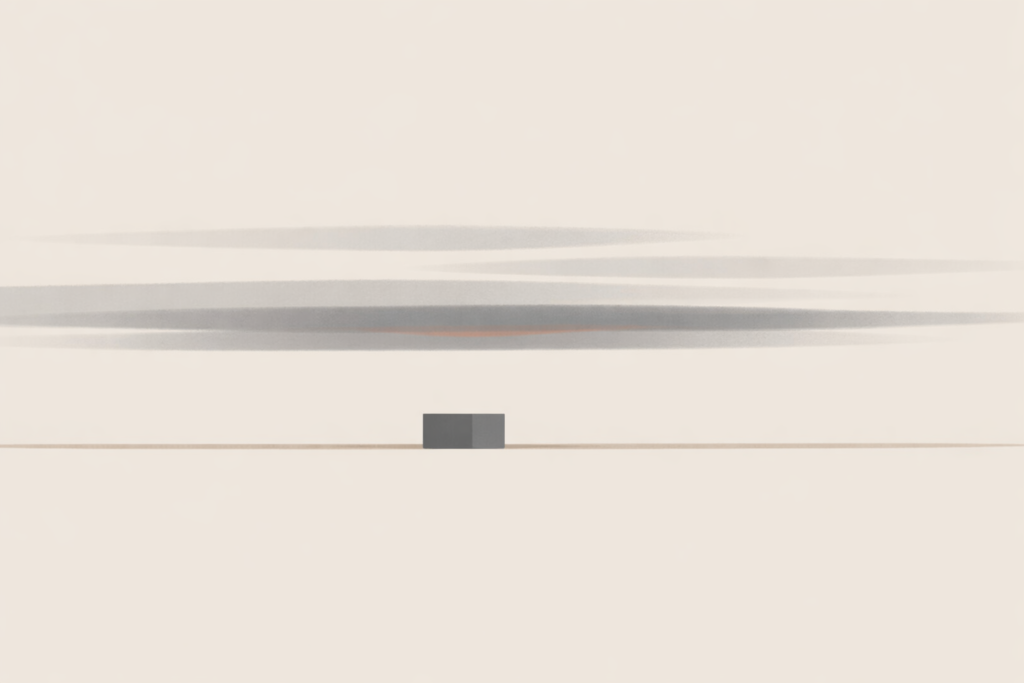
Living in forecast mode is what happens when uncertainty never resolves. The body stays alert, the mind keeps scanning, and stillness feels provisional. This reflection explores the quiet emotional cost of unfinished systems and what it takes to rest without resolution.
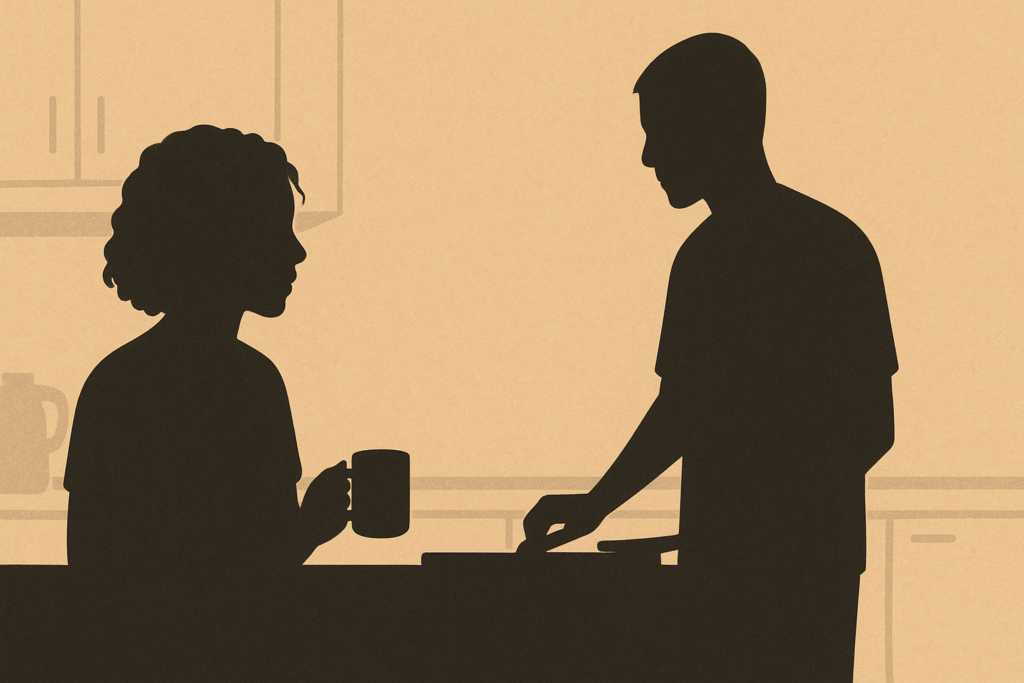
A quiet moment in a kitchen reveals why boundaries are not insecurity but the structure that protects love.
Speed is often mistaken for progress. Moving too fast narrows judgment, replaces assessment with pressure, and turns urgency into risk.
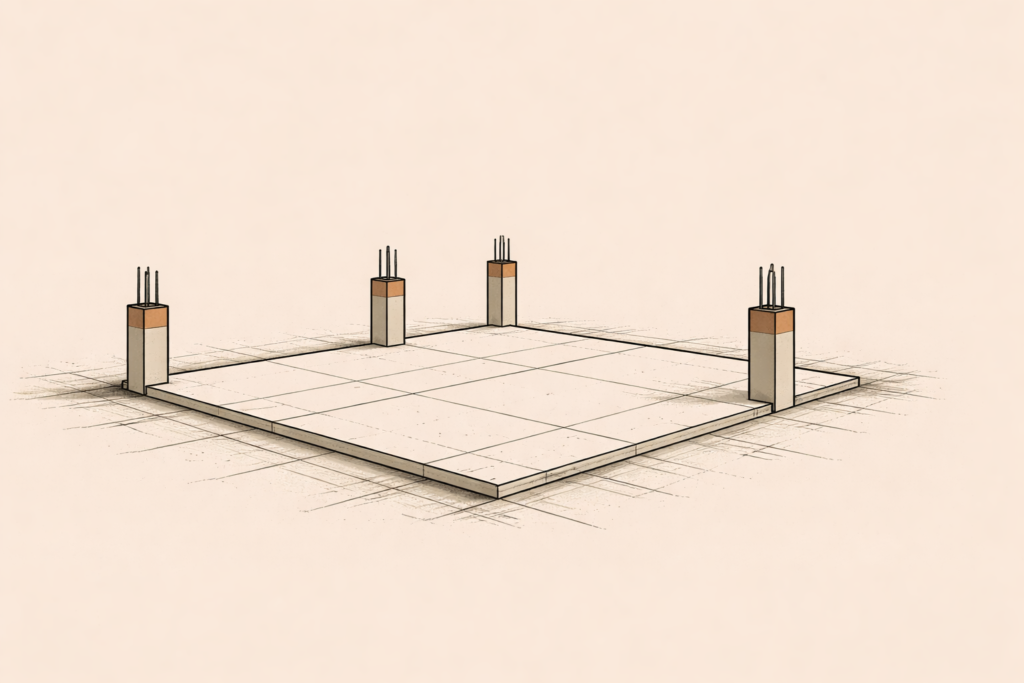
Deconstruction removes pressure before it adds responsibility. Relief feels like progress until rebuilding becomes necessary.
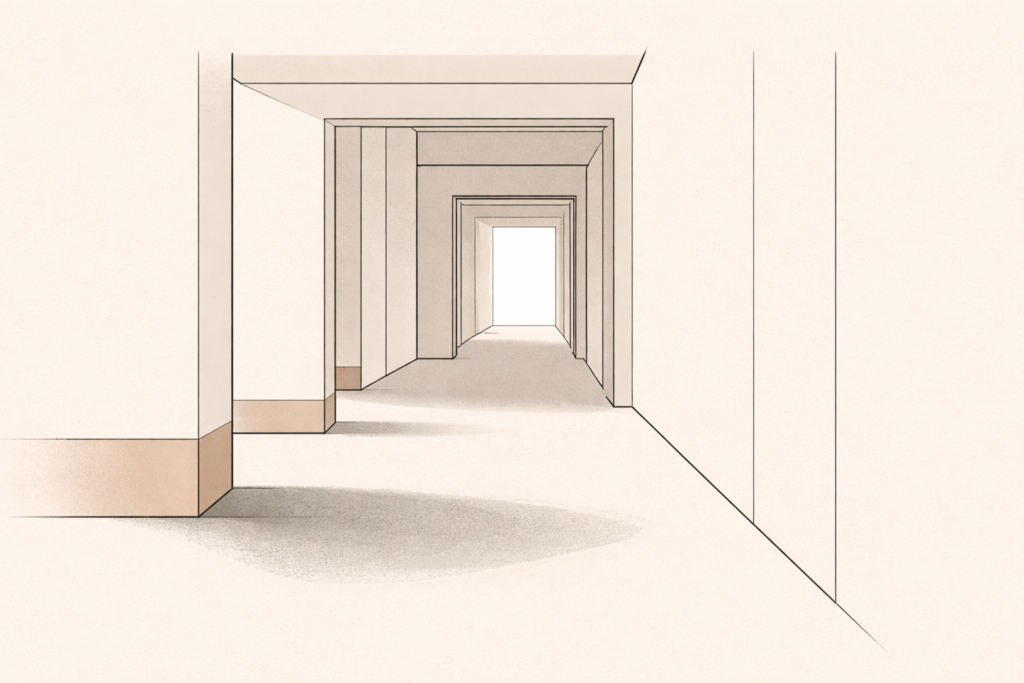
There is a moment when speaking up can still change the shape of things. After that moment passes, silence stops being neutral and becomes a cost that compounds quietly.
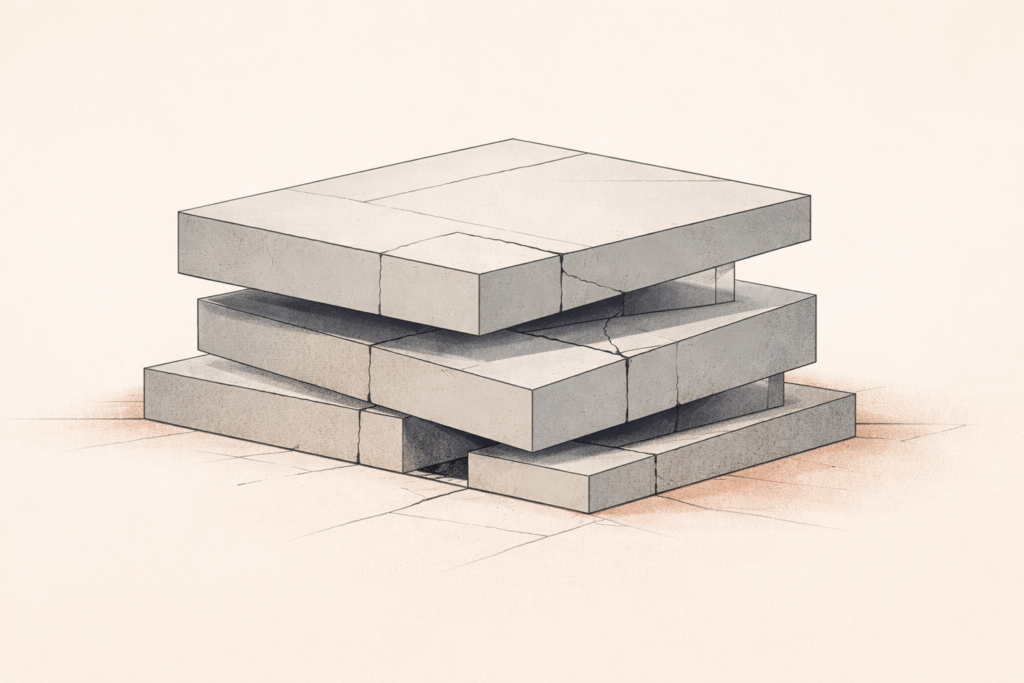
Most breakdowns do not happen all at once. They begin when learning is rushed, earning is inflated, or returning is postponed. Over time, skipped phases strain the structure beneath a life that still appears intact.
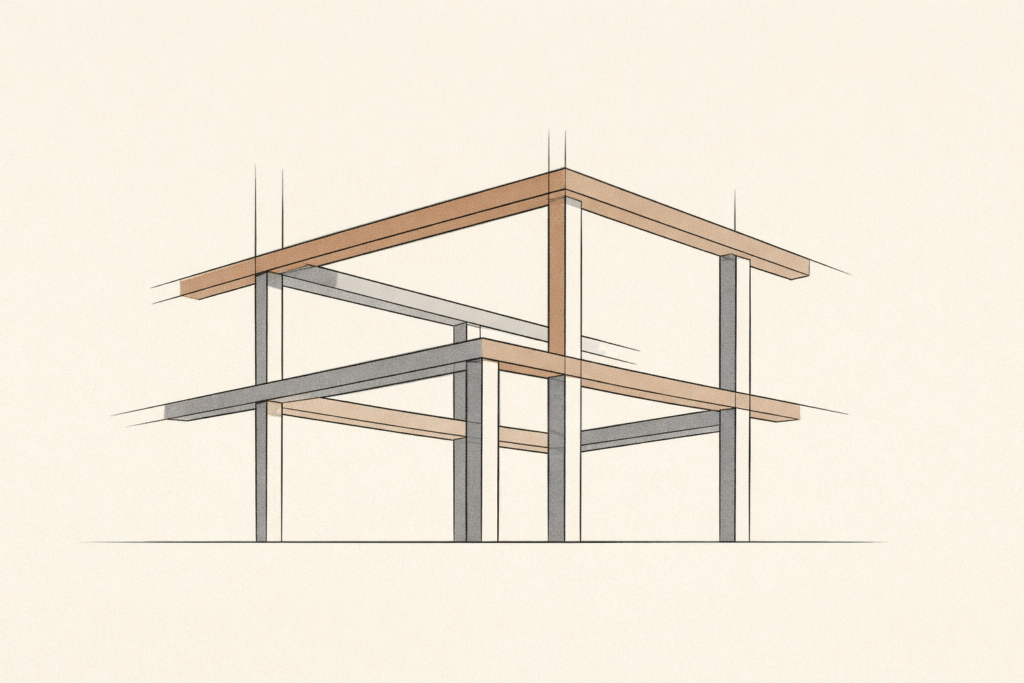
Calm is often mistaken for temperament. In reality, it is a skill developed through repetition, restraint, and internal order. Stillness is not something you are born with. It is something you practice.