
The Discipline of Emotional Delay
Emotional delay is the discipline of inserting structure between stimulus and response. A brief pause protects clarity, stabilizes tone, and prevents unnecessary damage under pressure.

Emotional delay is the discipline of inserting structure between stimulus and response. A brief pause protects clarity, stabilizes tone, and prevents unnecessary damage under pressure.
Not all fatigue is physical. Much of what feels like exhaustion is actually decision overload, weak boundaries, and inconsistent structure draining your energy daily.

Faithfulness is the assignment, not applause. Discover how steady obedience builds lasting strength and disciplined purpose.
Emotional reactivity is the habit of responding before clarity has formed. Stability begins when you learn to pause long enough for understanding to catch up.
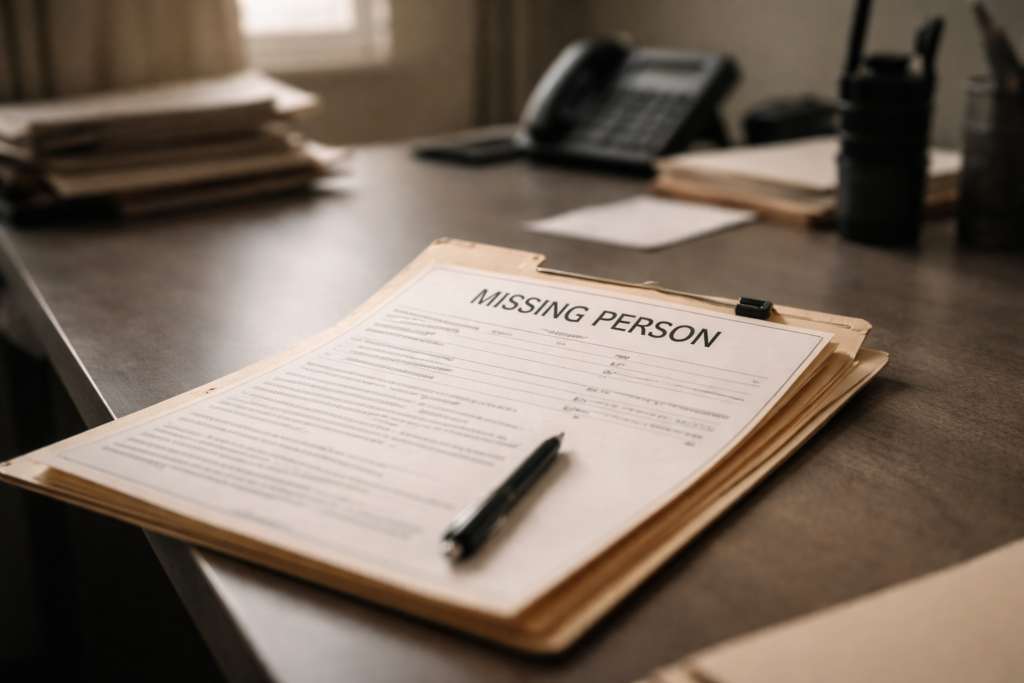
When a disappearance is labeled a runaway case, the classification shapes response speed, investigative posture, and public urgency. This Journal reflection examines runaway classification bias, how procedural language redirects escalation pathways, and the emotional cost families carry when a label narrows the corridor of response.

Emancipation promised freedom, but many newly freed families faced hunger, uncertainty, and landlessness. A reflection on what freedom meant when survival still depended on work, land, and economic security.

Stillness is not doing nothing. It is the discipline of pausing long enough to think clearly before acting.

Stillness in a noisy world is a rare form of strength. Quiet reflection helps the mind think clearly in a culture driven by constant noise.
Peace is not the absence of pressure. It is the discipline of remaining steady when life tests your convictions. Calm is built through structure, not luck.
Decision fatigue is not a personal weakness. It is a structural failure. When every choice demands attention, clarity breaks down. Discipline begins by refusing what does not matter.

Patience as power is not passive delay. It is disciplined timing. Strength often appears in what you refuse to rush.

Quiet thinking creates space for clarity. By slowing the mind and reducing noise, reflection reveals deeper insight and strengthens judgment.