
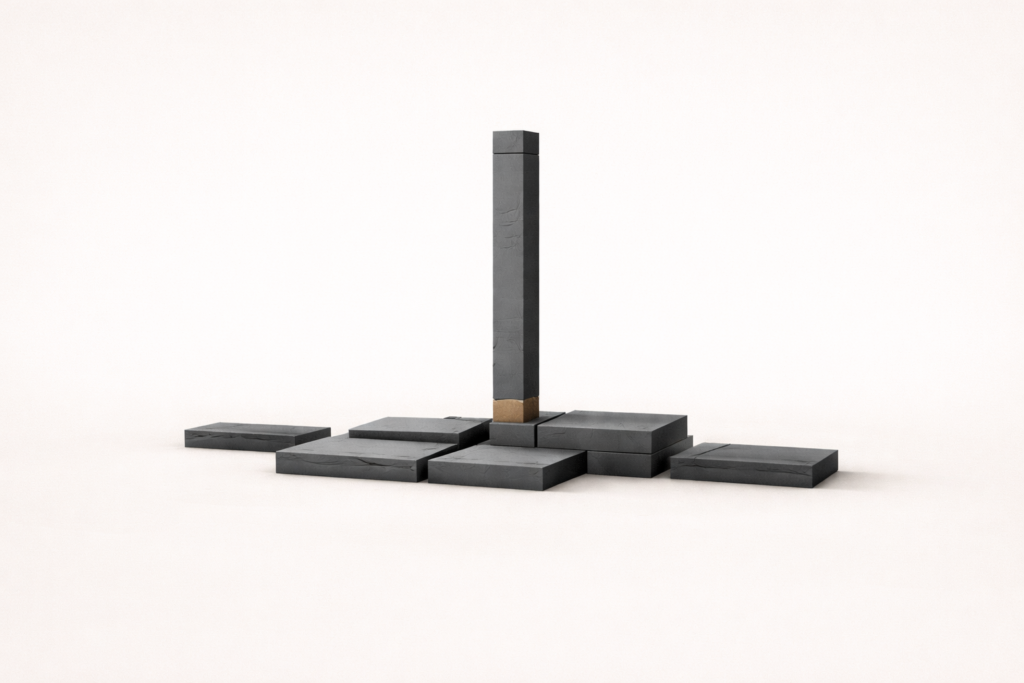
Why Individual Success Cannot Replace Institutional Strength
Individual success cannot replace institutional strength. Individual success and institutional strength are often confused. Exceptional outcomes can hide weak systems, […]
Money is not just income. It is structure, timing, and the systems that keep pressure from
turning into panic. Economy & Ownership is where financial discipline, cashflow design,
and asset strategy come together so that households and builders can move with intention
instead of reacting in crisis.
This category is about ownership as infrastructure: bank accounts,
skills, systems, and agreements that protect your time and attention. The focus is on
cashflow, risk, and repeatable habits that turn work into margin, margin into options,
and options into long-term stability.
Individual success cannot replace institutional strength. Individual success and institutional strength are often confused. Exceptional outcomes can hide weak systems, […]
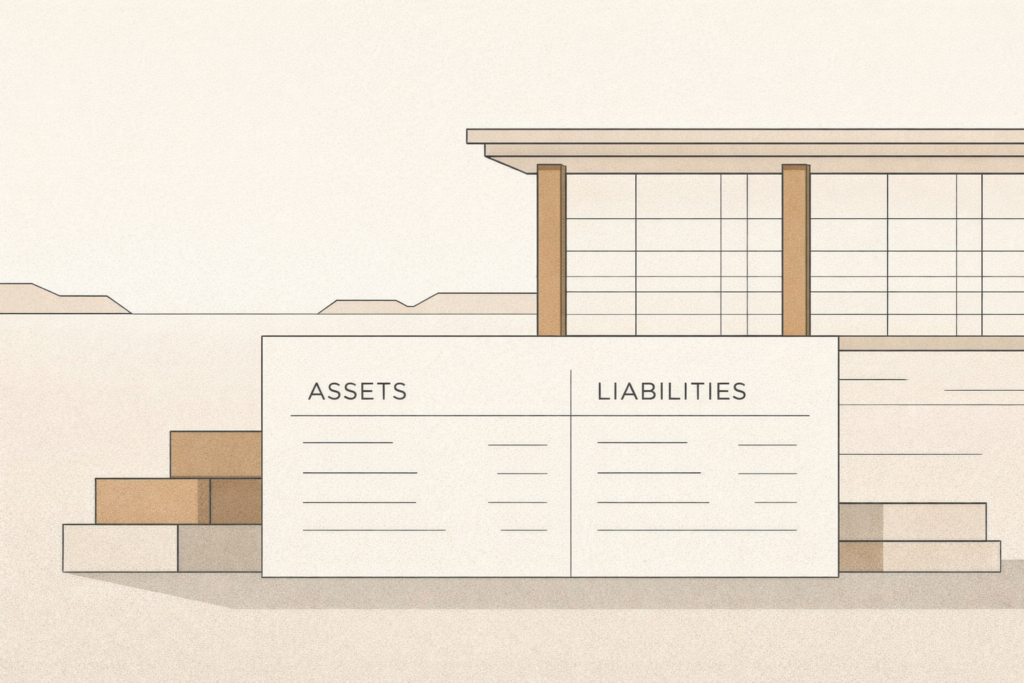
Self-sufficiency is not a mindset or a slogan. It is measurable. If the numbers do not work, the belief does not matter.
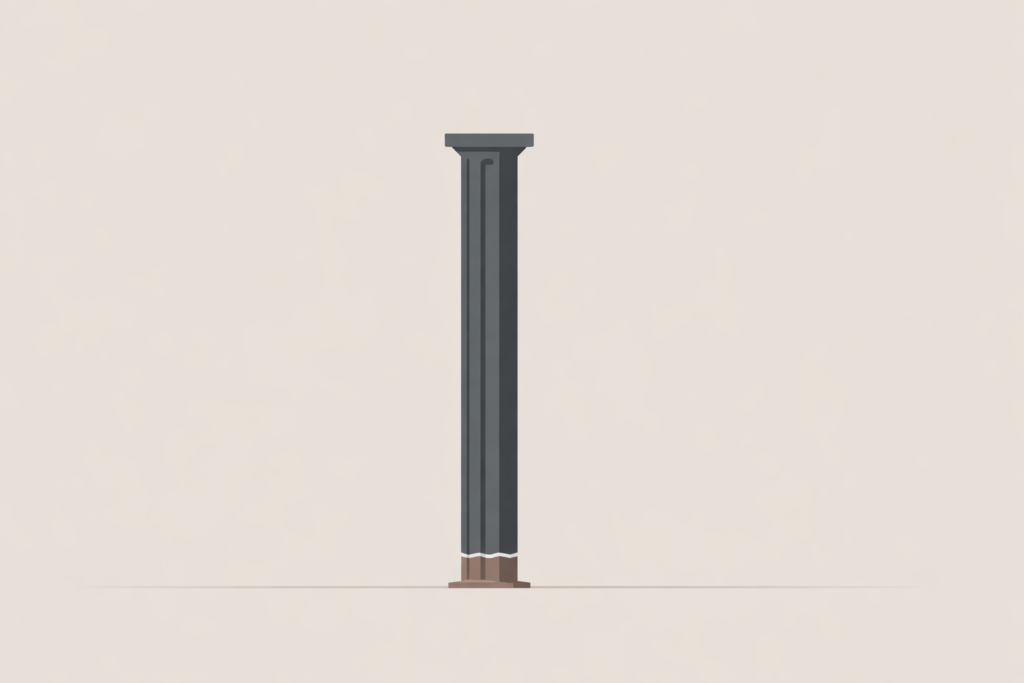
When work keeps its demands but loses its meaning, instability follows. This essay examines how role without reward erodes identity, discipline, and long-term economic trust.

Selective enforcement erodes legitimacy faster than broken rules. When standards apply differently depending on status or influence, trust weakens and predictability disappears. Institutions remain stable only when enforcement consistently reinforces declared values.
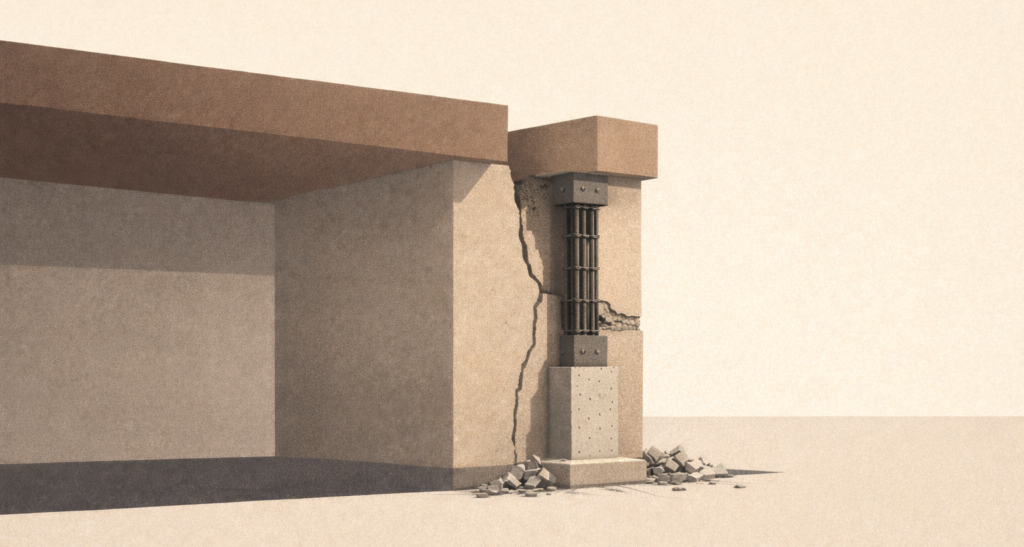
Who pays to fix what broke after power shifts costs and defers responsibility. When systems finally require repair, accountability becomes visible and payment concentrates where leverage is weakest.
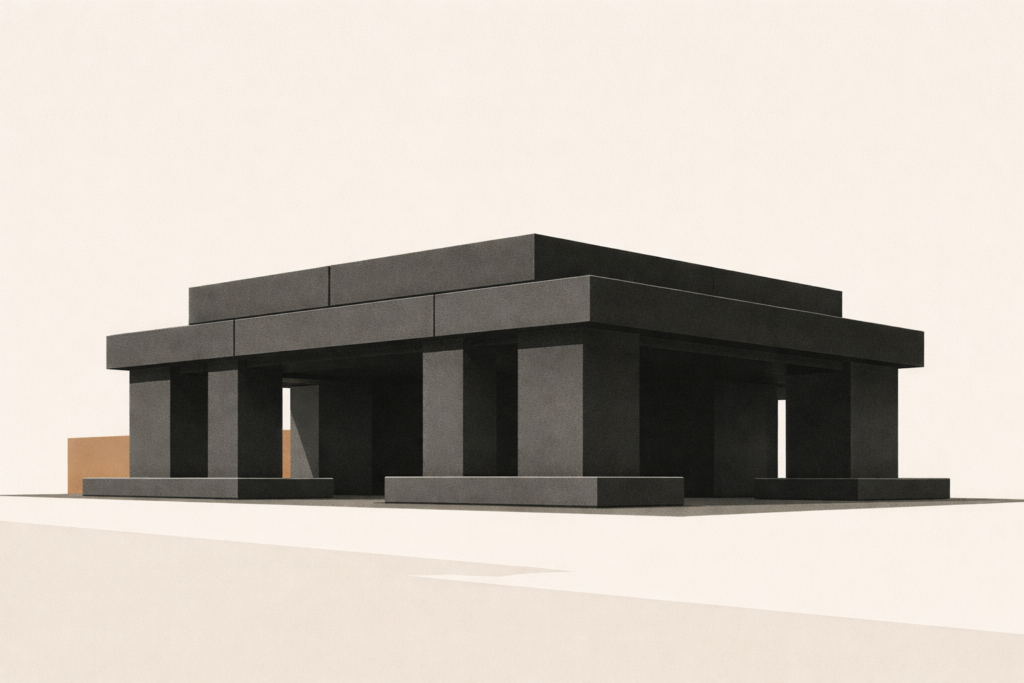
Discipline is what gives effort weight. Over time, consistency creates gravity — the kind that steadies decisions, earns trust, and holds ambition in place.
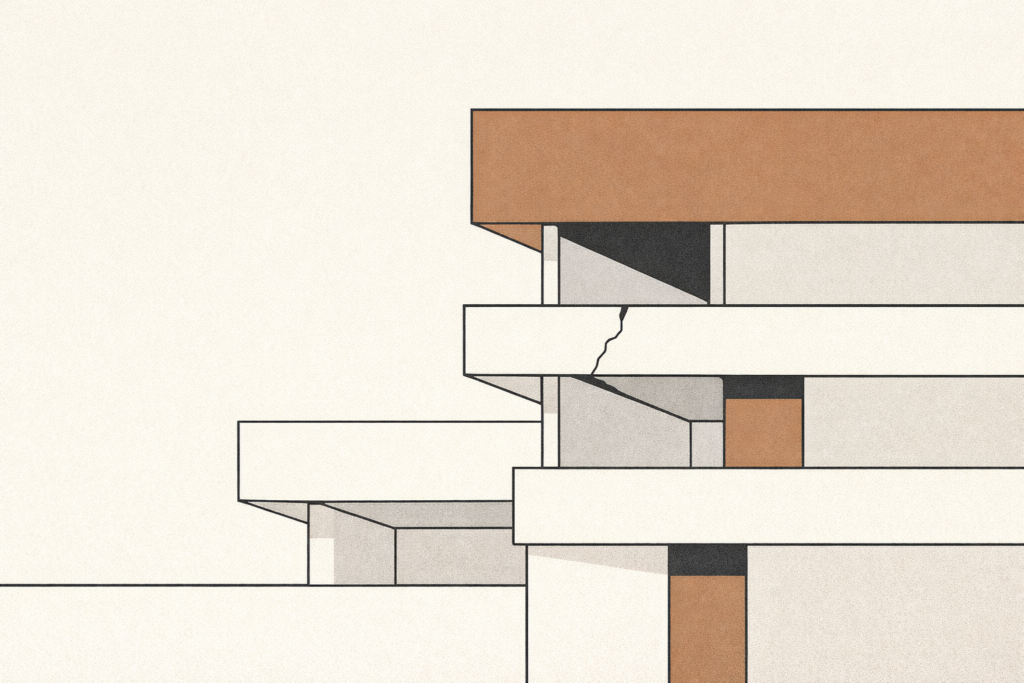
Deferred maintenance is not a budgeting mistake. It is a risk transfer strategy that rewards delay, hides true costs, and pushes consequences into the future. Over time, that quiet deferral becomes a moral hazard—one where institutions benefit now while the public pays later.

Financial structure and discipline turn income into options. Freedom collapses without order to hold it. Today’s angle: build the system
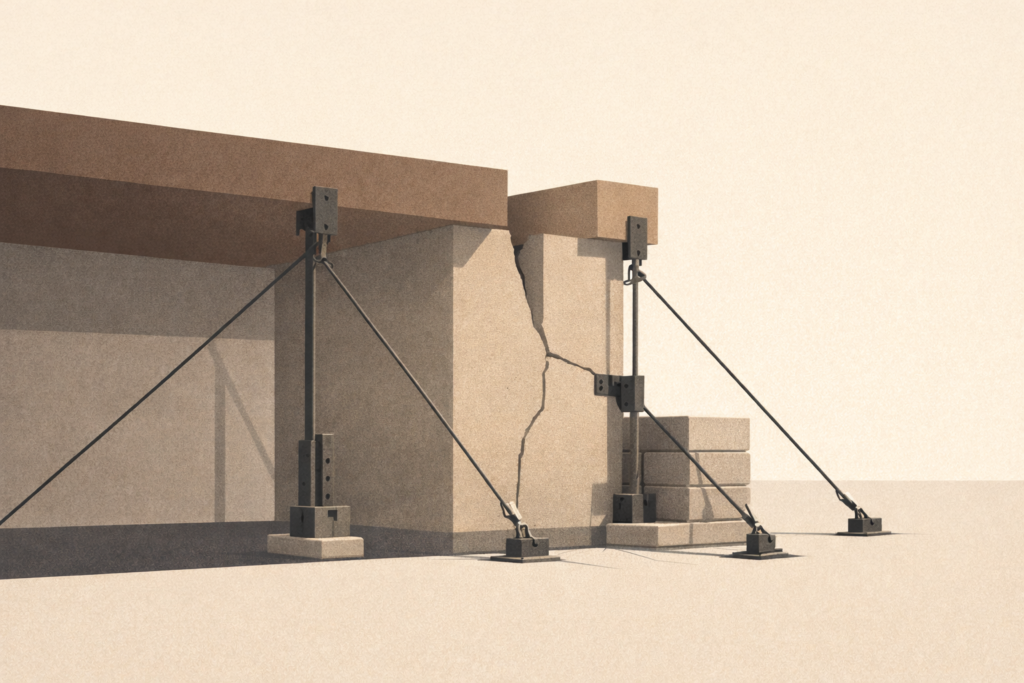
The price of stability is often higher than repair. This post explains why people defend broken systems even when the cost keeps rising.
Organizations publish values. Systems reward behavior. When incentives contradict declared principles, cultural drift begins. Trust erodes quietly as people study what is rewarded rather than what is preached. Long-term stability depends on structural alignment between values and incentives.
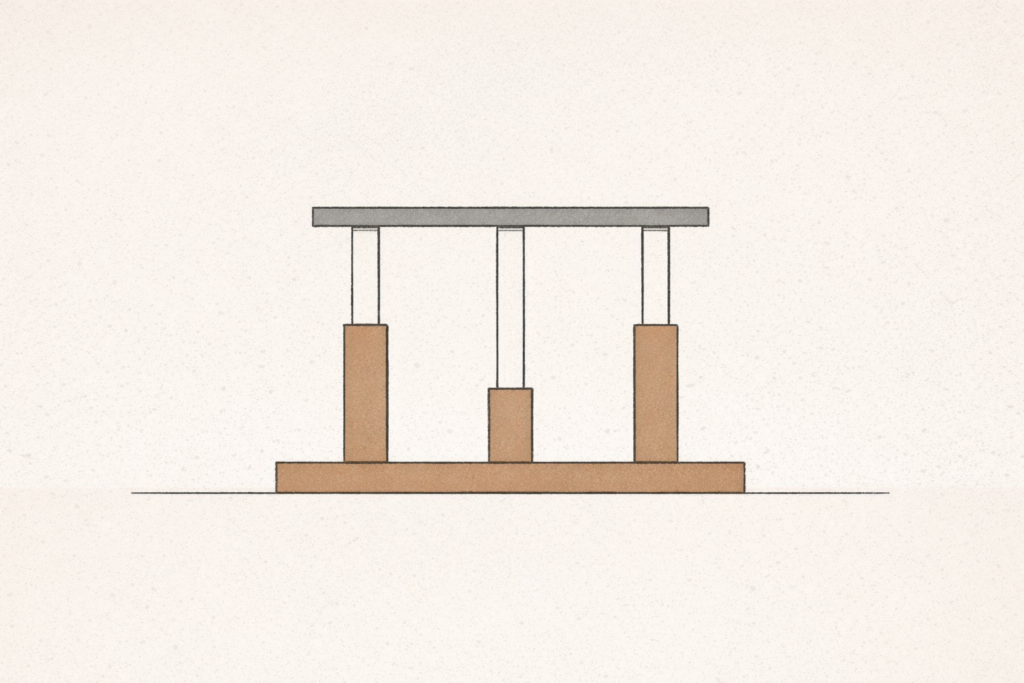
Solvency is not about wealth. It is about responsibility. When obligations exceed capacity, the cost is transferred to others.

Hustle culture creates fragile institutions by prioritizing urgency over structure. Speed can launch a mission, but without governance, controls, and repeatable systems, effort turns into instability instead of durability.