

Men Don’t “Check Out.” They Reallocate Energy.
Men disengaging from relationships is rarely sudden or emotional. It is often a rational response to broken incentives, lost peace, and failed feedback loops.
Family is not just biology. It is structure, agreements, and the daily behaviors that hold a
household steady. Family, Gender & Relationships looks at how people build rhythm, stability,
and emotional order in environments that are often unpredictable.
This category explores how people build trusted roles, set healthy boundaries, and protect
the emotional and financial stability that strengthens every generation. The focus is on
practical frameworks for partnership, parenting, and repair.
Men disengaging from relationships is rarely sudden or emotional. It is often a rational response to broken incentives, lost peace, and failed feedback loops.

From an early age, men are taught what they are supposed to give: provision, protection, patience, and performance. What they are rarely taught is what they are allowed to require in return. This imbalance shapes relationships where effort is expected but care is optional.
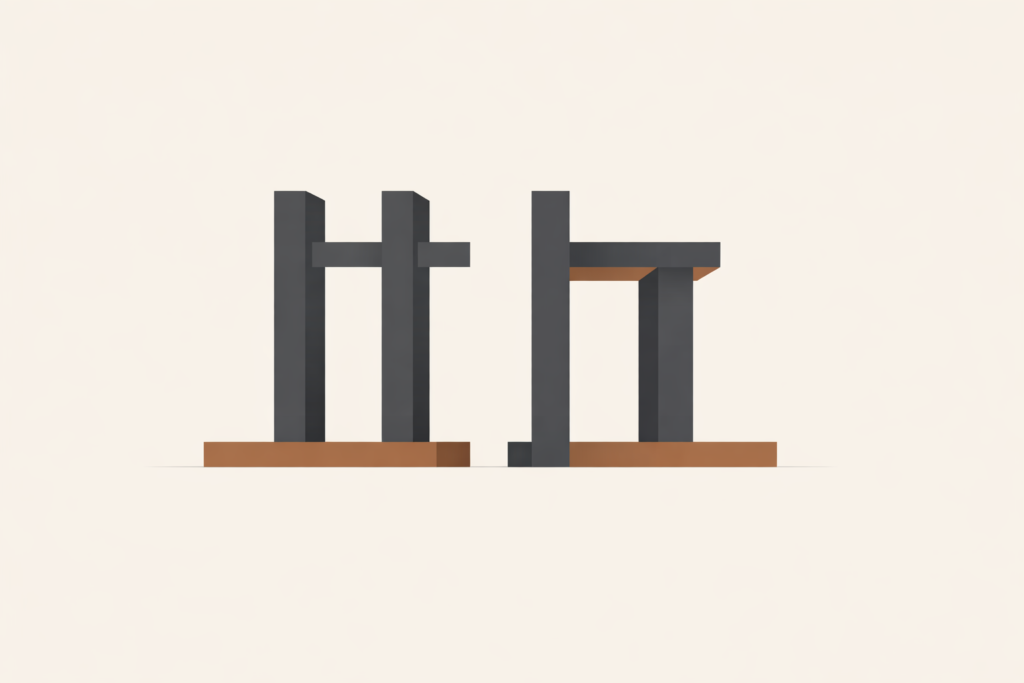
Pair bonding science emphasizes attachment through behavior, choice, and consistency, highlighting the importance of stability over chemistry in relationships.

THE FOUNDATION · THE ACCOUNTABILITY FRAMEWORK · POST THREE Clear standards create safety. Vague expectations create stories, tension, and quiet

When relationships collapse under pressure, the issue is rarely character. It is undeclared expectations, weak structure, and missing contracts revealed by stress.

Courtship did not disappear because people stopped caring. It collapsed because expectations rose while structure remained undefined. When clarity is avoided, participation declines.

Clarity often gets mistaken for control. But definition does not restrict healthy relationships. It exposes them. When expectations are named, effort becomes visible and ambiguity loses its power to protect avoidance.

Modern relationship conflict is not emotional failure. It is structural confusion—where equal value is mistaken for identical function and responsibility goes undefined.
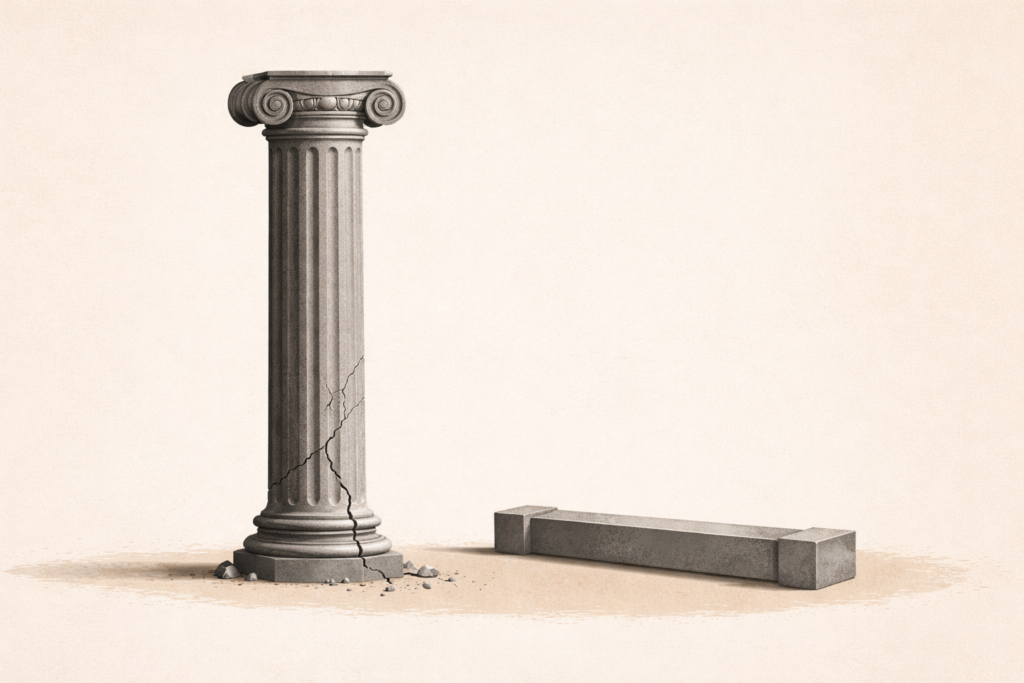
Strength is not the ability to endure anything without complaint. It is the ability to recognize when persistence becomes self-sabotage. Many relationships fail not because people lack strength, but because they mistake stubbornness for virtue and endurance for loyalty.

Most relationship conflict is not rooted in emotion, trauma, or communication. It starts earlier, at the level of definition. When people refuse to name what something is, boundaries erode, expectations drift, and confusion becomes the operating system. Clarity is not cruelty. It is structure.

Custody and parental authority are not feelings. They are legal structures that define who can decide, who must answer, and where new partners must stay supportive without overstepping.
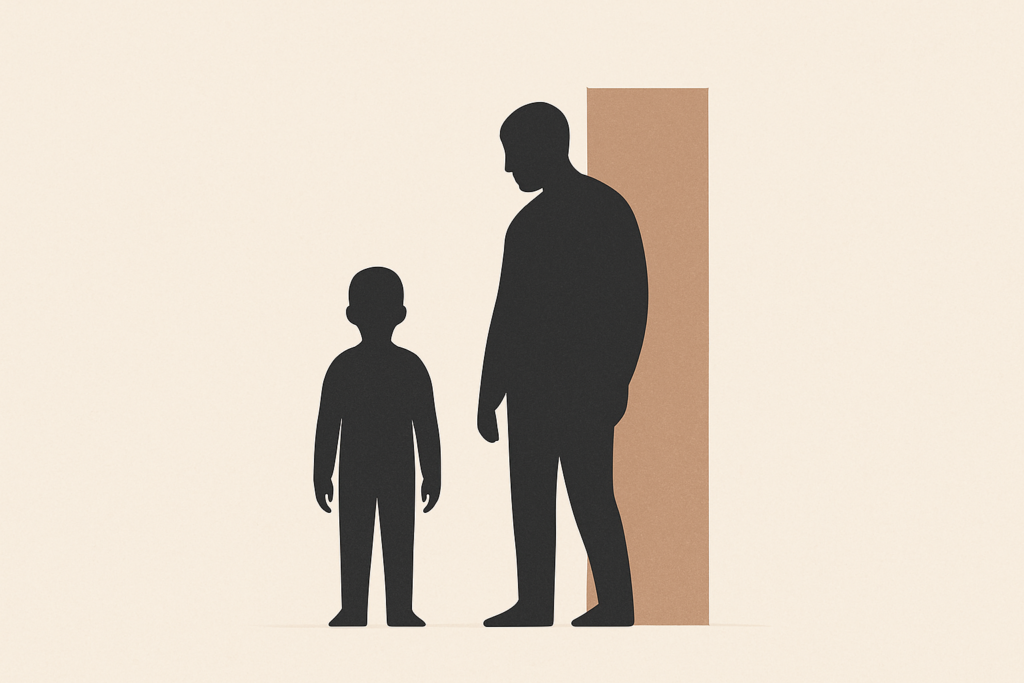
Stillness is not absence. In blended families, it is disciplined presence. This reflection explores how new partners can support children with restraint, clarity, and respect for existing bonds.