The migration systems framework explains migration as a structured sequence, not a single event. Movement does not begin at the border. It begins where systems stop holding stability and pressure starts to build.
Most public discussions isolate one part of migration. Some focus on policy. Others focus on morality. Still others focus on enforcement. That approach fails because it treats outcomes as causes. Migration is not one problem. It is a system.
What Is the Migration Systems Framework?
The migration systems framework organizes movement into four connected layers. Each layer shapes the next. When these layers align, systems stabilize. When they misalign, movement increases and strain spreads.
- Economic Pressure: instability pushes movement
- Policy Pathways: systems signal direction
- Institutional Capacity: systems absorb or strain
- Narrative Distortion: public understanding breaks down
This sequence explains why migration appears sudden but is rarely random.
—How Migration Systems Actually Work
Migration follows structure, not slogans. When economic conditions weaken, pressure builds inside local systems. People respond by seeking stability elsewhere. However, they do not move blindly. They follow pathways shaped by policy design.
Once movement reaches receiving systems, institutional capacity determines the outcome. If systems can absorb the load, stability increases. If they cannot, strain spreads across housing, labor, and governance.
After that, narrative takes over. Public debate shifts from structure to symbolism. As a result, the system becomes harder to understand and even harder to fix.
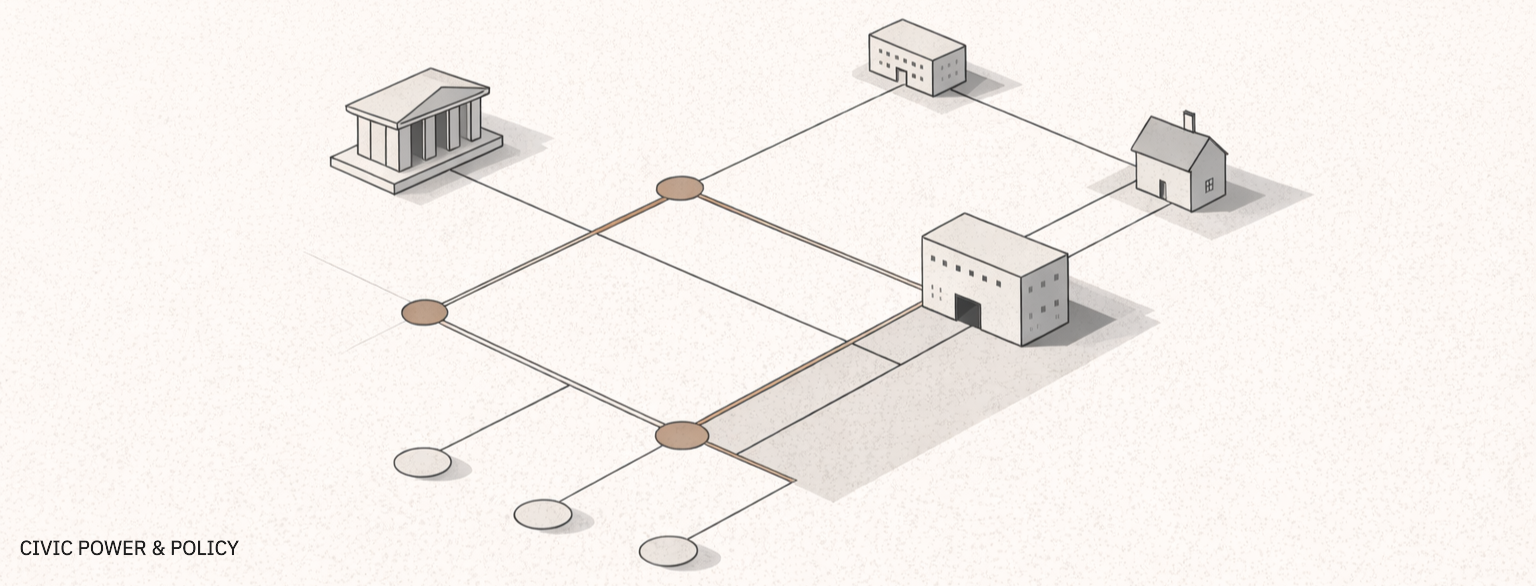
—Migration Systems Framework Diagram
This diagram illustrates how migration operates as a connected system. Pressure accumulates. Pathways form. Capacity constrains. Narrative distorts. Each layer influences the next.
—Explore Each Layer of the Migration System
Economic Pressure Drives Migration Flow
Read the full analysis
Explains how instability builds inside systems and triggers movement.
Policy Design Signals Migration Pathways
Read the full analysis
Shows how systems shape direction through incentives and structure.
Institutional Capacity Limits Migration Absorption
Read the full analysis
Examines how systems absorb or fail under pressure.
Migration Narratives Obscure System Reality
Read the full analysis
Explains how public understanding disconnects from system behavior.
Why Most Migration Debates Fail
Most debates fail because they isolate one layer and ignore the rest. Some focus only on policy. Others focus only on morality. Still others focus only on enforcement. However, none of these approaches explain the full system.
Without a systems view, solutions remain partial. Pressure continues. Pathways remain active. Capacity stays strained. Narrative continues to distort reality.
—The Groundwork
The migration systems framework does not simplify migration. It clarifies it. Pressure creates urgency. Policy creates direction. Capacity determines stability. Narrative shapes perception.
When these layers align, systems hold. When they do not, movement increases and strain spreads.
—