Community System Collapse: When Contributors Stop Showing Up
Systems do not collapse when participation declines. They collapse when the people carrying them finally stop.
When responsibility concentrates on the same people, the system does not just weaken. It begins to extract from those still holding it together.
Belonging is not given. It is maintained. The moment people benefit without contributing, the system begins to weaken from within.
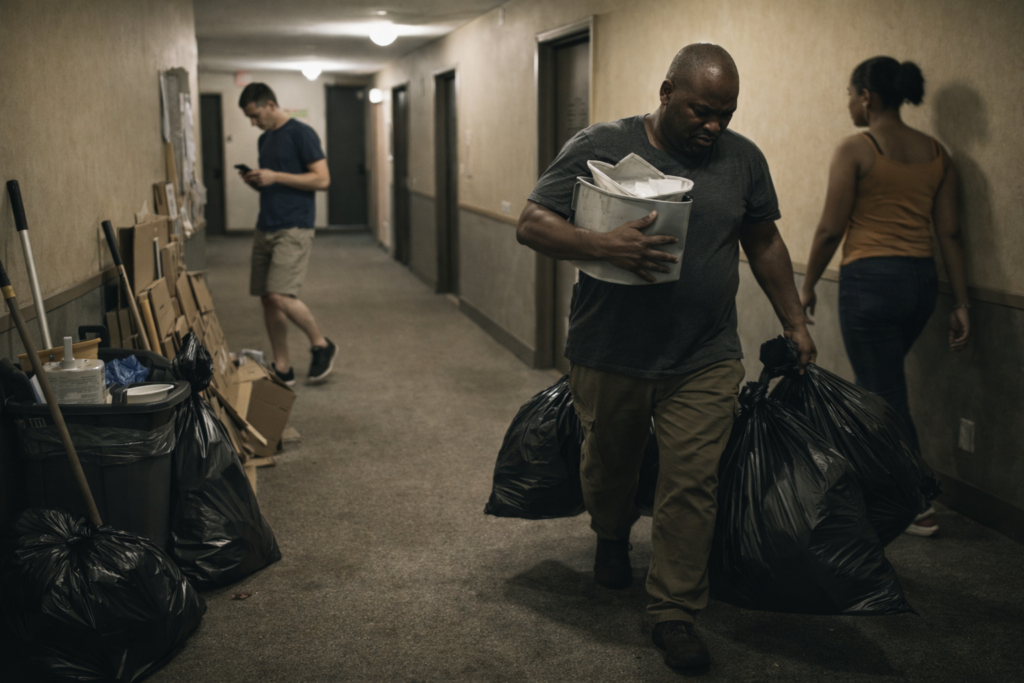
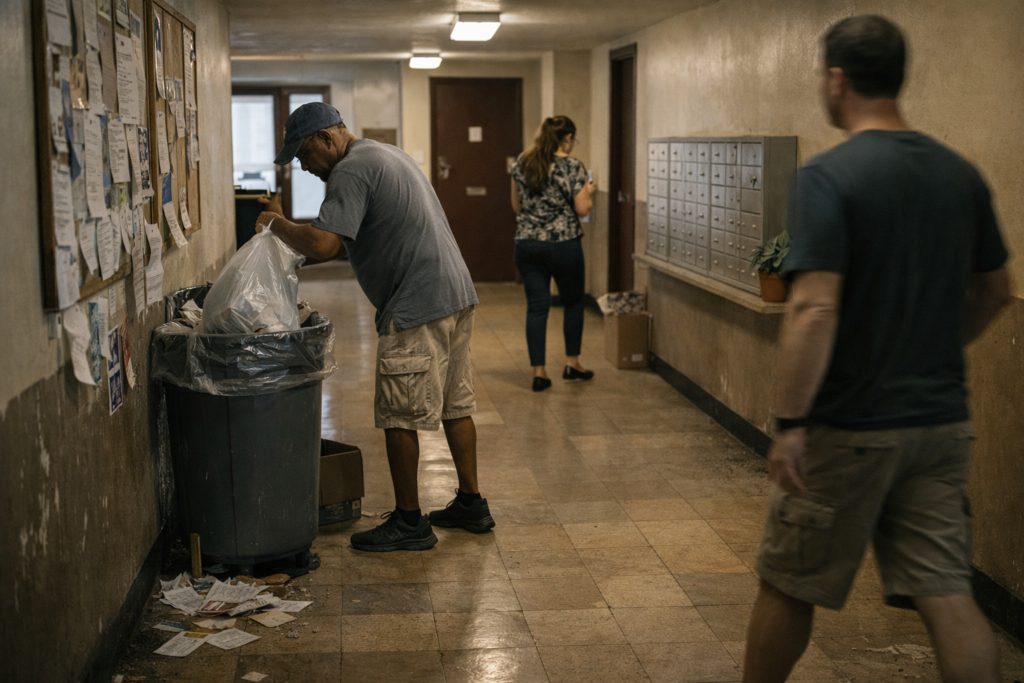
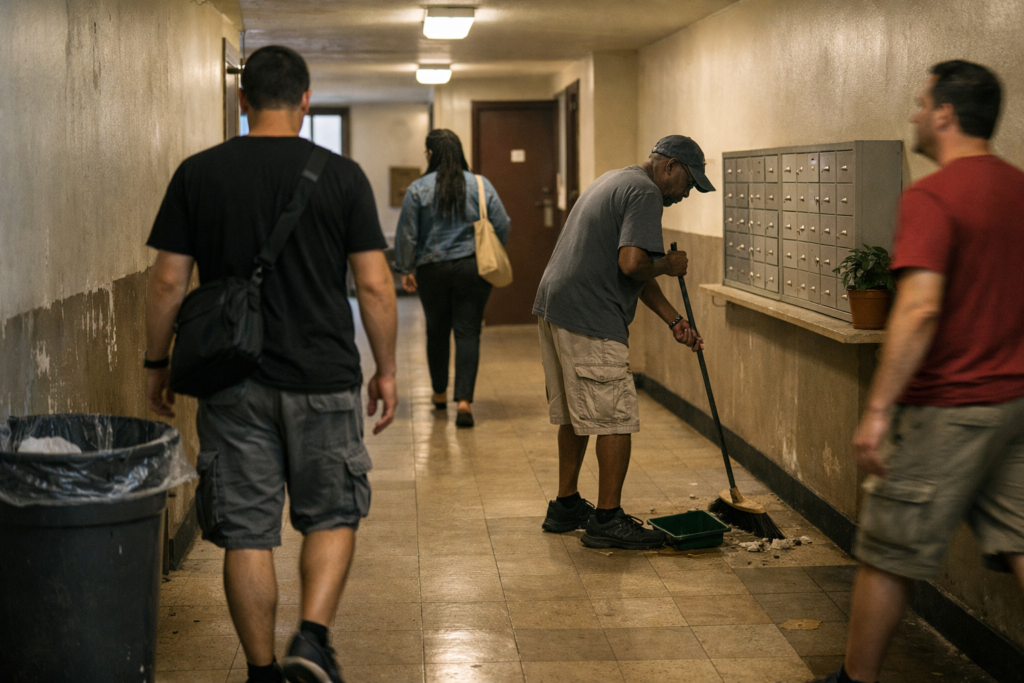
One person maintains the space. Everyone else uses it.
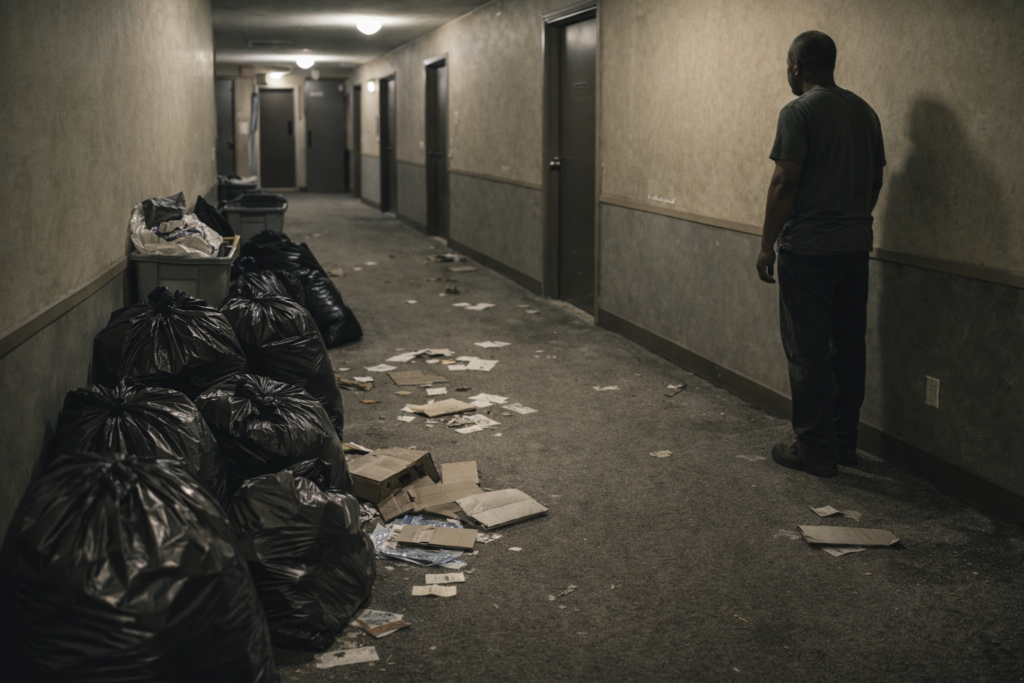
The hallway tells the truth quietly—order exists, but only where someone chooses to carry it.
The rest is drift. Not failure by accident, but neglect by design.
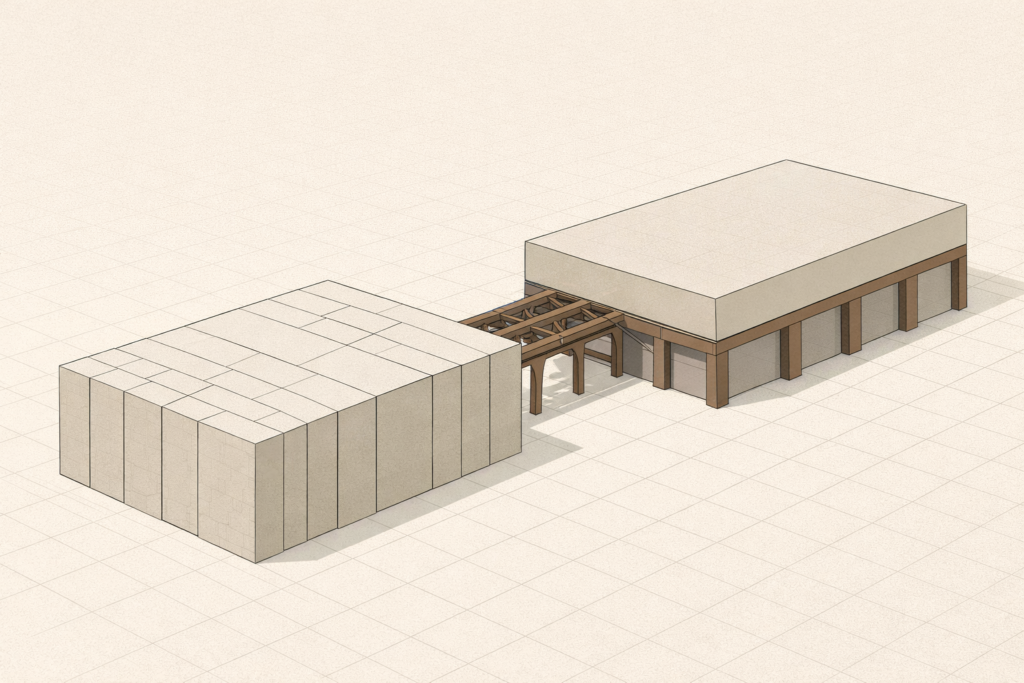
Community reentry programs succeed or fail based on block-level infrastructure. Housing stability, transit alignment, employer coordination, and supervision logistics determine whether workforce reintegration becomes durable or temporary.
Block logic enforcement protects shared standards when quiet correction fails. Without predictable consequence, community order becomes optional.
Small neglect becomes culture when left alone. Block logic teaches proportional, local correction before drift turns into identity.
Block logic community order erodes quietly when small neglect goes unaddressed. Disorder becomes normal not through crisis, but through repeated silence.
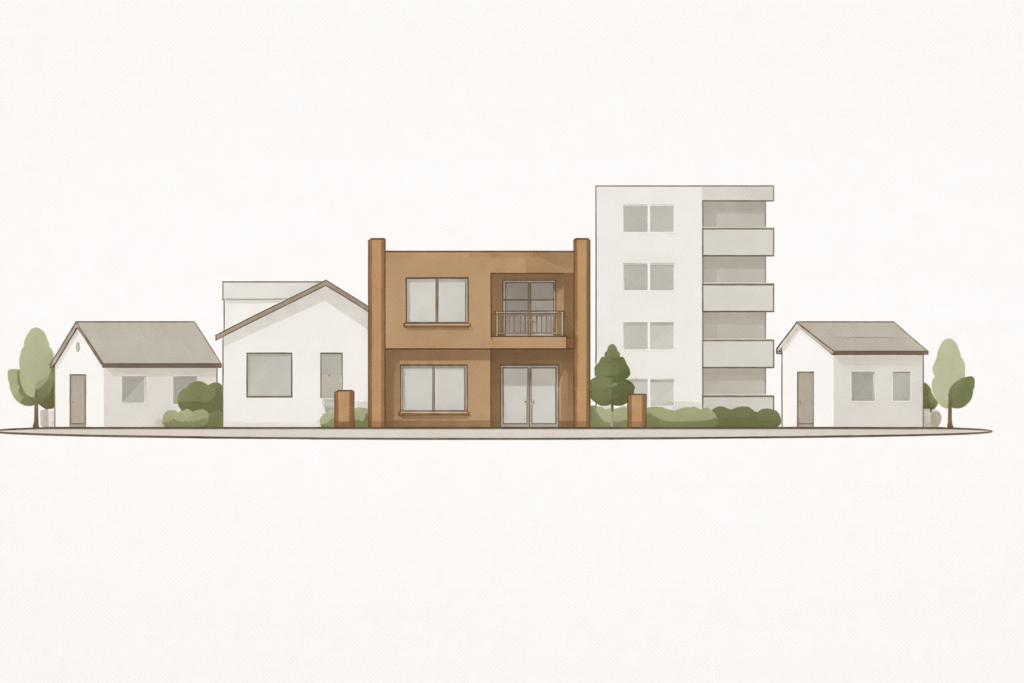
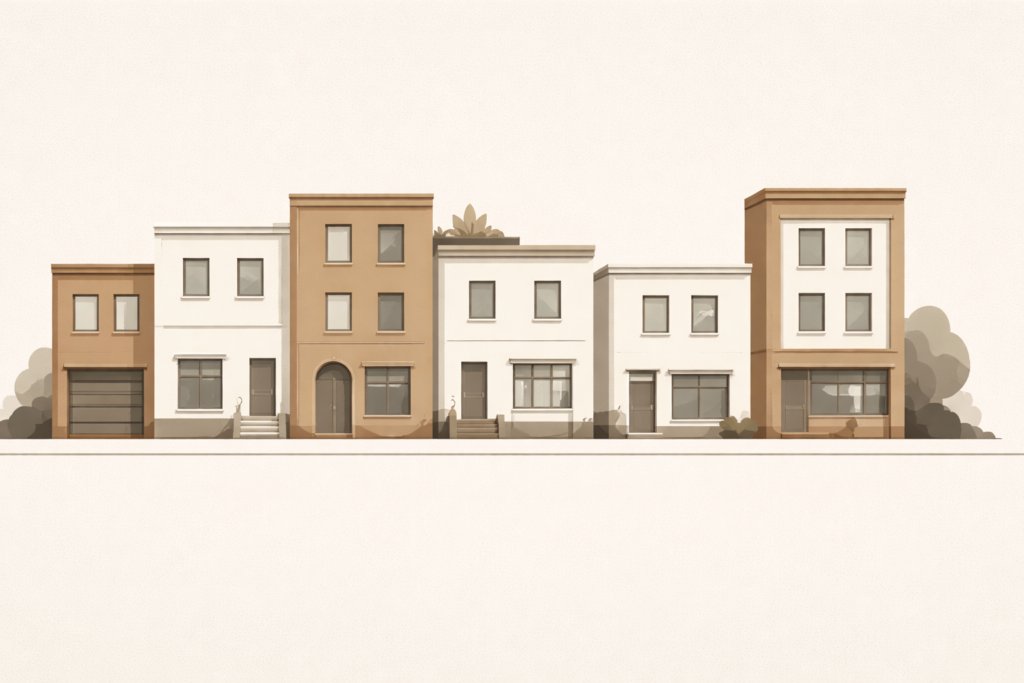
Block logic community order begins at the smallest unit of stability: the block. Shared standards, clear correction, and predictable routines turn neighborhood safety into something repeatable rather than aspirational.