The Free Rider Problem Is Not Theory. It Is Practice
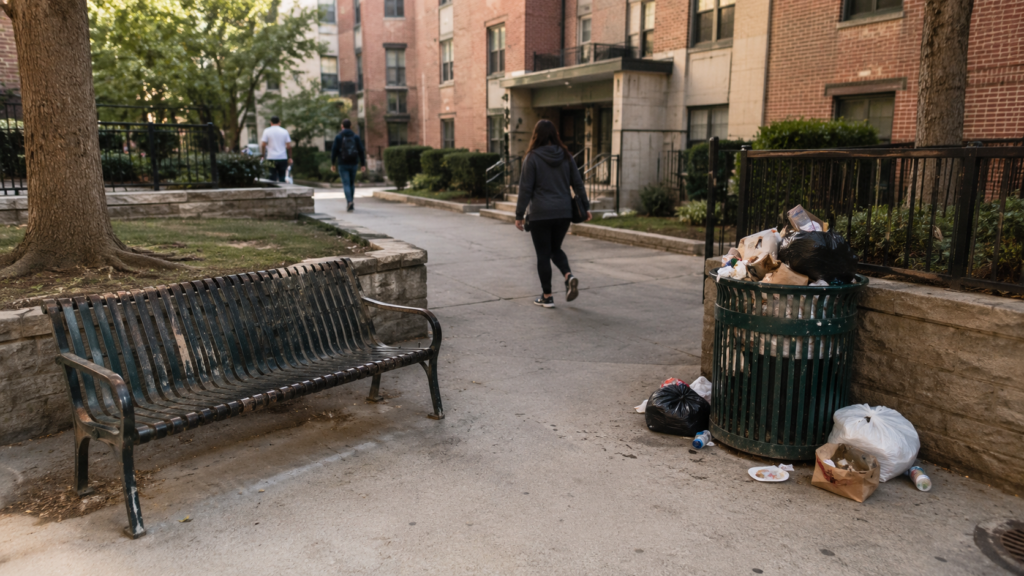
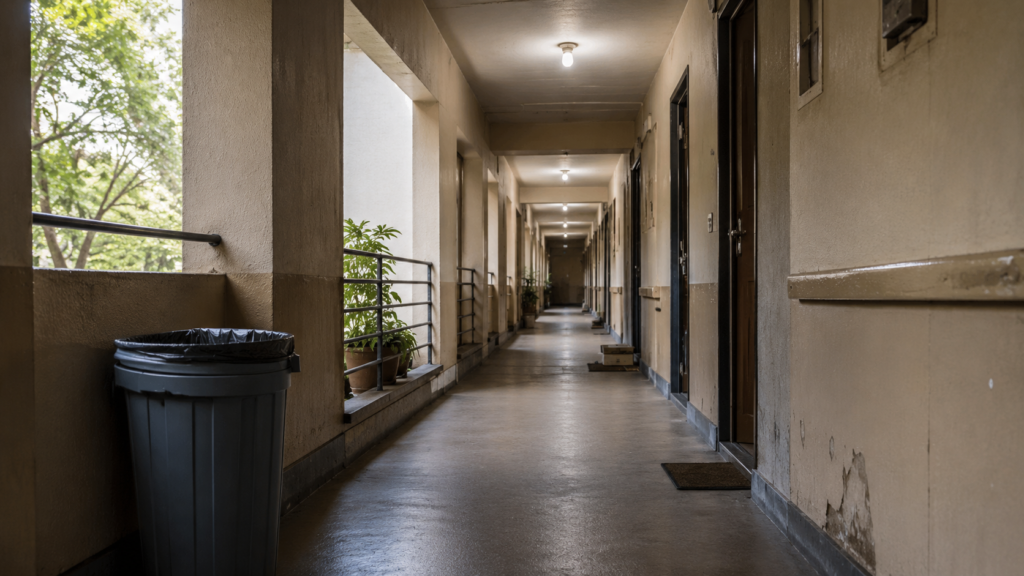
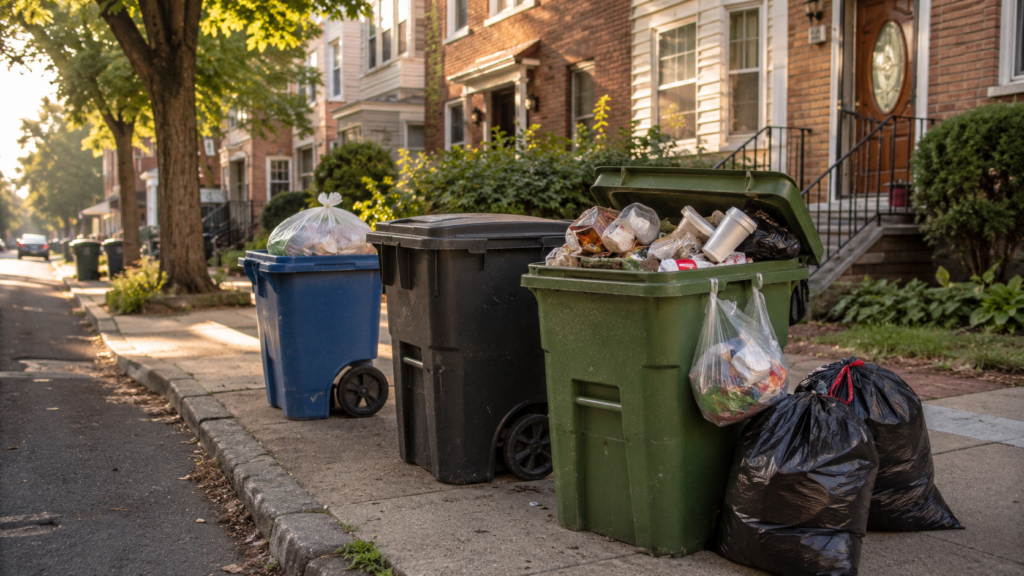
The free rider problem is not theory. It is a daily pattern where some contribute while others benefit, and the system slowly absorbs the imbalance.
Shared systems do not fail from lack of care. They fail when contribution becomes optional and extraction goes unchecked.
Ethnic identity and coalition politics shape modern democracy. Communities must decide whether to prioritize boundary clarity or build durable institutions that can convert shared interests into lasting civic power.
Community stability does not emerge from slogans. It grows from shared standards, neighborhood trust, and civic reciprocity. This piece explores how local order and mutual responsibility create durable social infrastructure.
Institutions rarely fail from crisis. They decay when maintenance is neglected. The quiet work determines whether systems endure or erode.
Workforce success after incarceration does not begin with a résumé. It begins with block-level infrastructure. Reintegration succeeds when neighborhoods provide structure, trust networks, and economic on-ramps that stabilize behavior before opportunity arrives.
The house remembers what you care for and what you postpone. The ecology of discipline shows how your daily choices shape order, clarity, and generational stability.
Inheritance begins in the kitchen. The ecology of discipline takes shape through small routines that teach order, rhythm, and the structure families carry forward.
The discipline of leaving things better begins at home. The ecology of discipline shows how quiet, consistent improvements build order, stability, and environmental care.
The ecology of discipline reveals how your trash has a family tree. Each waste pattern begins with daily habits and the structure of your routine.
Environmental discipline starts with daily habits inside the home. Every choice you make with resources, waste, and order shapes the environment your family will inherit. Small actions build long-term stability and create an ecological legacy that grows with every generation.