
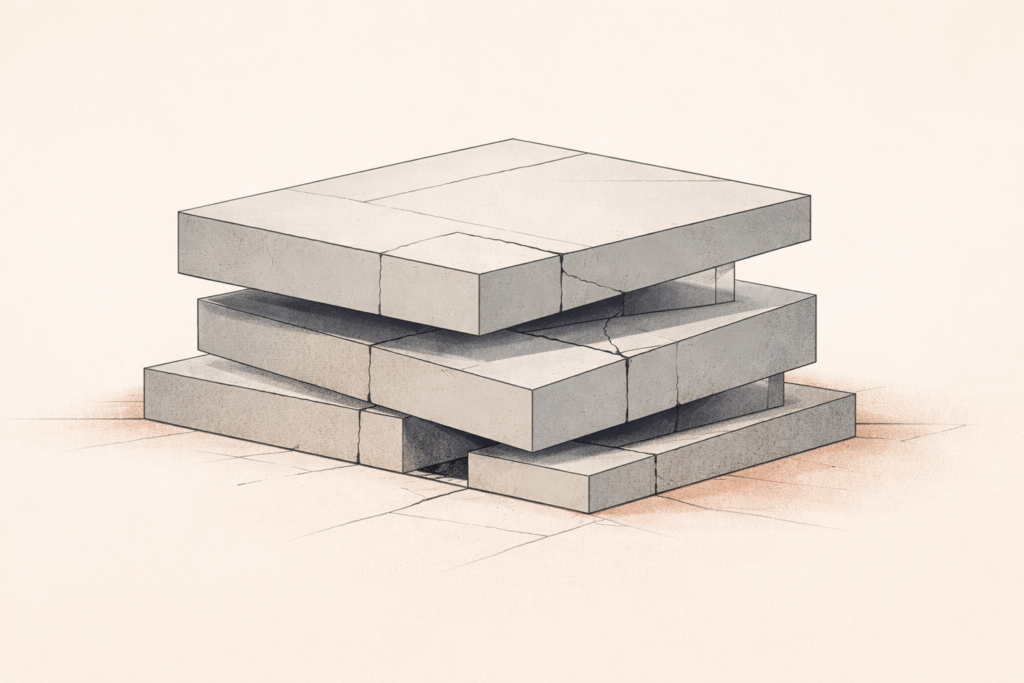
When the Order Breaks
Most breakdowns do not happen all at once. They begin when learning is rushed, earning is inflated, or returning is postponed. Over time, skipped phases strain the structure beneath a life that still appears intact.
Most breakdowns do not happen all at once. They begin when learning is rushed, earning is inflated, or returning is postponed. Over time, skipped phases strain the structure beneath a life that still appears intact.
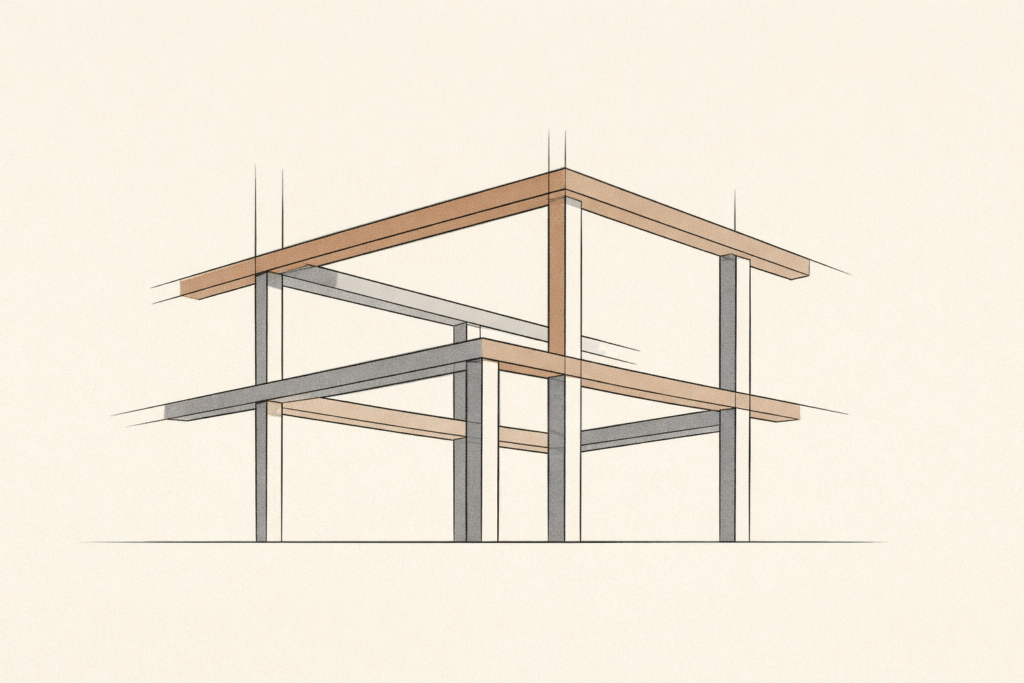
Calm is often mistaken for temperament. In reality, it is a skill developed through repetition, restraint, and internal order. Stillness is not something you are born with. It is something you practice.
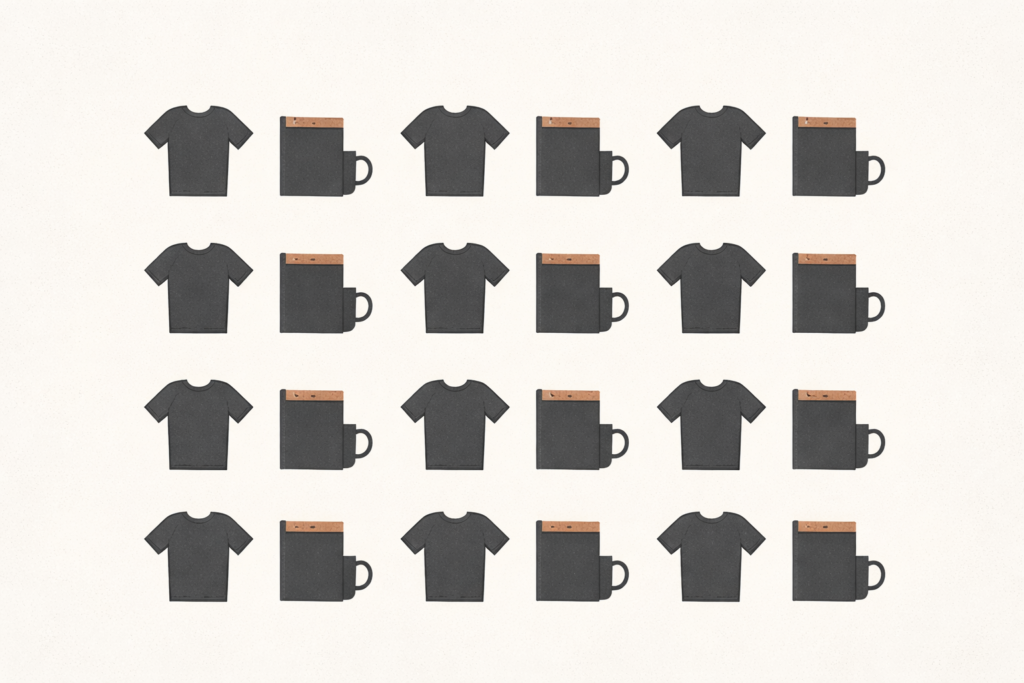
Structure weakens when every moment requires a decision. Today’s Blueprint focuses on reducing daily choices to preserve energy, deepen focus, and stabilize execution.

Virality does not disappear. Once the internet records you, the moment becomes a form of public record. Langston Reed explains how visibility turns permanent.

Automation without accountability turns efficiency into authority. When systems decide without ownership, responsibility quietly disappears.

Democracies struggle with financial restraint not because voters are irrational, but because political incentives reward immediacy over patience. This entry explains why rules erode under pressure.
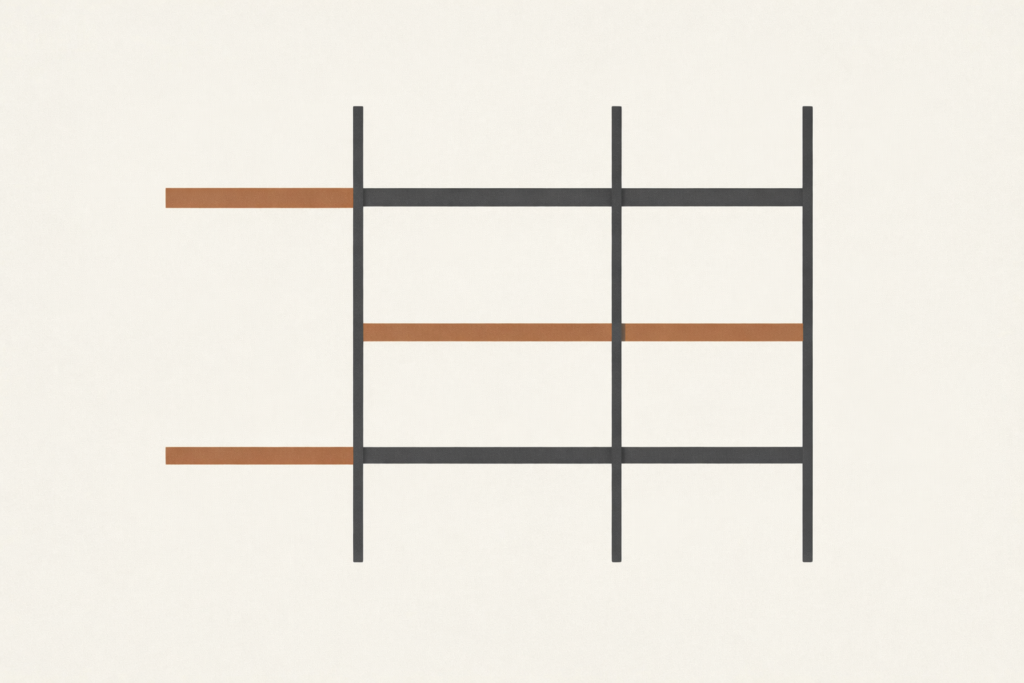
Structure fails when time stays flexible. Today’s Blueprint focuses on locking daily hours to contain distraction, reduce decisions, and stabilize execution.
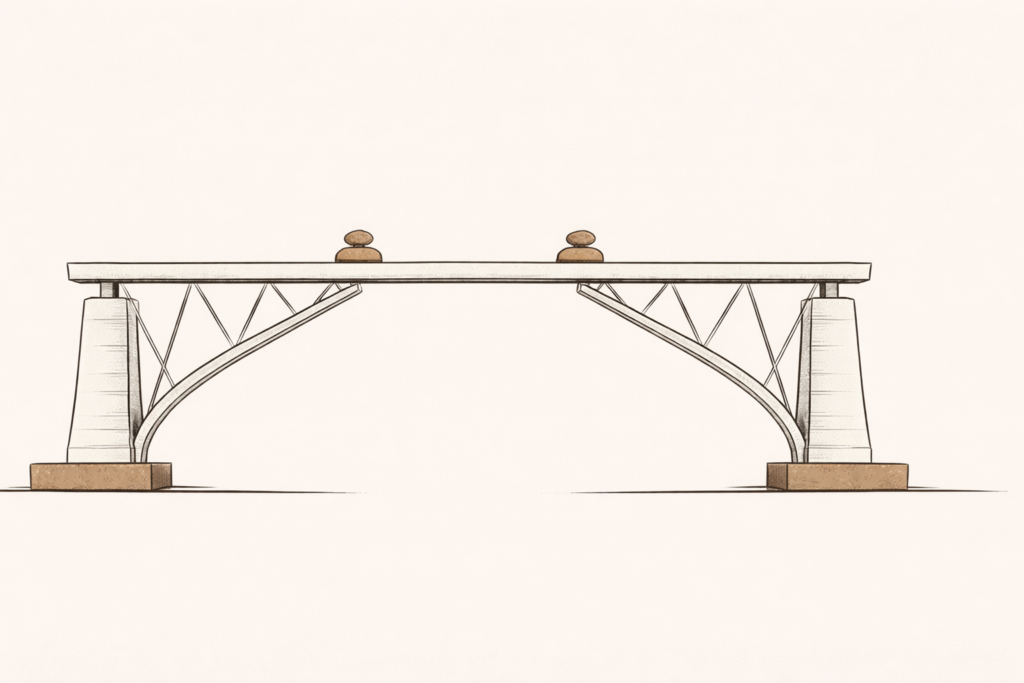
Reciprocity is the missing relationship skill because attraction starts connection, but shared responsibility sustains it. Without mutual contribution, relationships collapse under uneven load.

Organizations publish values. Systems reward behavior. When incentives contradict declared principles, cultural drift begins. Trust erodes quietly as people study what is rewarded rather than what is preached. Long-term stability depends on structural alignment between values and incentives.
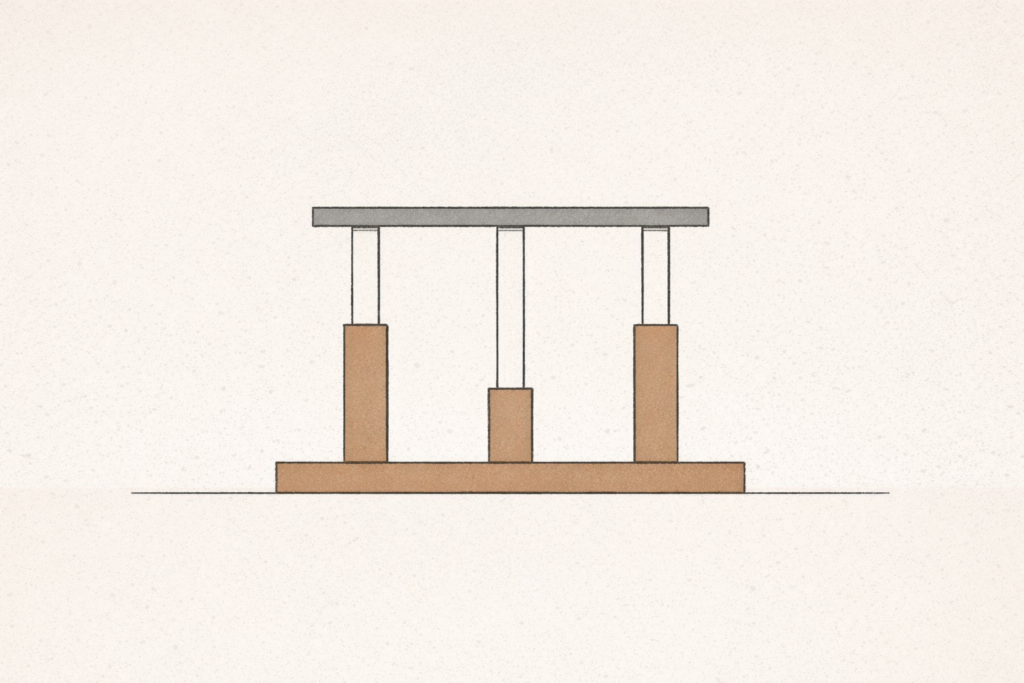
Solvency is not about wealth. It is about responsibility. When obligations exceed capacity, the cost is transferred to others.

Hustle culture creates fragile institutions by prioritizing urgency over structure. Speed can launch a mission, but without governance, controls, and repeatable systems, effort turns into instability instead of durability.
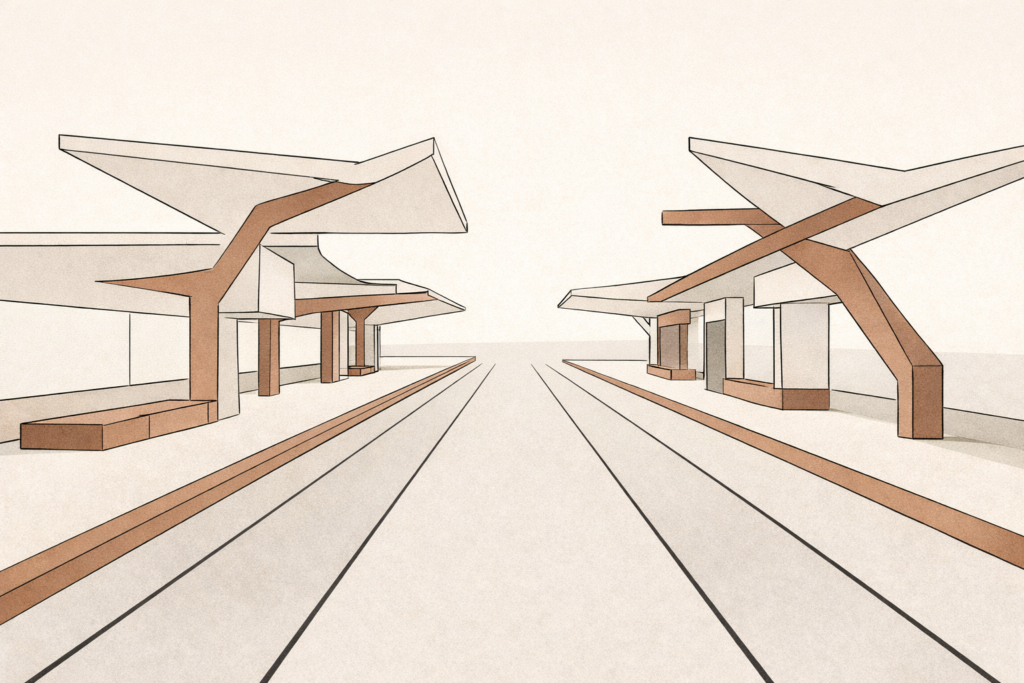
When infrastructure is treated like entertainment, systems decay quietly and costs compound publicly. What looks like progress today often becomes a liability tomorrow.