

Community System Collapse: When Contributors Stop Showing Up
Systems do not collapse when participation declines. They collapse when the people carrying them finally stop.

Systems do not collapse when participation declines. They collapse when the people carrying them finally stop.

When responsibility concentrates on the same people, the system does not just weaken. It begins to extract from those still holding it together.
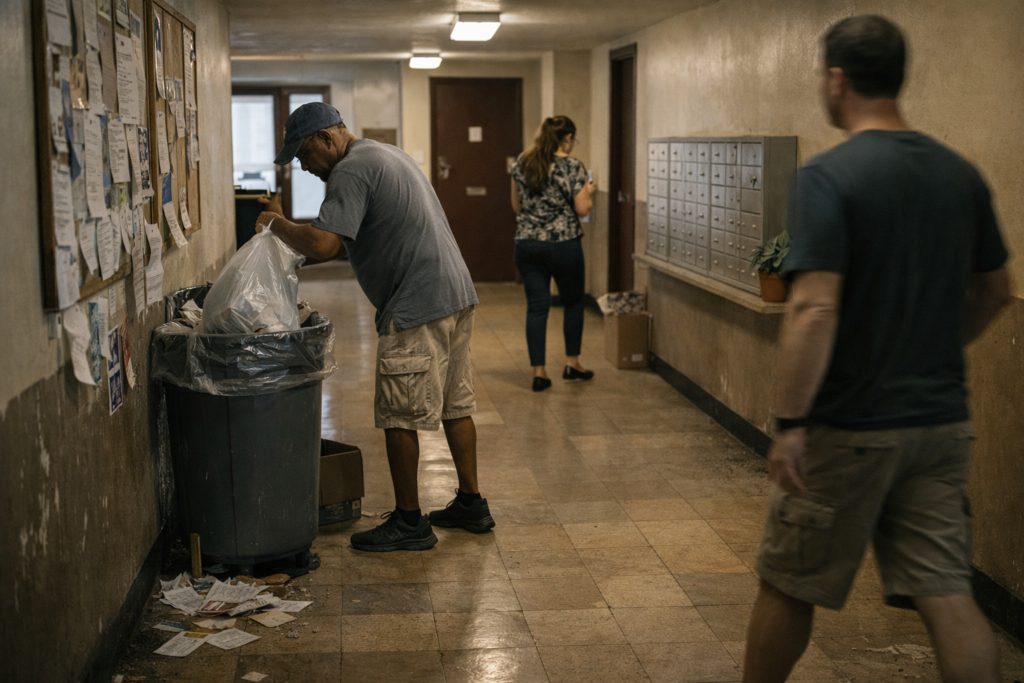
Belonging is not given. It is maintained. The moment people benefit without contributing, the system begins to weaken from within.
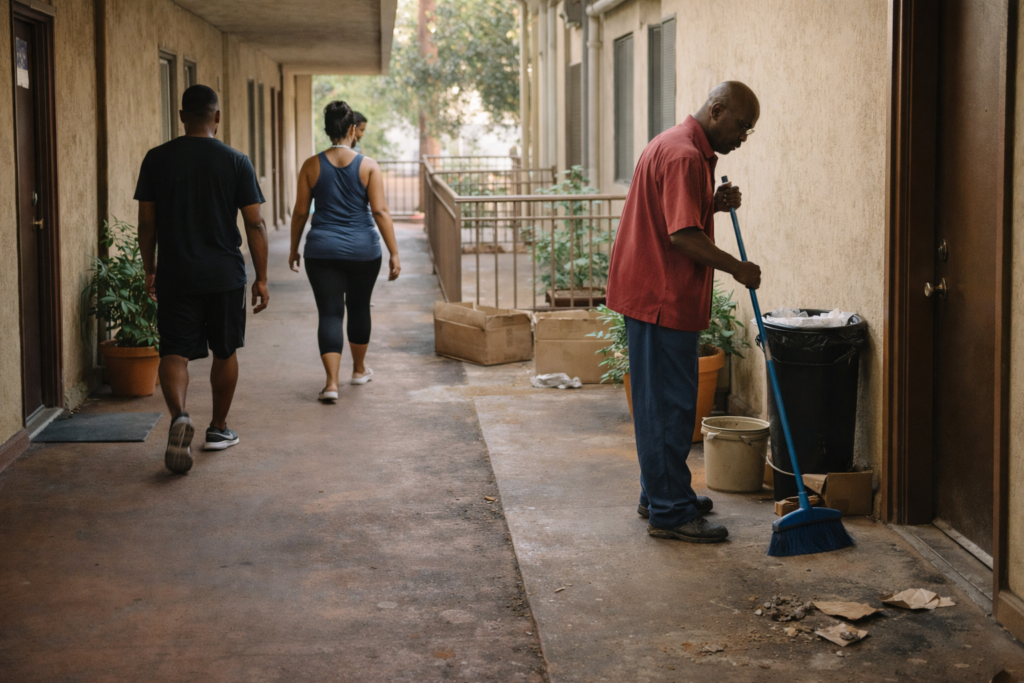
The free rider problem is not theory. It is a daily pattern where some contribute while others benefit, and the system slowly absorbs the imbalance.
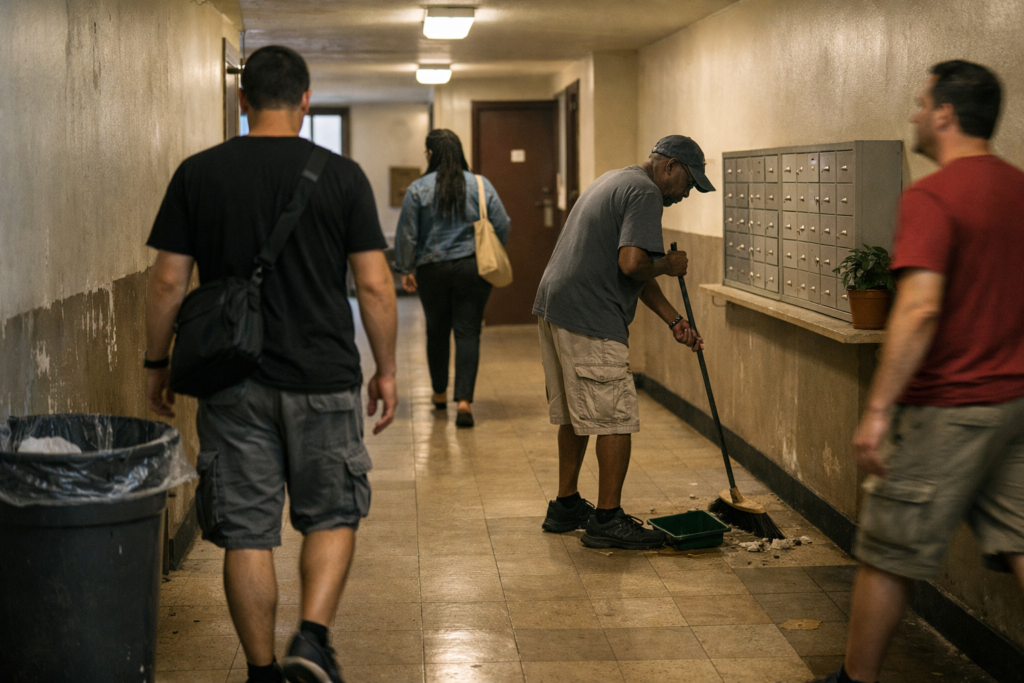
One person maintains the space. Everyone else uses it.
The hallway tells the truth quietly—order exists, but only where someone chooses to carry it.
The rest is drift. Not failure by accident, but neglect by design.

Shared systems do not fail from lack of care. They fail when contribution becomes optional and extraction goes unchecked.
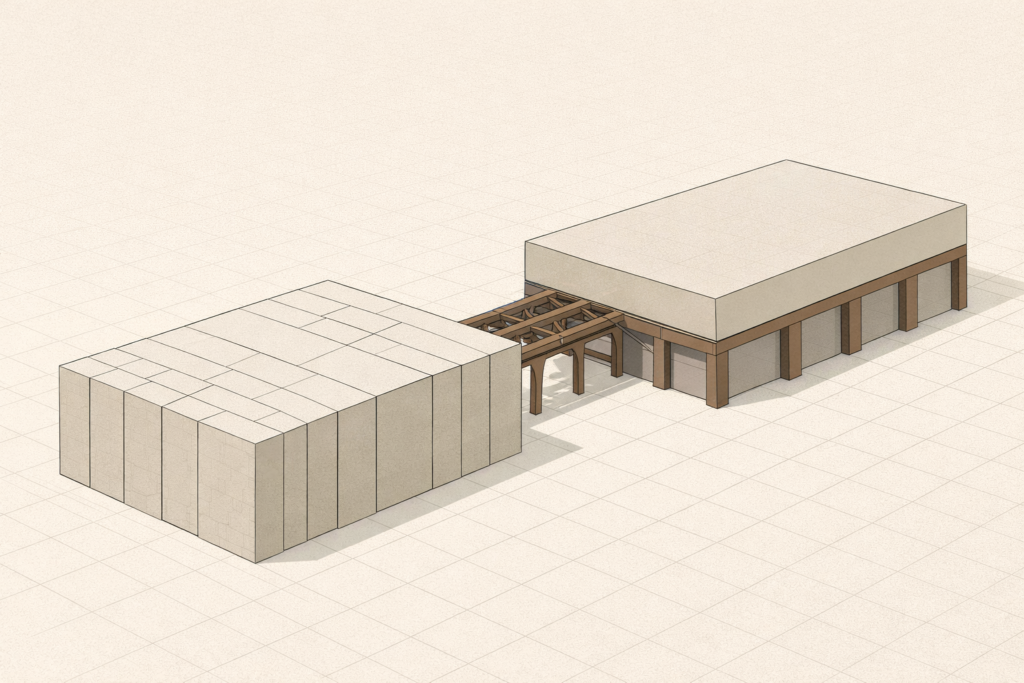
Ethnic identity and coalition politics shape modern democracy. Communities must decide whether to prioritize boundary clarity or build durable institutions that can convert shared interests into lasting civic power.
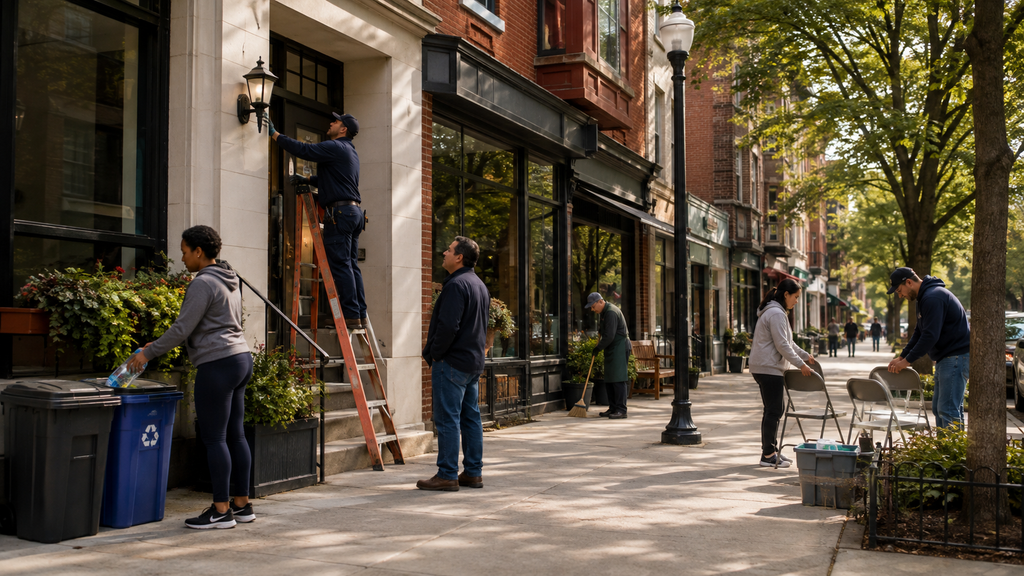
Community stability does not emerge from slogans. It grows from shared standards, neighborhood trust, and civic reciprocity. This piece explores how local order and mutual responsibility create durable social infrastructure.
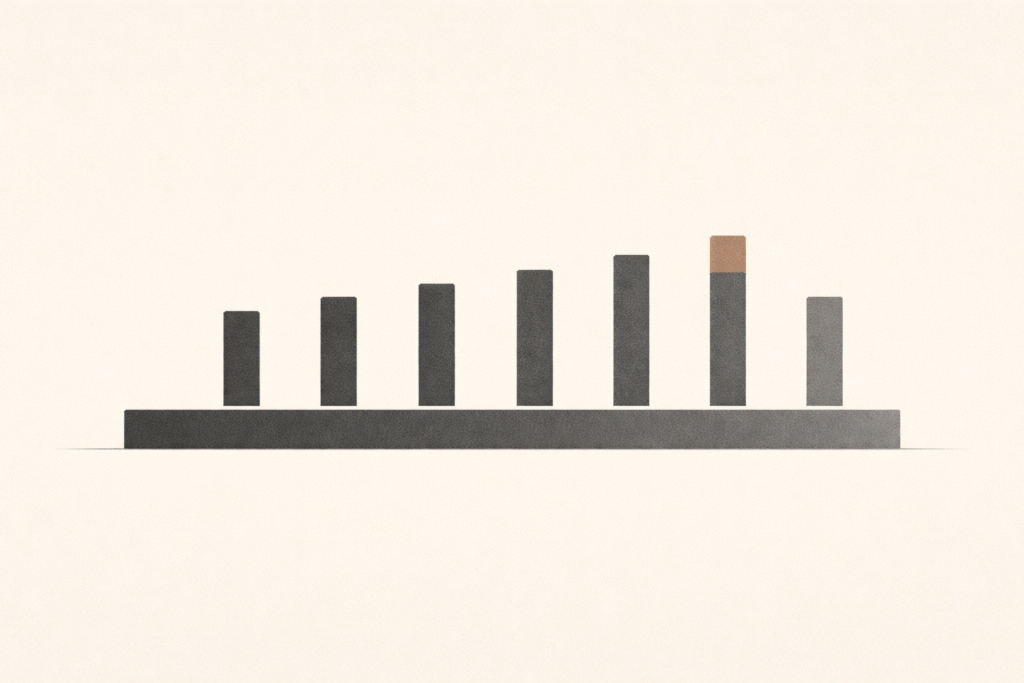
Institutions rarely fail from crisis. They decay when maintenance is neglected. The quiet work determines whether systems endure or erode.

Workforce success after incarceration does not begin with a résumé. It begins with block-level infrastructure. Reintegration succeeds when neighborhoods provide structure, trust networks, and economic on-ramps that stabilize behavior before opportunity arrives.

Community reentry programs succeed or fail based on block-level infrastructure. Housing stability, transit alignment, employer coordination, and supervision logistics determine whether workforce reintegration becomes durable or temporary.
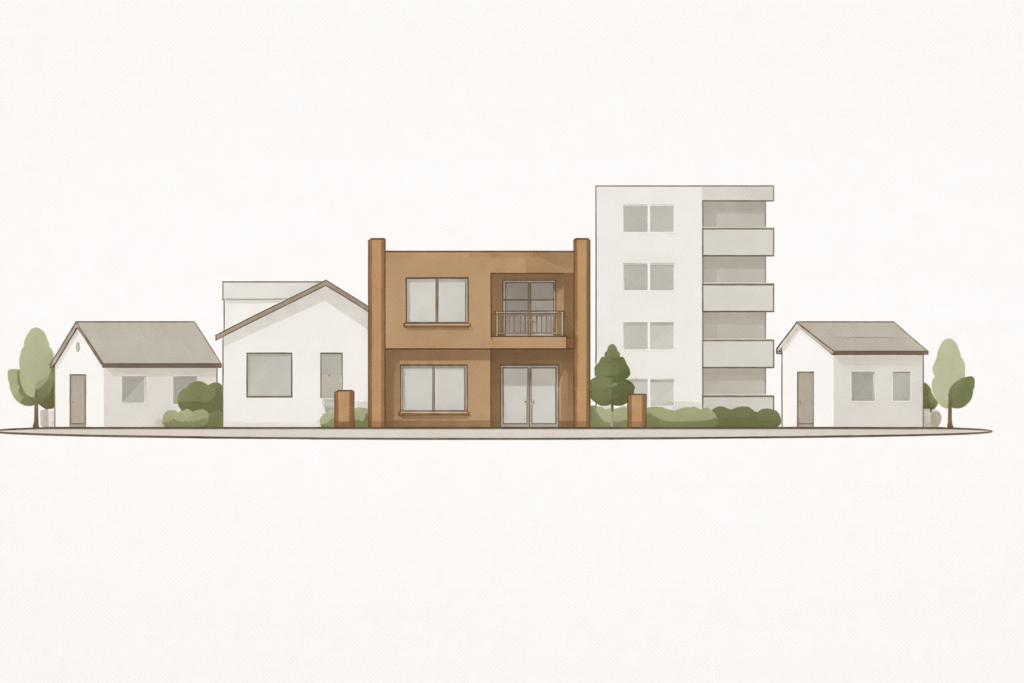
Block logic enforcement protects shared standards when quiet correction fails. Without predictable consequence, community order becomes optional.