
Groundwork Daily Builder · Stillness & Soul
Joseph E. Mercer builds reflective discipline around a simple idea: not everything that reaches you deserves to move you.
Most days arrive with more inputs than anyone can use well. Messages compete with obligations. Emotions compete with judgment. At the same time, urgency competes with direction.
More movement does not solve that problem. Instead, better selection creates room for clearer judgment.
Through Stillness Notes, Joseph explores attention, boundaries, discernment, rest, emotional clarity, and the quiet structures that make deliberate movement possible.
The goal is not withdrawal. Rather, the work asks what becomes possible when attention stops responding to everything equally.

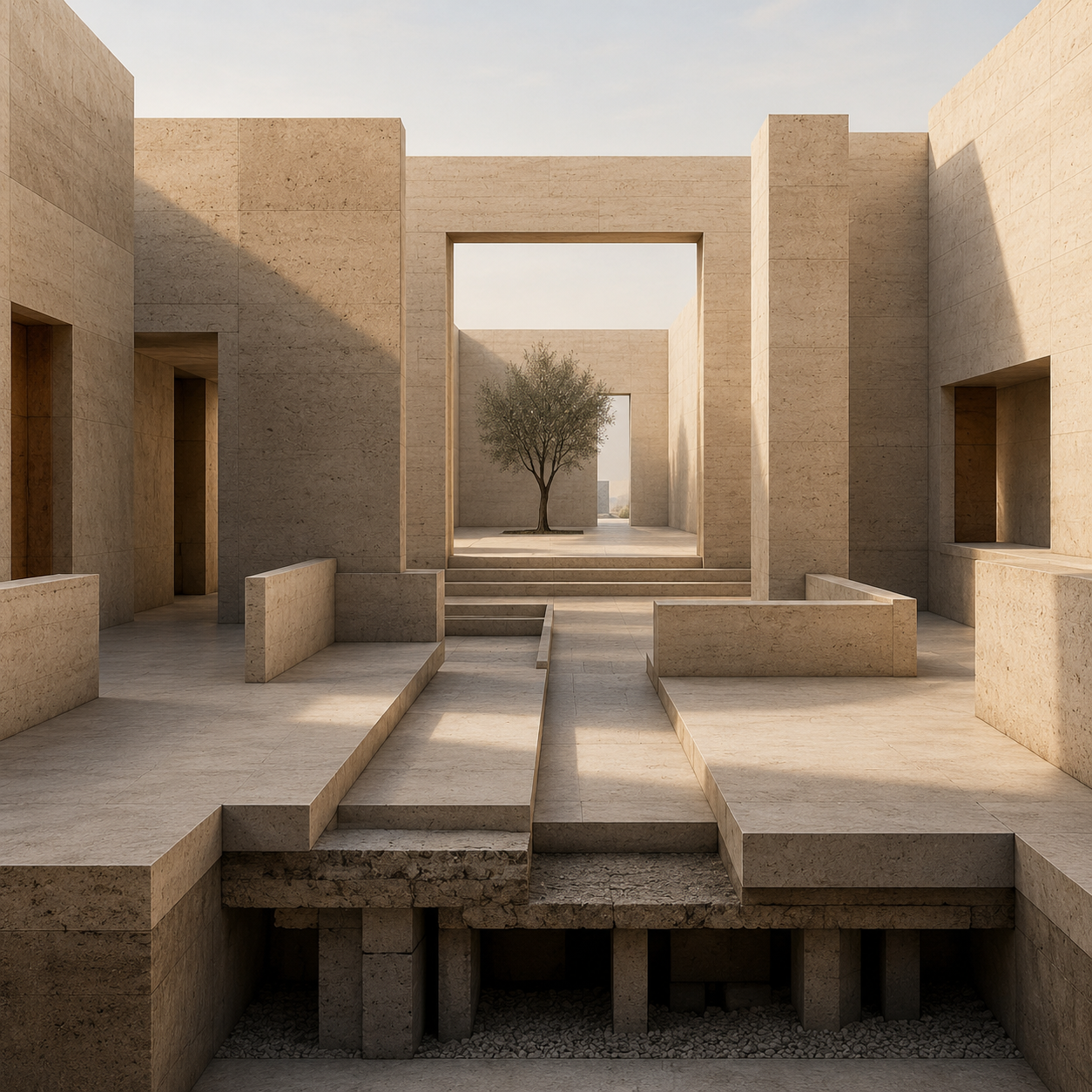
The Builder
Joseph E. Mercer Builds the Pause Before the Move
Joseph’s territory begins before action. Yet action remains part of the point.
A fast answer can still be wrong. Likewise, a strong feeling can still contain weak information. An urgent request may also feel important without deserving immediate access.
Reflective discipline creates another sequence. First, notice what is present. Next, separate signal from pressure. Then protect what needs space. Finally, move with greater clarity.
In Joseph’s groundwork, stillness is not the destination. It improves the conditions for the next move.
The Governing Question
What becomes clear when urgency stops deciding what deserves your attention?
Reflective Discipline
Joseph E. Mercer Treats Stillness as Structure
Stillness can easily become vague language. Joseph gives it a more demanding role.
A useful pause should create better information. For example, it can expose what speed was hiding. It can also make competing pressures easier to separate.
Quiet alone, however, is not enough. Reflection must eventually improve judgment.
This is where reflective discipline becomes structure. Attention notices what is present. Boundaries control what receives access. Meanwhile, discernment separates what matters from what merely feels immediate.
Once direction becomes clearer, movement can follow with more intention.
The Territory
Four Structures Inside Reflective Discipline
Joseph’s work becomes practical through four connected structures.
Attention
Notice what is actually present before habit, noise, or urgency decides what matters.
Boundaries
Protect enough internal space for clarity to survive competing requests, expectations, and pressure.
Discernment
Separate signal from pressure and distinguish what deserves a response from what merely demands one.
Deliberate Movement
Turn clearer perception into action that serves direction instead of reacting to whatever arrived last.
Primary Series
Stillness Notes
Stillness Notes is Joseph’s primary Groundwork Daily series.
The series pays attention to ordinary moments that become more revealing when they are not rushed. Its territory includes boundaries, fatigue, identity, internal pressure, emotional clarity, silence, and decisions that need more than an immediate answer.
Sometimes an observation leads to correction. In other cases, it exposes a pattern. Some questions, however, need to remain open long enough for better information to appear.
Through all of it, the method remains steady: notice carefully before deciding quickly.
Explore Stillness Notes →The Architecture of Stillness
From Orientation to Standard
Joseph’s groundwork makes an important distinction. Stillness can perform several structural jobs.
As orientation, it creates enough distance to check direction before momentum becomes expensive.
As a boundary, stillness limits what receives access to attention.
As a filter, it reduces the amount of noise that concentration must fight later.
As a standard, it makes clarity part of ordinary decision-making rather than something recovered only after overload.
Together, these functions turn a temporary pause into a durable operating structure.
Check direction before momentum begins deciding for you. Boundary Before Drift
Protect clarity before competing demands begin shaping direction. Filter Before Focus
Reduce what gets through instead of asking attention to fight everything later. Standard Before Scale
Make clarity durable enough to remain useful as pressure grows.
A Necessary Distinction
Joseph E. Mercer Separates Stillness From Avoidance
Quiet can look inactive from the outside. As a result, stillness is sometimes confused with hesitation, withdrawal, or refusal.
Joseph draws a harder line.
Avoidance uses delay to escape responsibility. Reflective discipline, by contrast, uses pause to meet responsibility with better judgment.
One postpones the decision while pressure grows. The other improves the conditions under which a decision gets made.
Therefore, the real test is not whether someone paused. The test is what the pause made possible.
Groundwork Architecture
Principle and Condition
Joseph’s Builder territory connects directly to two larger parts of the Groundwork Daily system.
Core Principle
Stillness Is Strategy
Quiet becomes strategically useful when it improves orientation, protects judgment, and prevents energy from being committed to the wrong direction.
Condition
Discernment
Attention notices what enters the field. Discernment determines what deserves weight, passage, belief, and response.
Groundwork Principle
Structure Builds Freedom
Joseph’s work also connects naturally to Structure Builds Freedom.
Boundaries can look restrictive until the alternative becomes visible. Without filters, everything competes for attention. Without standards, every decision starts from zero. Likewise, without protected space, outside pressure begins spending internal capacity.
Reflective discipline creates structure on the inside so freedom remains usable on the outside.
The Larger Territory
Joseph E. Mercer Inside Stillness & Soul
Joseph’s work belongs inside Groundwork Daily’s Stillness & Soul territory.
The category starts from a larger claim: internal order shapes external stability.
Within that territory, Joseph owns a narrower function. He builds the discipline of attention before attention becomes action.
Other Stillness & Soul work may focus on spiritual formation, emotional weather, renewal, or meaning. Joseph’s lane remains more structural. His work asks how people notice, filter, protect, and orient before they move.
That distinction strengthens the category because it gives reflective discipline a specific job inside the larger Groundwork architecture.
Reader Experience
What to Expect From Joseph E. Mercer
Joseph does not build around constant instruction.
Instead, readers can expect observations that slow assumptions down, questions that expose overlooked patterns, and frameworks that make attention easier to govern.
Some pieces will be practical. Others will remain reflective. Even so, the work keeps returning to one discipline: notice carefully, distinguish clearly, and move deliberately.
The desired outcome is not passivity. It is steadiness with direction.
Reader Promise
Notice More Before You Move More
Joseph will not turn every quiet moment into a lesson or every difficult feeling into a diagnosis.
Instead, his groundwork creates room to notice what pressure obscures. It also helps readers distinguish what matters from what merely demands attention.
Quiet does not make the decision for you. It creates better conditions for making one.
About the Builder
About Joseph E. Mercer
Joseph E. Mercer is a Groundwork Daily builder focused on reflective discipline within Stillness & Soul.
Through Stillness Notes, Joseph explores attention, boundaries, rest, discernment, emotional clarity, internal order, and the ordinary moments that reveal more when they are not rushed.
His groundwork treats stillness as usable structure. It can orient before movement, create boundaries before drift, filter before focus, and establish standards that remain useful under pressure.
Ultimately, the point is not to remain still. It is to become clear enough that movement earns its place.
Continue Building
Move Through Joseph’s Groundwork
→ Series: Stillness Notes
→ Category: Stillness & Soul
→ Core Principle: Stillness Is Strategy
→ Condition: Discernment
→ Foundation: Structure Builds Freedom
Groundwork Daily
Build Better Conditions for Clearer Decisions
Groundwork Daily examines the structures beneath everyday life, including discipline, stillness, relationships, money, civic power, education, culture, community, and personal capacity.
Join the Groundwork List for frameworks and observations designed to remain useful after urgency has moved on.
Join the Groundwork List →