Civic Power & Policy
CIVIC POWER & POLICY
Civic Power & Policy is where Groundwork Daily examines how public systems actually work.
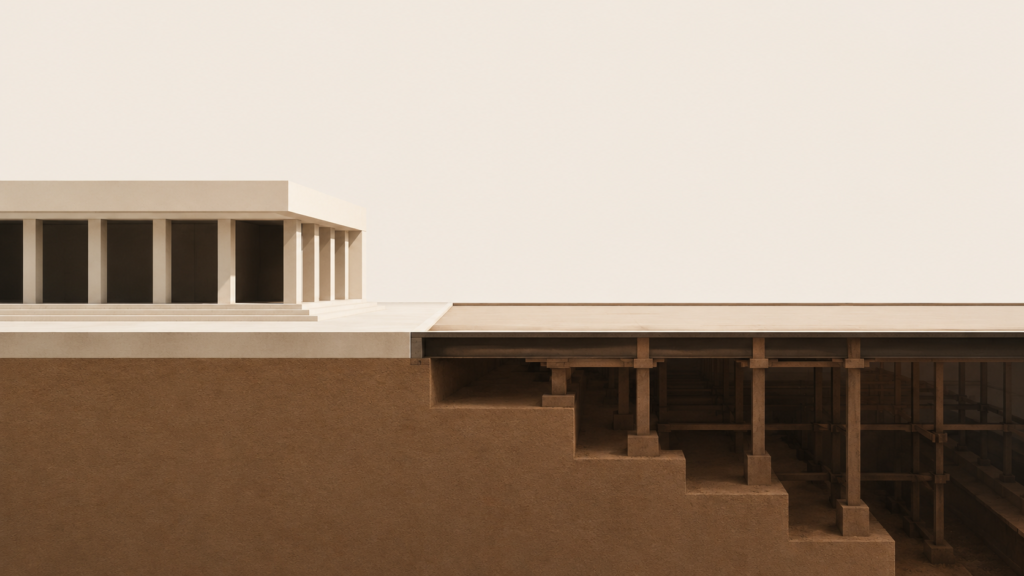
Government is more than elections. Policy is more than legislation. Power is more than whoever appears at the podium. Public life is shaped by institutions, budgets, law, incentives, implementation, infrastructure, administrative capacity, accountability, and the rules that determine who can act.
This territory helps readers understand that machinery. The objective is not partisan reaction. It is institutional literacy: knowing where authority sits, how systems translate intention into outcomes, why institutions behave the way they do, and where civic leverage actually exists.
The Civic Power & Policy Principle
Authority must be traced before accountability can be assigned.
Strong civic judgment begins by identifying who has power, what that power allows, what constrains it, how decisions move through institutions, and who carries the consequences when the system acts.
Start Here
New to this territory? Begin with three questions: how institutions work, where authority sits, and how public decisions become everyday conditions.
Institutions
Building Institutional Literacy
Learn how public institutions are structured, what different offices control, and why understanding authority changes civic participation.
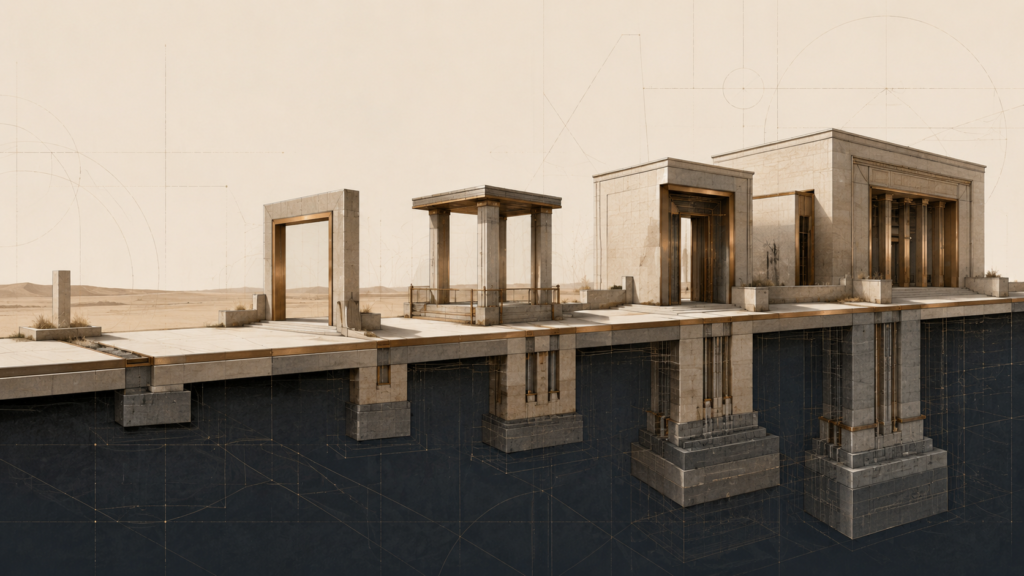
Systems
System Updates
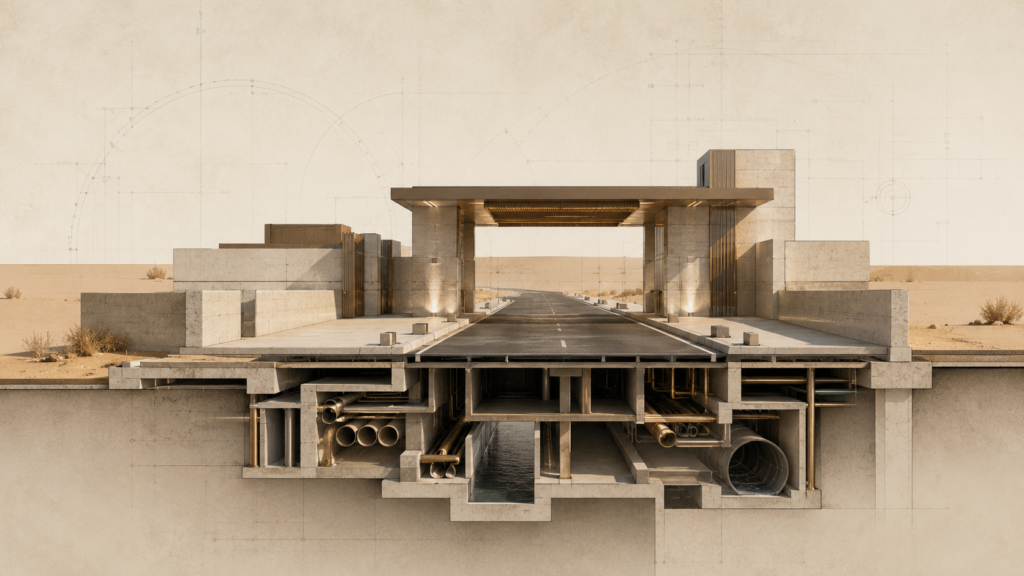
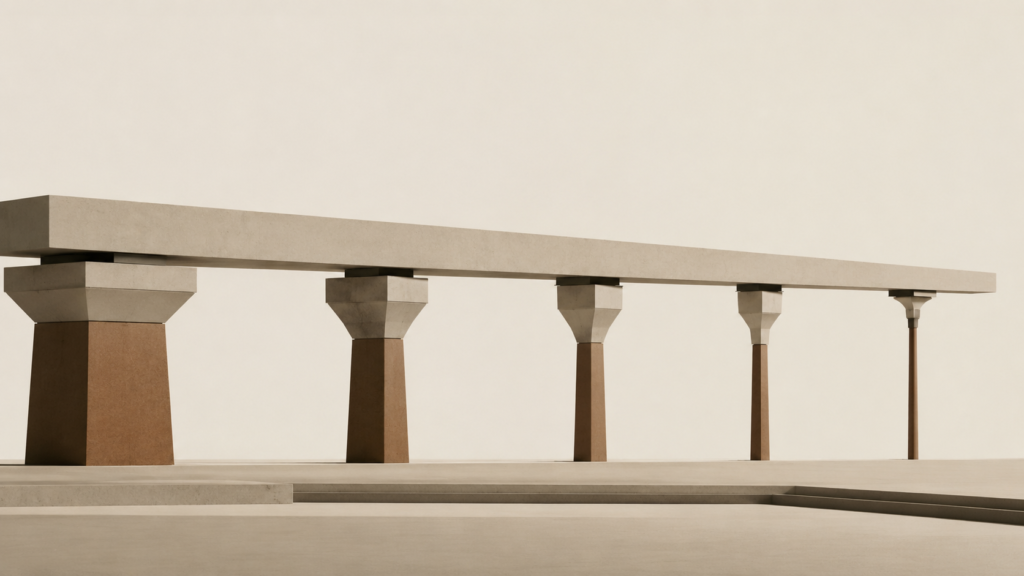
Move beneath events and headlines to understand implementation, incentives, institutional behavior, pressure, and recurring outcomes.
Everyday Civic Design
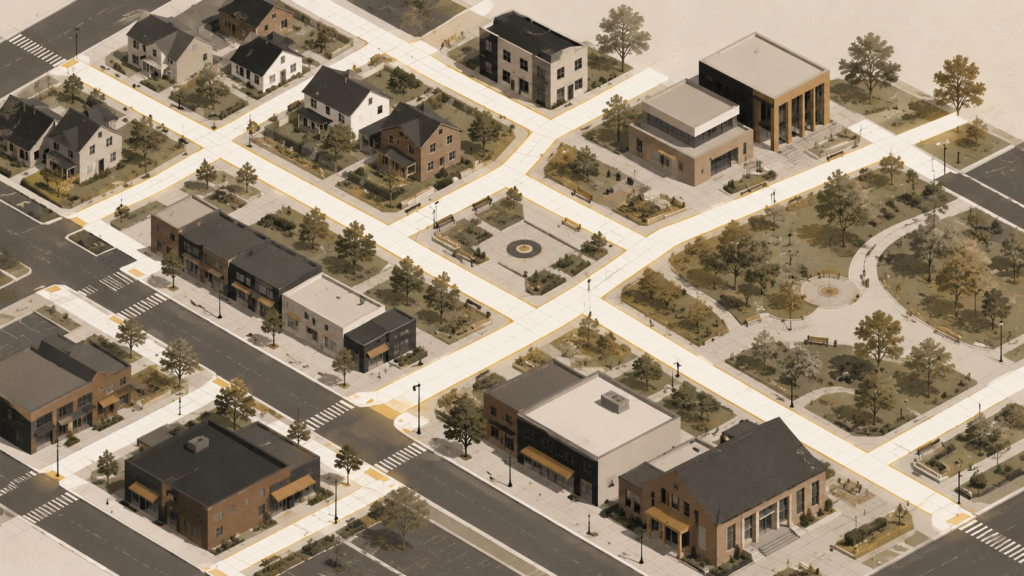
Urban Logic
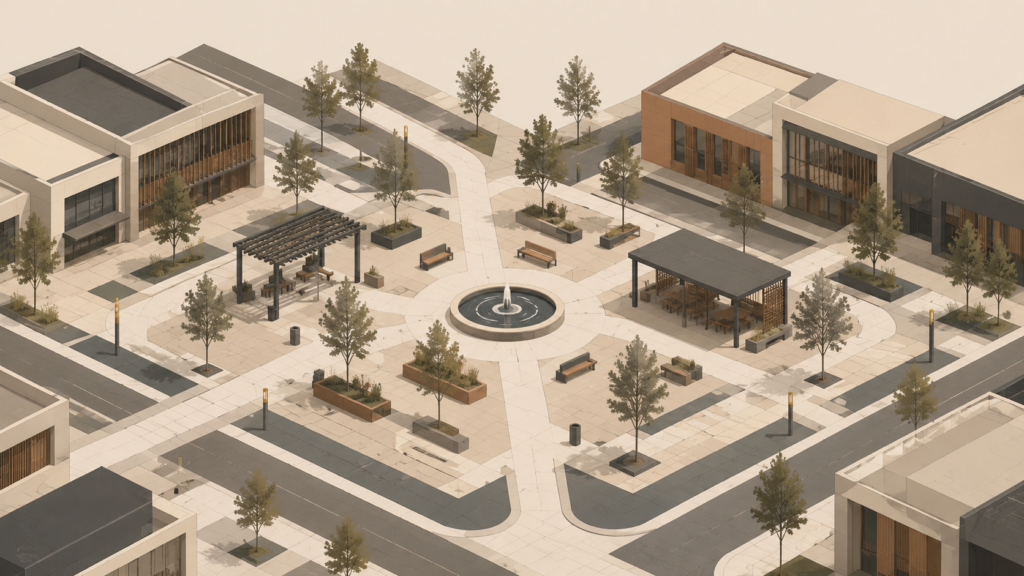
Read sidewalks, transit, crosswalks, lighting, trees, public space, and neighborhood design as civic systems rather than background scenery.
System Updates: Understand the System Beneath the Event
System Updates is Groundwork Daily’s flagship civic-systems series, built by Langston Reed.
Headlines tell readers that something happened. System Updates asks what moved underneath it. The series follows institutions through pressure, implementation, adaptation, enforcement, failure, maintenance, and correction.
The goal is not to determine who deserves the loudest blame. It is to identify the mechanism producing the outcome so readers can recognize the same pattern when it appears somewhere else.
Explore System Updates
Building Institutional Literacy: Know Who Can Actually Do What
Civic frustration becomes expensive when it is directed at the wrong institution.
Building Institutional Literacy develops the foundational knowledge required to trace authority through federal, state, local, judicial, administrative, and constitutional systems.
It teaches readers to ask better civic questions: Which institution controls this issue? What authority does that institution possess? What limits its power? Which level of government can actually change the rule? Where does implementation occur?
That discipline turns politics from personality watching into institutional understanding.
Build institutional literacy
Civic Education: Learn the Structure Before Arguing About the Outcome
Dr. Simone A. Traylor builds Civic Education around foundational civic literacy, constitutional structure, delegated authority, rights, government responsibilities, and the rules that determine how public power is organized.
This series does not train readers what political opinion to hold. It trains readers to understand the institutional structure inside which political disagreement takes place.
That includes federalism, constitutional limits, local authority, courts, warrants, state and federal conflict, education governance, and the difference between legal power and political rhetoric.
Start with Civic Education: Institutional Literacy and Structural Power
Explore Civic Education
Signal Check: Separate Structural Movement From Political Noise
Public life produces more information than most people can responsibly process.
Signal Check, built by Langston Reed, exists to distinguish meaningful institutional movement from the noise surrounding it. The question is not simply whether something is receiving attention. The question is whether authority, incentives, implementation, funding, capacity, or institutional behavior actually changed.
This is the early-warning layer of Civic Power & Policy: identify the signal before building a conclusion around the spectacle.
Explore Signal Check
The Sovereign Ledger: Read National Power Through Capacity
Governments do not exercise power through law alone. They also exercise it through resources, reserves, ownership, fiscal capacity, infrastructure, and the ability to absorb pressure without surrendering long-term options.
The Sovereign Ledger is Langston Reed’s long-horizon framework for examining sovereign wealth, national balance sheets, public capital, fiscal restraint, institutional durability, and the systems that allow countries to turn temporary economic advantage into lasting strategic capacity.
The deeper question is not simply how much a country earns. It is what the country retains, owns, protects, deploys, and preserves for the future.
Explore The Sovereign Ledger
Urban Logic: Read the City as a Civic System
Policy eventually touches concrete.
Omari Steele builds Urban Logic around the systems people walk past every day: sidewalks, crosswalks, bus stops, street trees, benches, lighting, wayfinding, parking, public space, and neighborhood design.
The series shows how planning, maintenance, accessibility, transportation, land use, public investment, and administrative choices become physical conditions people must navigate.
A city reveals its priorities not only through speeches and budgets, but through what it builds, connects, repairs, shades, lights, maintains, and allows to deteriorate.
The Shaw Report: Put Institutional Contradictions Under Pressure
Some civic failures do not require another explanation. They require closer inspection.
Tariq Shaw builds The Shaw Report around structural accountability. The series examines public contradictions, institutional failures, organizational memory, governance gaps, and the distance between what institutions claim and what their behavior reveals.
Where System Updates explains how a system behaves, The Shaw Report places the contradiction itself under sustained examination.
Explore The Shaw Report
The Civic Power & Policy Map
Different civic questions require different lenses. Use this map to move toward the part of the system you are trying to understand.
| Question | Framework or Series | What It Helps You See |
|---|
|
Why did the institution behave this way? |
System Updates |
Incentives, implementation, capacity, pressure, adaptation |
|
Who actually has authority here? |
Building Institutional Literacy |
Jurisdiction, institutional roles, responsibility, authority |
|
How is public power constitutionally structured? |
Civic Education |
Federalism, law, rights, courts, delegated authority |
|
Is something structurally changing or merely getting attention? |
Signal Check |
Signals, institutional movement, meaningful change |
|
How does a nation preserve long-term power? |
The Sovereign Ledger |
Public capital, fiscal capacity, sovereign wealth, restraint |
|
How does policy become physical daily life? |
Urban Logic |
Infrastructure, access, planning, maintenance, public space |
|
Where does institutional behavior contradict institutional claims? |
The Shaw Report |
Accountability, contradiction, institutional failure |
How Civic Power Actually Moves
Civic power rarely moves in one straight line.
A law establishes authority. An agency interprets the rule. A budget determines capacity. Administrators design implementation. Institutions create procedures. Workers carry them out. Courts may review them. Residents experience the outcome. Public behavior adapts. Political pressure responds.
That is why a policy announcement is not an outcome, a budget appropriation is not delivery, and a legal right is not automatically usable capacity.
Civic literacy means learning to follow the whole chain: authority → rules → resources → implementation → behavior → outcomes → accountability.
Questions We Build Around
Civic Power & Policy is built to answer durable questions about government, public institutions, authority, policy design, and civic systems.
Why do good policies fail during implementation?
What makes public institutions legitimate?
What is the difference between federal, state, and local authority?
Why do government budgets matter?
How do incentives shape public behavior?
Why does institutional trust collapse?
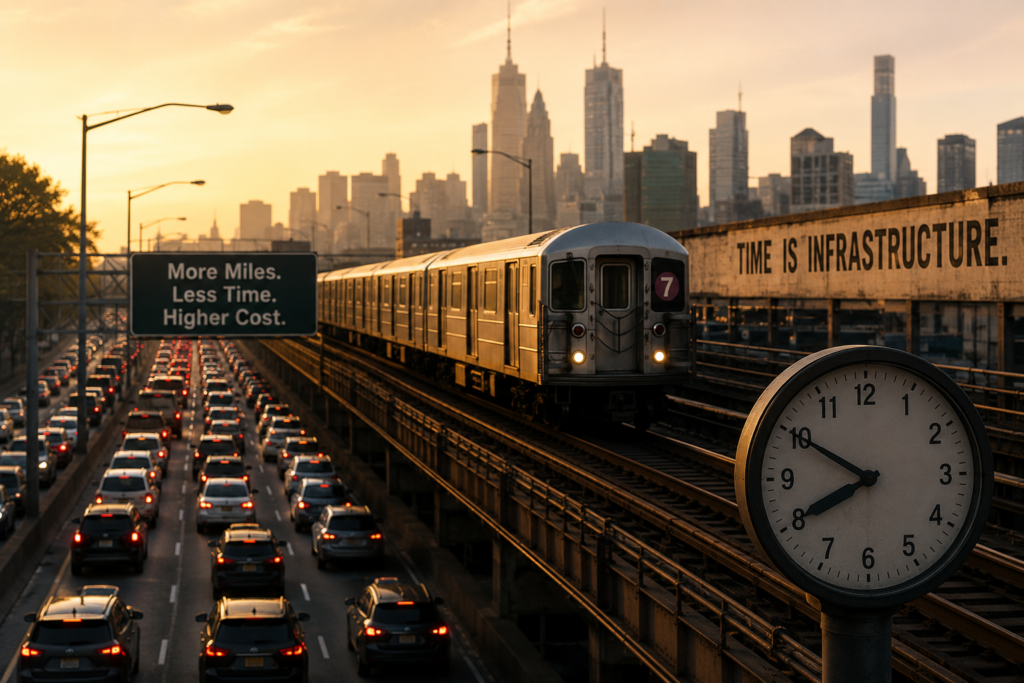
How does infrastructure shape civic life?
Why does maintenance matter in government?
How can citizens identify who actually controls a public decision?
What makes institutional accountability work?
Builders Inside Civic Power & Policy
Civic Power & Policy uses different builders because public systems need more than one lens. Institutional interpretation, constitutional education, civic accountability, and urban design answer different questions while strengthening the same territory.
Langston Reed
System Updates, Signal Check, Building Institutional Literacy, and The Sovereign Ledger. Institutions, governance, policy, authority, implementation, and national capacity.
Dr. Simone A. Traylor
Civic Education. Constitutional structure, rights, federalism, government authority, institutional roles, and foundational civic literacy.
Omari Steele
Urban Logic. Infrastructure, planning, accessibility, public space, maintenance, transportation, and the civic systems embedded in the built environment.
Tariq Shaw
The Shaw Report. Institutional contradiction, civic accountability, governance failure, public systems, and structural scrutiny.
Civic Literacy Is a Form of Leverage
Outrage can identify pain. It cannot tell you which agency controls the rule.
Voting can choose leadership. It cannot replace understanding budgets, administrative authority, public meetings, implementation, courts, procurement, infrastructure, or institutional incentives.
Evidence matters. But evidence becomes more useful when the reader knows where in the system that evidence belongs.
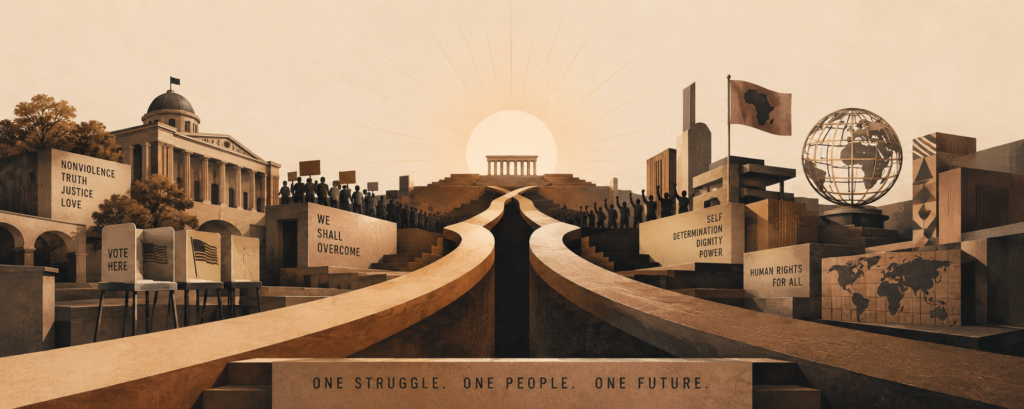
That is the work of Civic Power & Policy: understand the structure well enough to know where power is, what moved, what did not, and where pressure can actually matter.
Continue Building
Civic understanding becomes useful when you can move from the visible event to the institution, the authority, and the system producing the outcome.
→ Institutional Framework:
Building Institutional Literacy
→ Civic Systems:
System Updates
→ Built Environment:
Urban Logic
Headlines move fast. Institutions move differently.
Groundwork Daily examines government, policy, institutional design, infrastructure, public incentives, civic authority, and the systems operating underneath public life.
Join the Groundwork List