

How Crime Stories Become Ideological Content Machines Online
Crime stories now move through an online ecosystem where commentary channels, algorithms, and audience incentives transform events into competing narratives.
Culture, Media & Leadership looks at how influence works. It explores the systems that shape
behavior, how narratives spread, how people signal identity, and how leaders reveal themselves
when the pressure hits. Culture is not random. It is structured, strategic, and patterned.
This category examines the incentives behind media, the psychology of audiences, and the ways
cultural signals drive choices in relationships, community, and public life. The goal is clarity
in a noisy world, insight over reaction, and awareness that lasts longer than the timeline
of any trend.
Crime stories now move through an online ecosystem where commentary channels, algorithms, and audience incentives transform events into competing narratives.

Masculinity does not need decoration. The men who last are rarely the loudest or the most visible. They are the ones whose lives work without explanation.

Black diaspora identity conflict is escalating online, especially across social media platforms amplifying FBA vs immigrant debates. This piece examines how algorithmic incentives, cultural insecurity, and unresolved lineage conversations are turning identity into spectacle instead of structure.
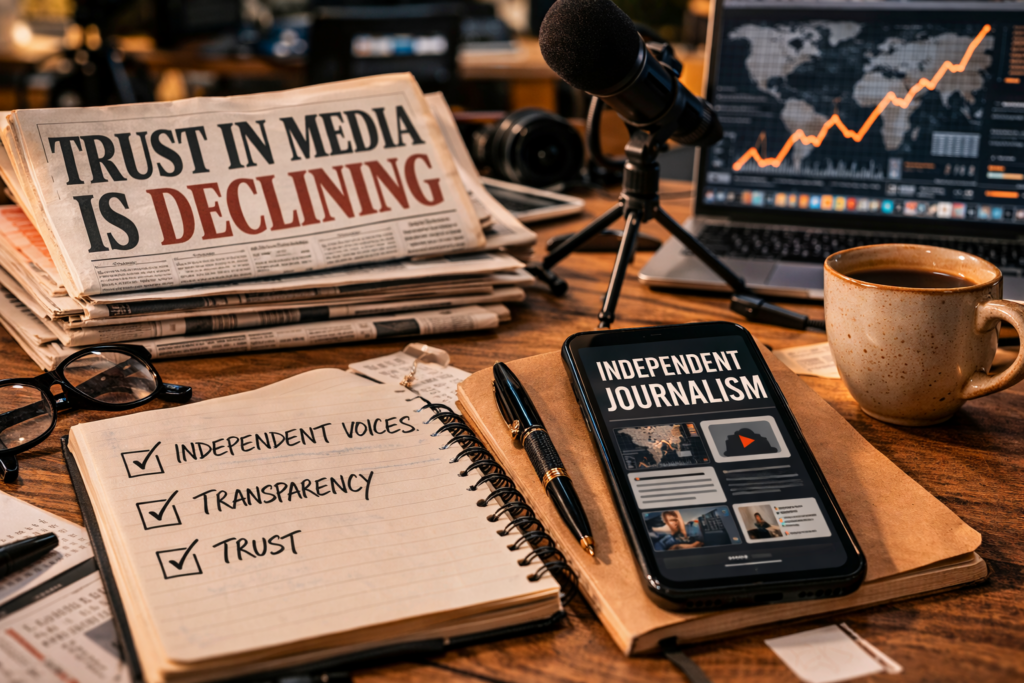
Legacy media and independent journalism now shape the modern information ecosystem. Understanding what each model does best reveals how journalism is evolving.

Trust in media is declining as audiences question incentives, editorial framing, and transparency in modern journalism. Here is why credibility is eroding and what the future of news may look like.
Creator-led media is reshaping journalism as independent reporters, newsletters, and podcasts build direct audiences outside traditional newsrooms. The shift is redefining how news is produced, distributed, and trusted in the digital age.

Journalism no longer competes only with other news outlets. In the digital attention economy, news now competes with entertainment, commentary, and viral content for the public’s focus.

The future of journalism is shifting toward independent media, creator-led reporting, and direct audience trust beyond traditional newsrooms.
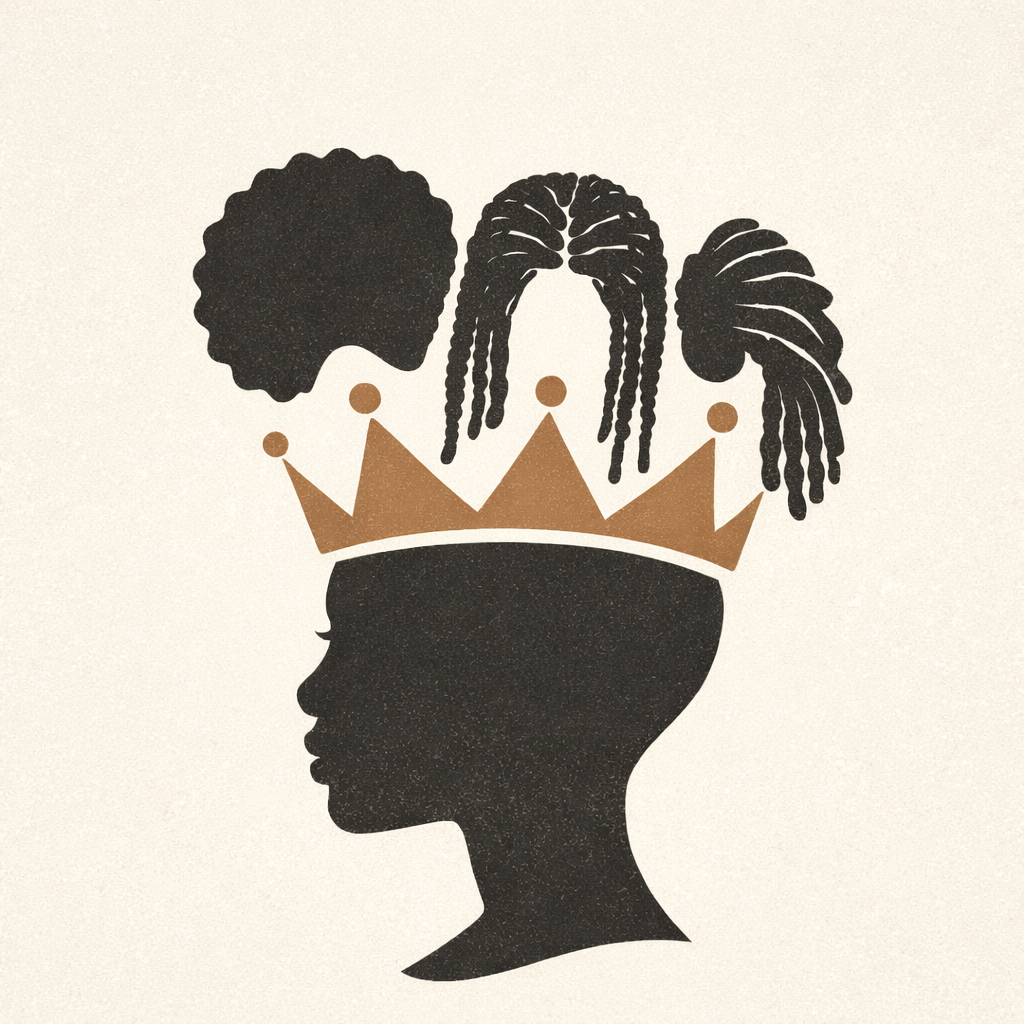
Hair has always carried meaning beyond style. This article explores the politics of Black hair, tracing how culture, identity, and power shaped modern conversations around natural hair and social acceptance.
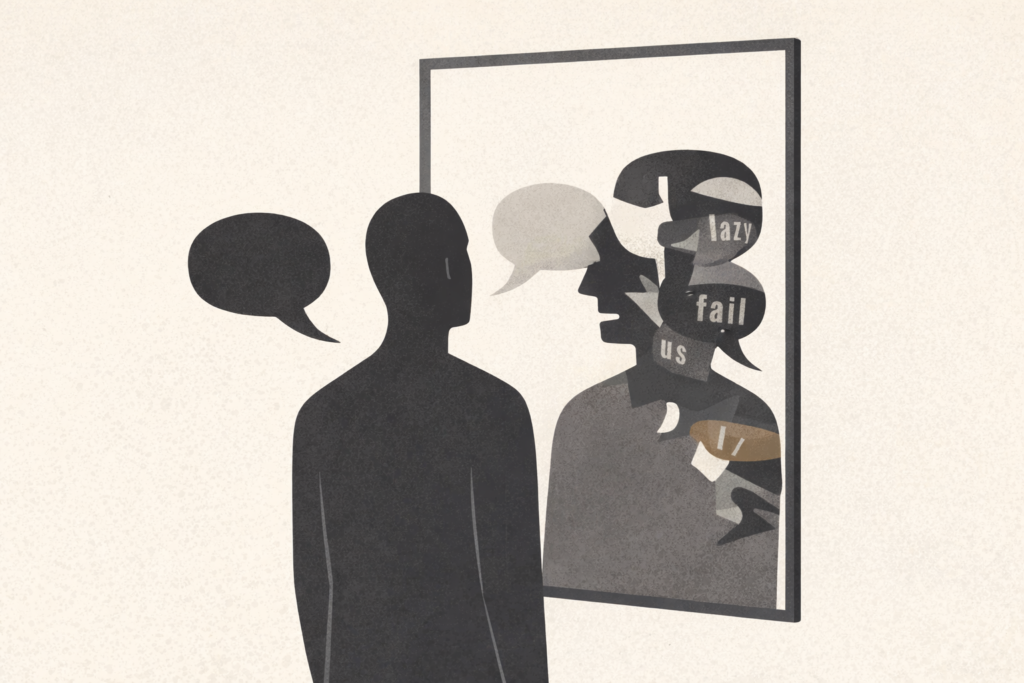
Language shapes identity in quiet ways. When communities repeat negative labels about themselves, those words can slowly influence expectations, behavior, and culture.

Relief is announced in headlines. Complexity arrives in fine print. At the kitchen table, dense policy language turns promises into paperwork and clarity into confusion.

Charisma looks like strength until pressure arrives. Treated as an asset, it carries high upside and high volatility. Without structure, it depreciates fast—and culture keeps overpaying for it.