
Recommendation Systems: What You See Is Not an Accident
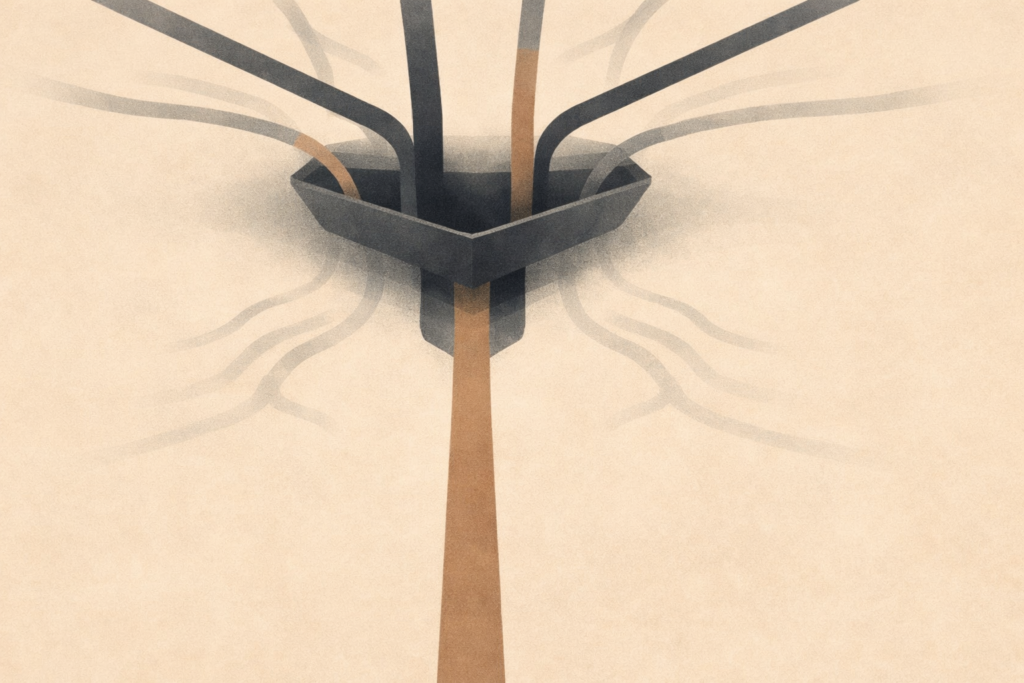
Recommendation systems decide what you see before you search. If the system curates your inputs, it shapes your direction. This breakdown shows how control operates inside attention.
Automation Discipline examines how automated systems should be structured to preserve accountability rather than remove it. As workflows become increasingly automated, the primary risk is not failure. It is silent execution without oversight.
This tag focuses on how automation shapes decision-making, responsibility, and system reliability. It explores where human control is intentionally maintained and where it has been unintentionally removed.
Automation Discipline does not reject efficiency. It challenges unexamined automation. Systems that operate without clear checkpoints create environments where errors compound without detection.
Within this collection, topics include automated workflows, decision delegation, system defaults, and the role of friction in maintaining control. Each post addresses how to design automation that supports human judgment rather than replaces it.
Automation should extend capability, not eliminate responsibility. Automation Discipline ensures that systems remain accountable at every step.
Recommendation systems decide what you see before you search. If the system curates your inputs, it shapes your direction. This breakdown shows how control operates inside attention.