The Body Keeps Receipts: How Systems Become Biology
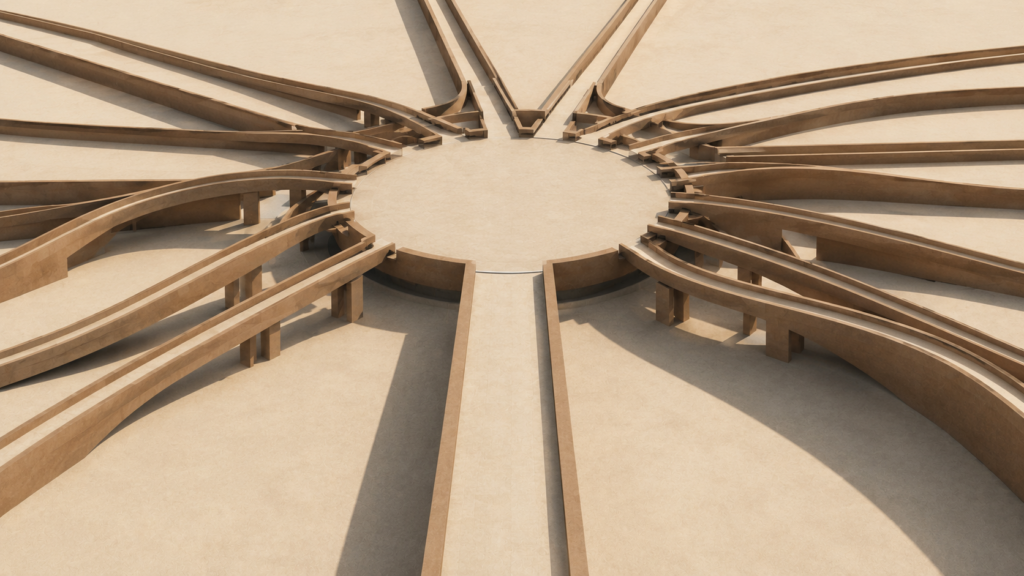
Small environmental conditions shape biology over time. Discover how stable systems quietly build resilience while chronic instability compounds hidden strain long before visible outcomes appear.
Burnout does not always come from doing too much. Sometimes it comes from going too long without interruption. Recovery should not be the reward. It should be part of the structure.
Can trauma be inherited? Modern epigenetics suggests environments can influence how genes are expressed without changing DNA itself. Learn what biological memory is, what the science actually says about trauma, and why systems leave lasting physiological fingerprints.
Mental health is not about feeling good all the time. It is about staying connected to reality, relationships, recovery, and purpose.
Many men do not lose friendships all at once. They slowly replace connection with obligation until loneliness starts feeling normal.
Many men mistake depletion for ambition. Exhaustion is not proof of strength. It is a signal that capacity, recovery, and identity need repair.
More men are talking about mental health than ever before. But naming stress is not the same thing as understanding it. Mental health begins when language becomes specific enough to create change.
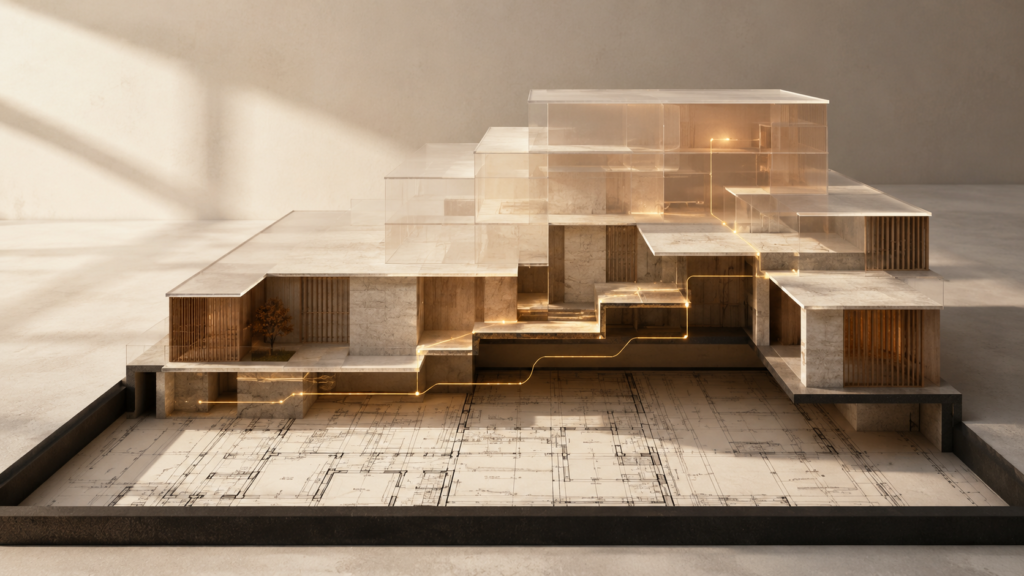
Behavior follows environment. If the structure stays the same, the outcome will too.
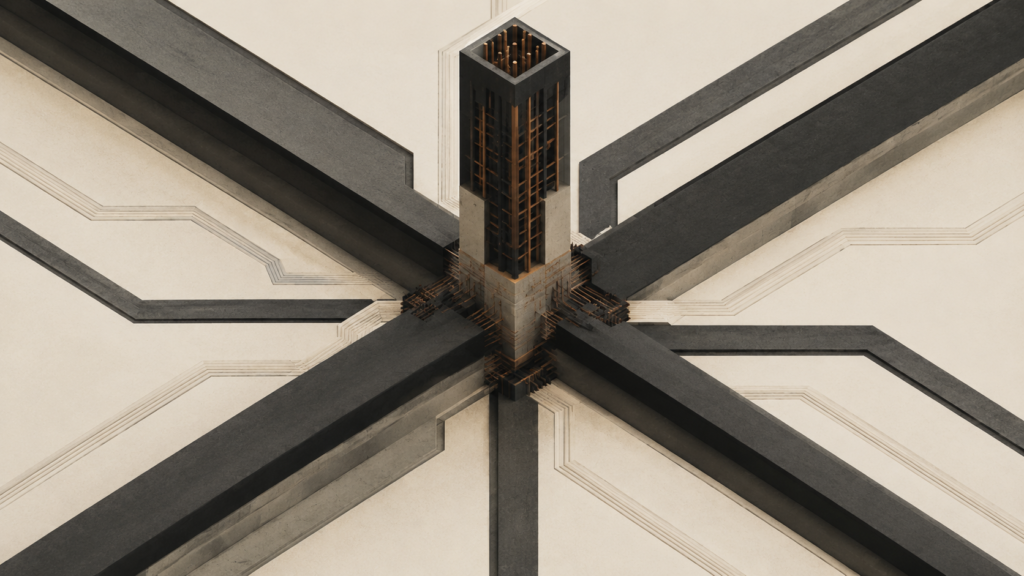
Efficiency often looks disciplined. However, systems optimized to the edge can become fragile under pressure. Without structural margin, minor disruptions cascade into instability. Real strength requires resilience, not compression.
Recovery is not weakness. It is a performance skill. In this Health as Discipline entry, we explore cyclical capacity building, structured recovery, and how intelligent load management creates sustainable, high-trust performance over time.
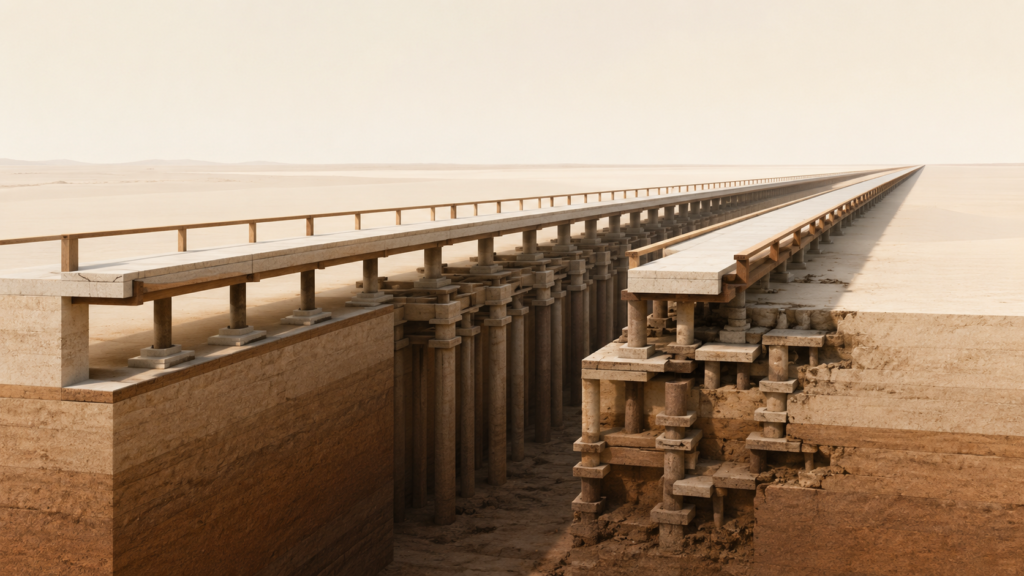
Systems do not collapse from effort alone. They collapse from compression. When margin disappears, integrity follows. Durable structures—financial, institutional, or personal—are designed with space, capacity, and engineered restraint. Stability is not intensity. It is disciplined margin.
Intensity gets attention. Recovery builds capacity. When sleep, nervous system regulation, and load management are neglected, performance stalls. Recovery is a performance skill, not a luxury.