
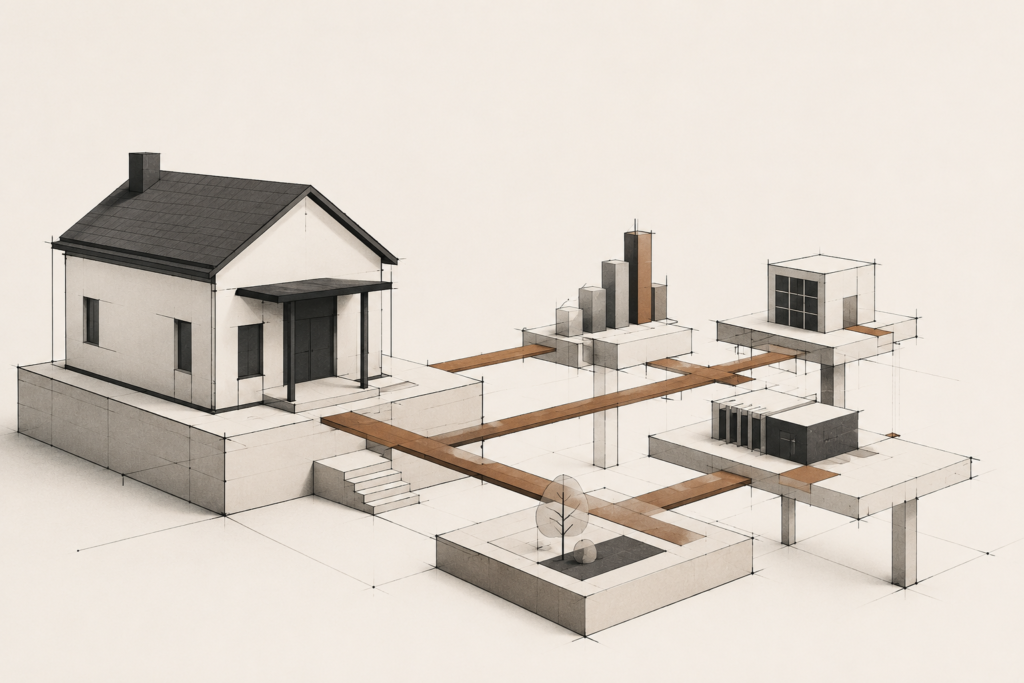
Why Homeownership Alone Cannot Close the Black Wealth Gap
Homeownership builds stability, but housing alone cannot close the Black homeownership wealth gap. Long-term wealth requires diversified ownership systems.

Money Monday is the weekly operating system for financial discipline on Groundwork Daily.
It is designed to bring structure to the choices that shape long term stability.
Every entry focuses on clarity, accountability, and practical steps that strengthen a person’s economic position.
Money Monday treats money as infrastructure. Sound habits create leverage.
Small decisions compound. Order builds freedom.
The series is direct, steady, and rooted in principles that hold whether the economy is calm or volatile.
Each Monday provides one actionable idea.
A step you can use immediately.
A pattern that shifts your thinking from short term reaction to long term design.
The work is not about entertainment or financial noise.
It is about grounded strategy that grows stronger over time.
Money Monday exists to help people build financial footing that supports the life they want to create.
Steady choices shape strong outcomes.
This series gives readers a clear path to strengthen judgment, reduce risk, and build forward with intention.
Build better. Every Monday.
Homeownership builds stability, but housing alone cannot close the Black homeownership wealth gap. Long-term wealth requires diversified ownership systems.

The racial wealth gap is no longer explained only by income. Increasingly, it is explained by ownership.

Using your emergency fund is not failure. Failing to rebuild it is. This guide explains how to rebuild your emergency fund step by step so your financial protection returns quickly without disrupting your entire system.
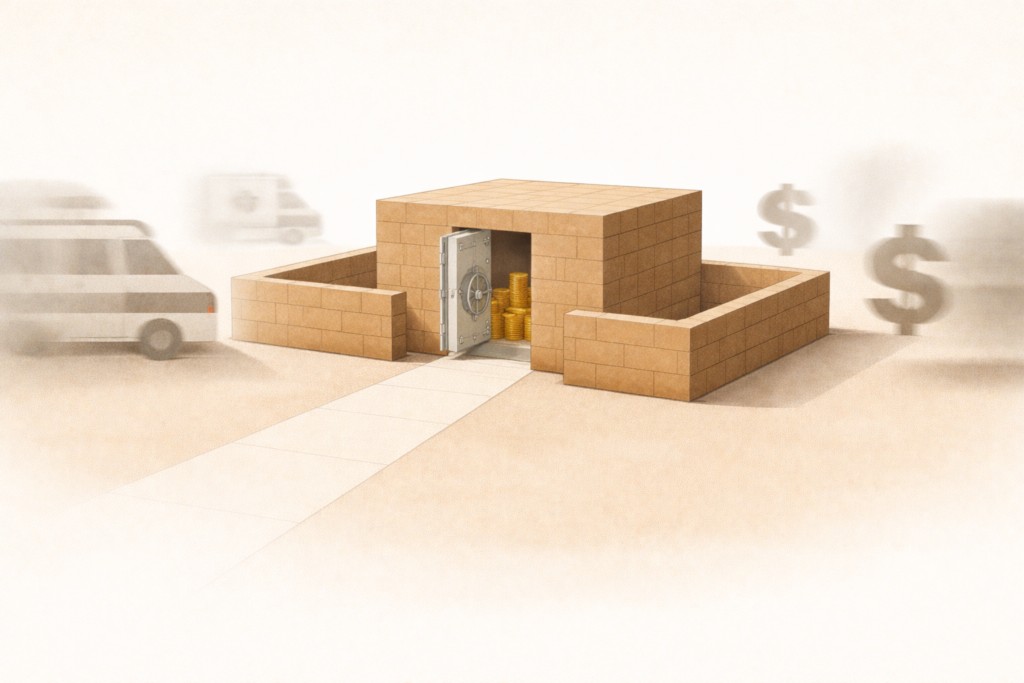
Using an emergency fund without rules leads to depletion. Most people do not define what qualifies as an emergency, so emotion takes over. This guide explains when to use your emergency fund, when not to, and how to protect your financial stability with clear boundaries.
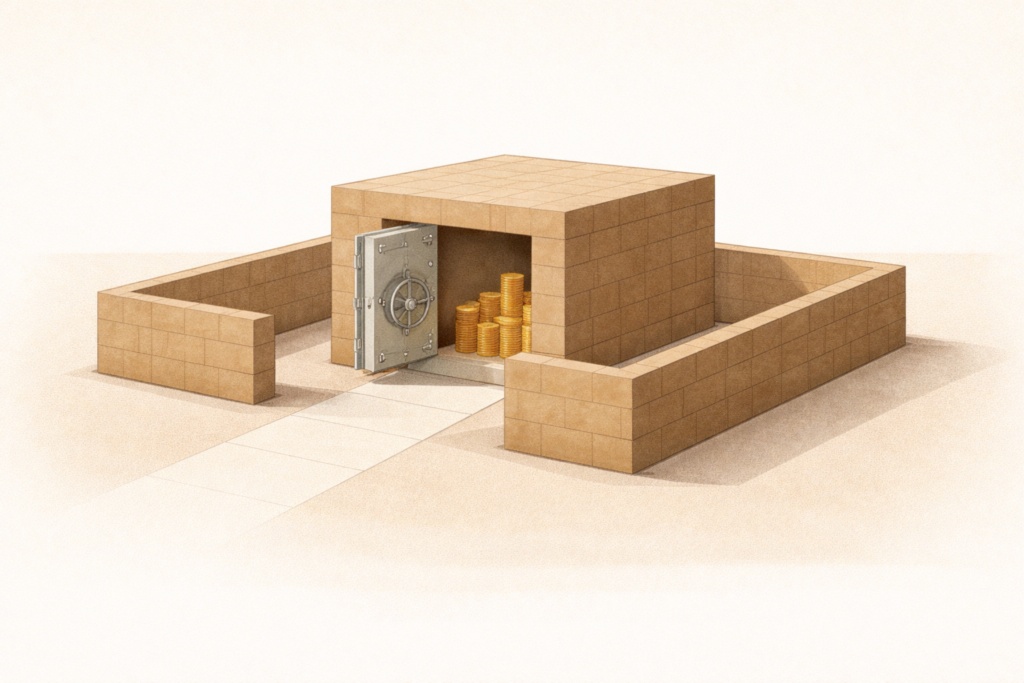
Where you keep your emergency fund matters as much as how you build it. The wrong location makes money too easy to spend or too hard to access. The right setup protects your cash while keeping it available when needed. This is how to store your emergency fund correctly.
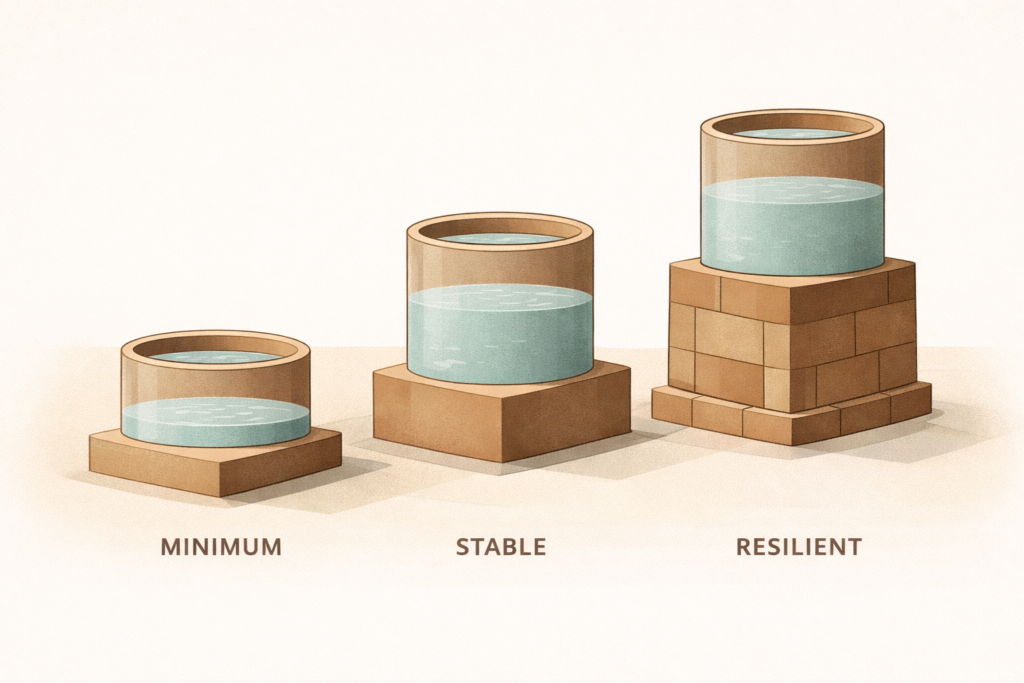
Most advice says save three to six months of expenses. That is incomplete. The right emergency fund depends on your risk, stability, and responsibilities. This guide breaks down how much you actually need so you can build a reserve that protects you without over-saving or delaying progress.

Building an emergency fund feels restrictive because most people treat it as loss instead of protection. When structured correctly, saving stops feeling like sacrifice and starts functioning like stability. The goal is not to feel broke while saving. The goal is to build security without disrupting daily life.
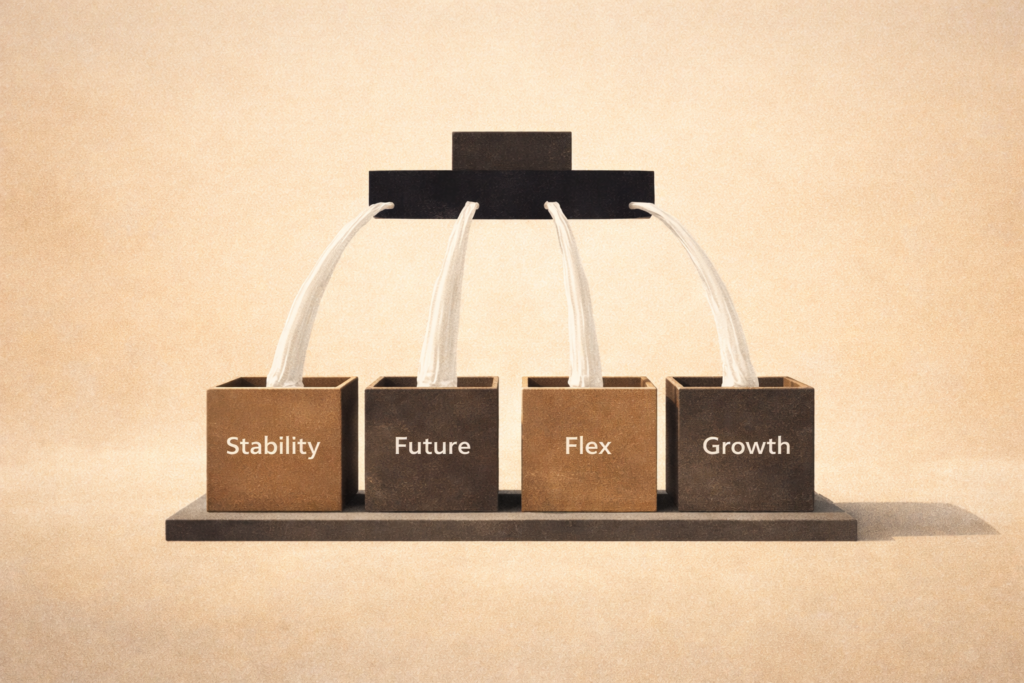
Money is not earned. It is routed. Without structure, it defaults to consumption. Without allocation, it obeys impulse. A disciplined system assigns every dollar before it arrives. Stability first. Future next. Flex defined. Growth intentional. If money has no destination, it is already gone.

Demand for skilled trades is rising across construction, energy, and manufacturing as infrastructure expansion and labor shortages reshape the modern workforce.
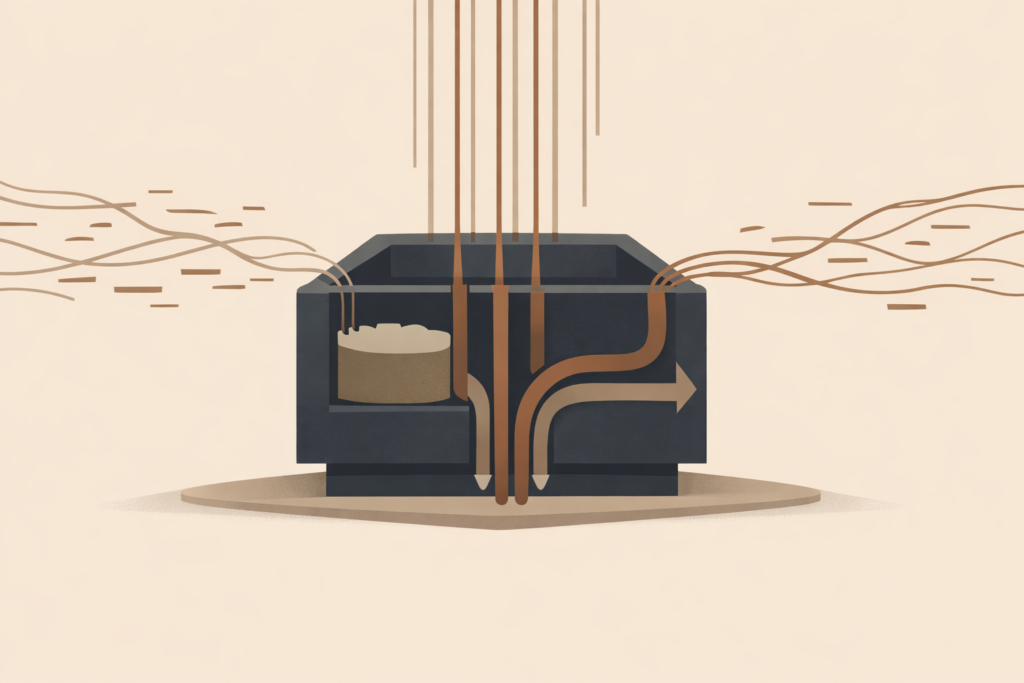
Financial stability does not come from income alone. It comes from systems that direct, retain, and protect money before pressure turns disorder into crisis.

A growing skilled trades shortage is reshaping the labor market as infrastructure demand rises and fewer workers enter hands-on professions.

When nothing is left at the end of the month, the problem is not income. It is structure. Learn how to save money when you have none left by changing the order and reserving money before it disappears.