

The Credential Trap
Degrees once opened doors. Increasingly, they function as filters. The result is a growing gap between education and economic mobility.

System Updates is the civic intelligence arm of Groundwork Daily. It tracks the movement of power, the reconfiguration of institutions, and the quiet shifts that shape how communities live, work, and build.
The mission is simple. Translate complexity into clarity. The world runs on systems, from policy to budgets to incentives to technology. Most of that machinery operates in the background. This series brings those systems to the surface. Each report explains how they work, what is changing, and why it matters for anyone building stability in an unstable environment.
System Updates operates like an internal audit for the world outside your door. It examines numbers, incentives, structural risk, and political movement with steady precision. No noise. No theatrics. No partisan choreography. Only disciplined analysis rooted in evidence and long horizon thinking.
Every installment answers three questions.
The policy decision, the budget move, the legal ruling, the technological acceleration.
The deeper pattern that sits beneath the headline.
The downstream effects on work, family, safety, opportunity, and long term planning.
System Updates exists because every community deserves clarity. Accountability is structural. People who are building a future should not have to guess how the system is moving around them.
This is civic literacy practiced with intention. This is disciplined awareness applied to public life. This is the briefing that keeps the builders ahead of the curve.
Degrees once opened doors. Increasingly, they function as filters. The result is a growing gap between education and economic mobility.

Narrative engineering is the process institutions use to shape public perception through repetition, framing, emotional signaling, and coordinated messaging systems.
Narrative engineering in politics explains how language, media framing, and institutional influence shape public perception before policy is debated. This System Updates entry shows how political narratives make cuts, restrictions, and risk transfers feel inevitable.
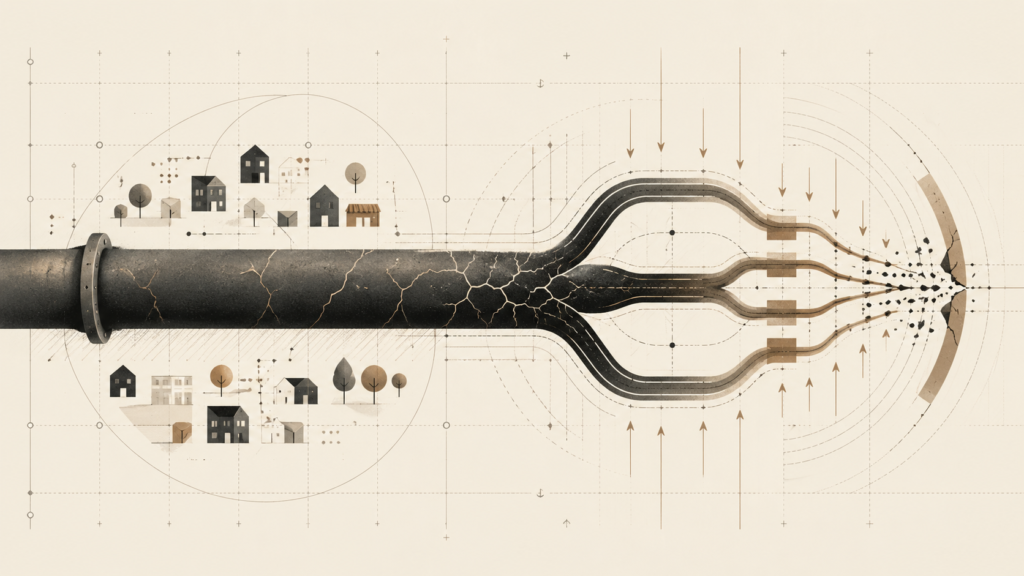
The next SNAP failure will not begin from stability. It will begin from weaker participation, tighter household margins, and a system that still lacks automatic protection.

The age of automation is not a future event. It is an active sorting system. Roles are being redefined in real time. Some work is scaling. Some is stabilizing. Some is disappearing entirely. The question is no longer whether automation will change the economy. The question is where you will stand inside it.
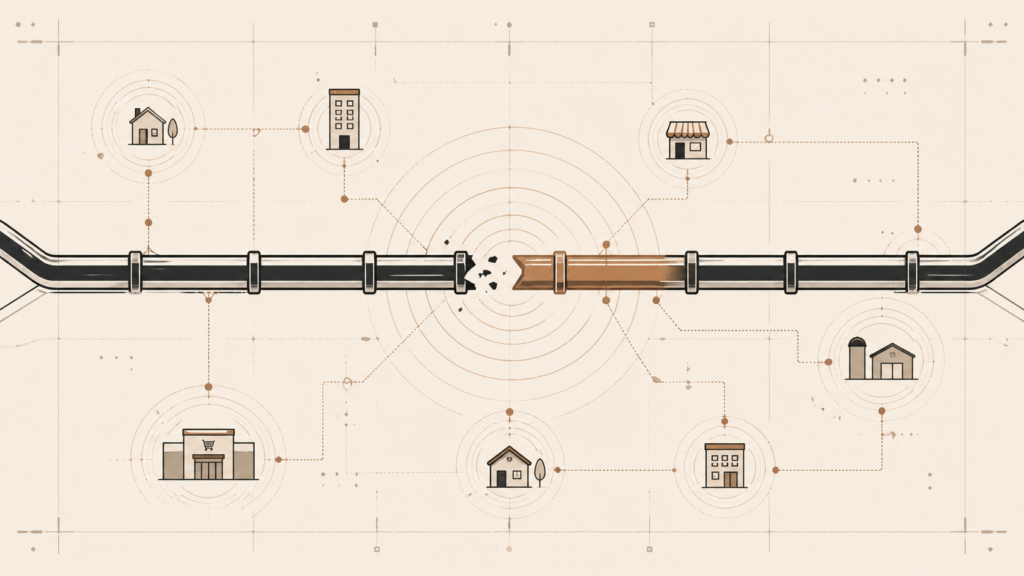
Months after the November 2025 SNAP crisis, the system has resumed but not evolved. Food aid infrastructure remains exposed to the same political and operational risks that caused the disruption. The failure passed. The vulnerability did not.

The Haitian revolution system was not just a revolt. It was a full break from colonial control that reshaped power, freedom, and consequence.

Patriarchal systems were built for a physical economy. Today’s economy runs on care, coordination, and intelligence. This shift exposes hidden subsidies, capital inefficiencies, and structural misalignment across modern systems.
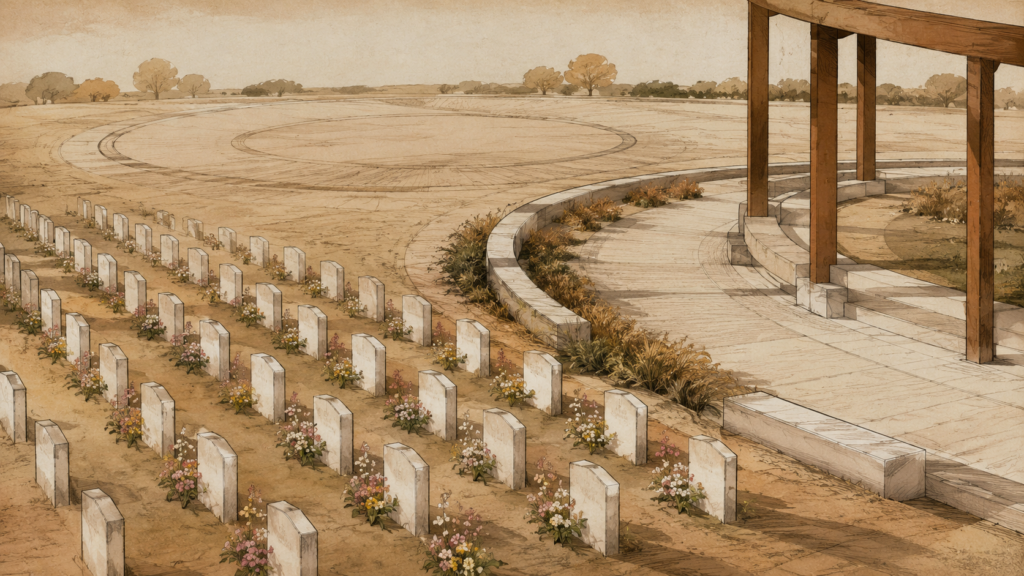
The Black origins of Memorial Day begin in Charleston in 1865, where newly freed Americans transformed a Confederate prison camp into sacred ground.
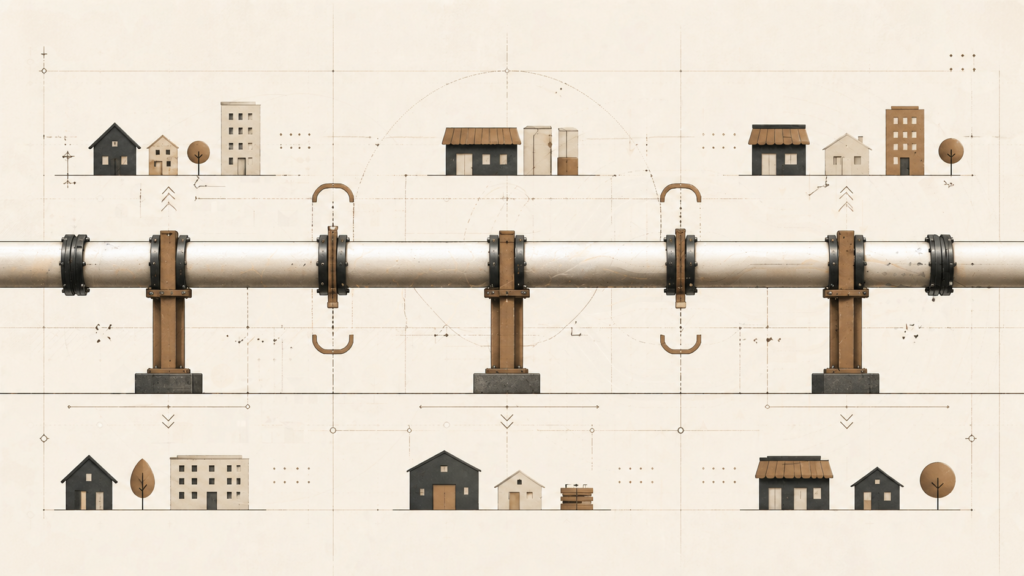
SNAP is not broken by accident. It is designed without automatic protection. A resilient system would guarantee continuity, reduce friction, and stabilize households under pressure.

Was American slavery the worst in history? The better question is how different slave systems were built, enforced, and sustained across generations.

Modern dating is no longer governed by shared expectations but by shifting incentives that reward short-term gain over long-term commitment. This analysis explores how transactional behavior, digital abundance, and cultural drift are weakening relationship stability and, in turn, undermining family formation as a core pillar of social infrastructure.