System Updates, the civic intelligence arm of Groundwork Daily.
About System Updates
System Updates is the civic intelligence arm of Groundwork Daily. It tracks the movement of power, the reconfiguration of institutions, and the quiet shifts that shape how communities live, work, and build.
The mission is simple. Translate complexity into clarity. The world runs on systems, from policy to budgets to incentives to technology. Most of that machinery operates in the background. This series brings those systems to the surface. Each report explains how they work, what is changing, and why it matters for anyone building stability in an unstable environment.
System Updates operates like an internal audit for the world outside your door. It examines numbers, incentives, structural risk, and political movement with steady precision. No noise. No theatrics. No partisan choreography. Only disciplined analysis rooted in evidence and long horizon thinking.
Every installment answers three questions.
1. What shifted
The policy decision, the budget move, the legal ruling, the technological acceleration.
2. What it signals
The deeper pattern that sits beneath the headline.
3. What it changes for ordinary builders
The downstream effects on work, family, safety, opportunity, and long term planning.
System Updates exists because every community deserves clarity. Accountability is structural. People who are building a future should not have to guess how the system is moving around them.
This is civic literacy practiced with intention. This is disciplined awareness applied to public life. This is the briefing that keeps the builders ahead of the curve.
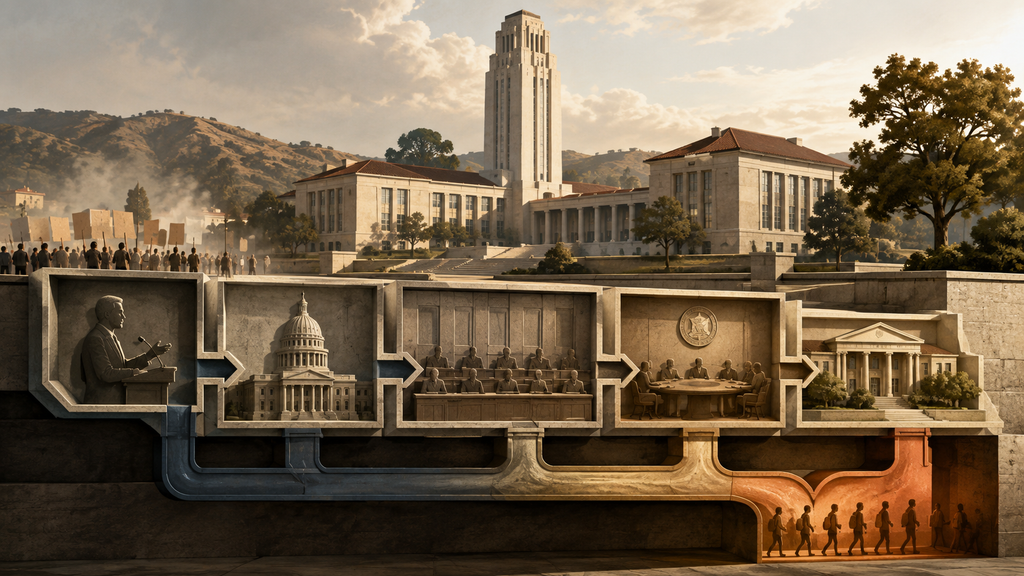
Did Ronald Reagan end free college in California? The popular story is too simple. Reagan pushed for tuition and lower university spending, but the shift involved the governor, state financing, university leadership, and the UC Regents. The real history shows how political pressure becomes institutional change.
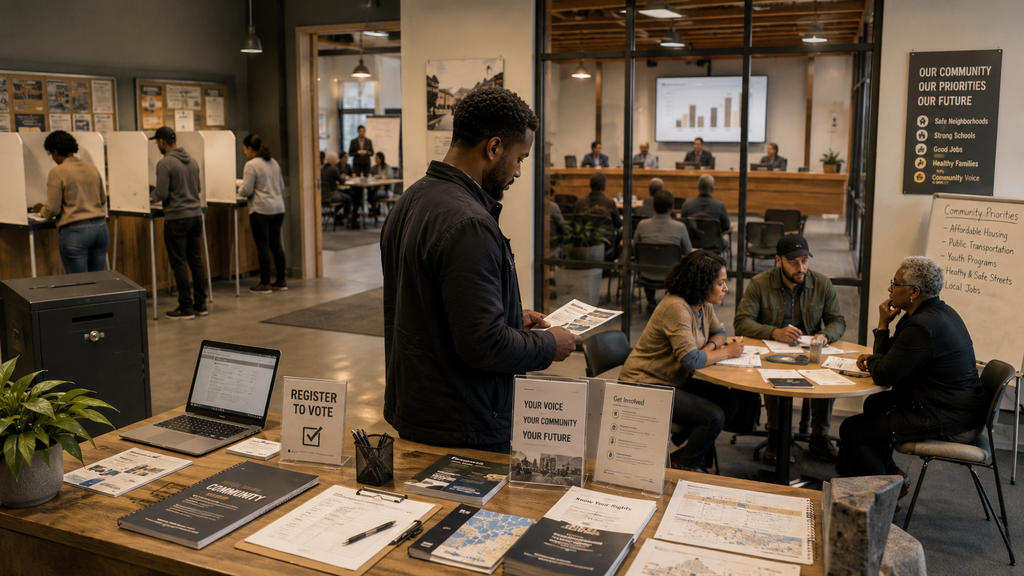
Election Day is only one moment in the civic system. Voter registration, access, information, participation, representation, and accountability determine whether political voice becomes durable civic power.
The Great Incorporation explains how Black power moved from collective civil advocacy to market access, celebrity visibility, procurement dependency, and symbolic representation without producing broad-based wealth infrastructure.
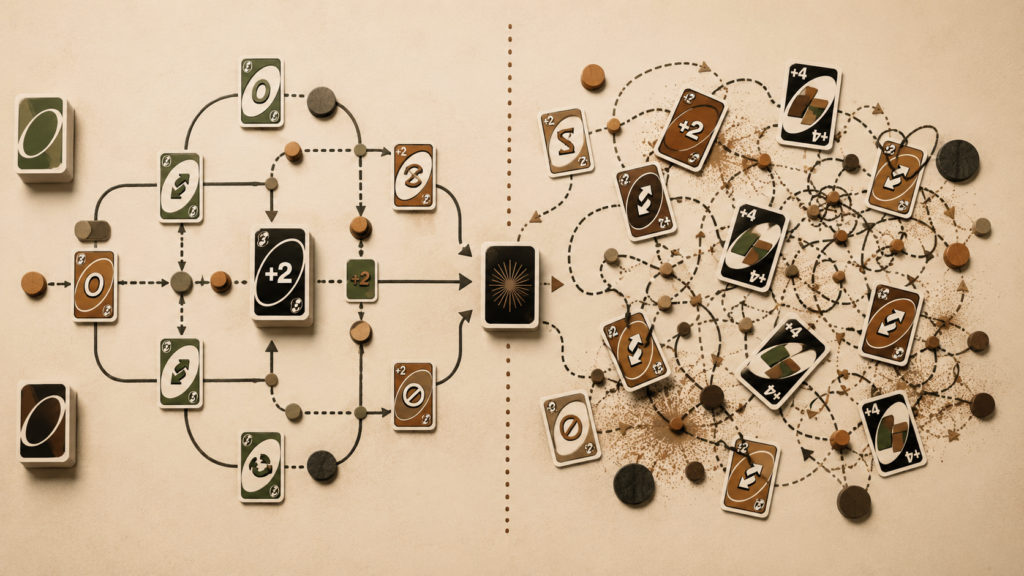
Public conversation did not collapse because people forgot how to communicate. It collapsed because modern systems reward reaction faster than understanding.
Institutions rarely move the moment something happens.
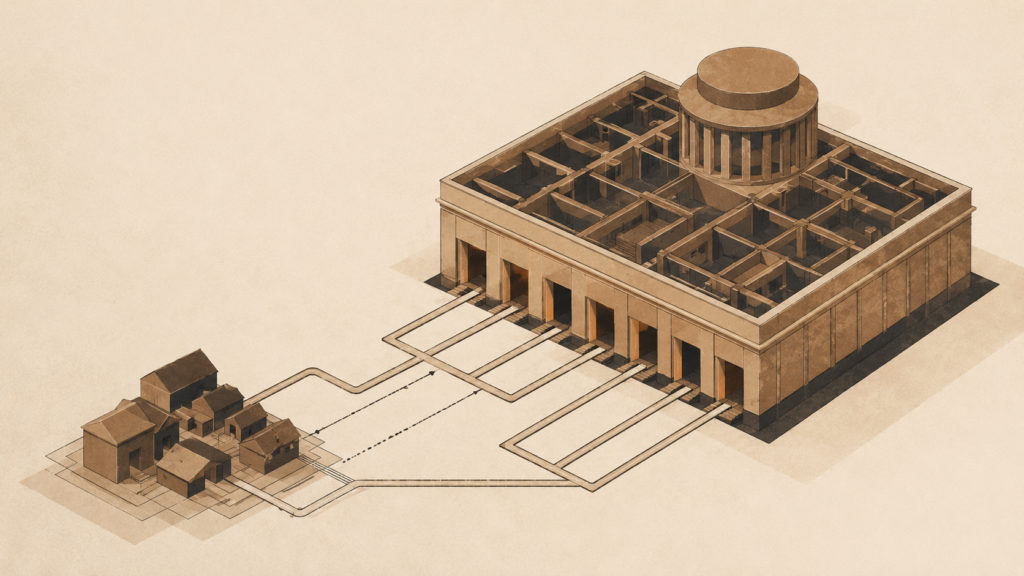
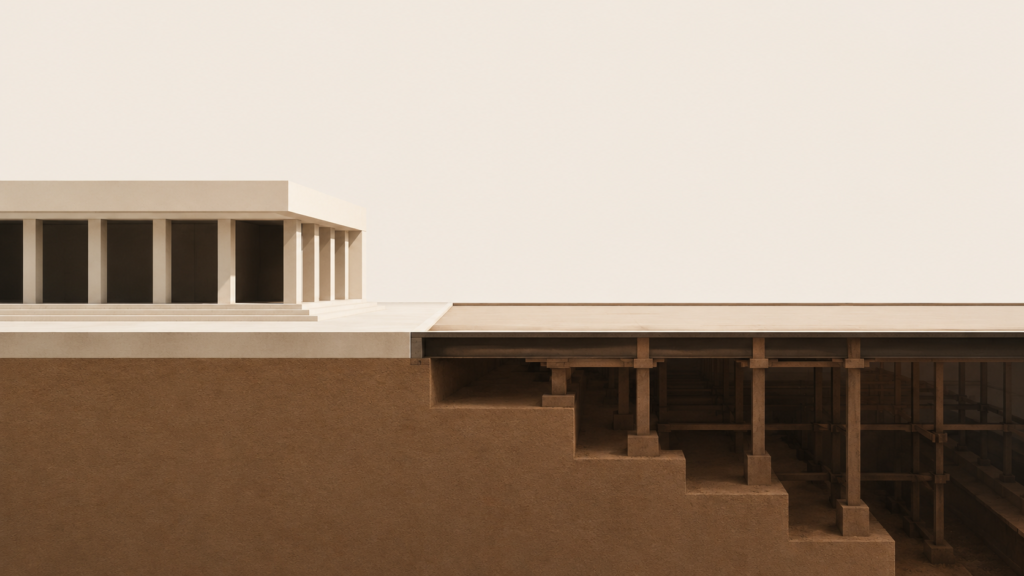
They translate first. They convert pressure into language, language into process, and process into action. This piece explains why institutional delay is often not hesitation but structured interpretation and why understanding that translation layer changes how we read public decisions.
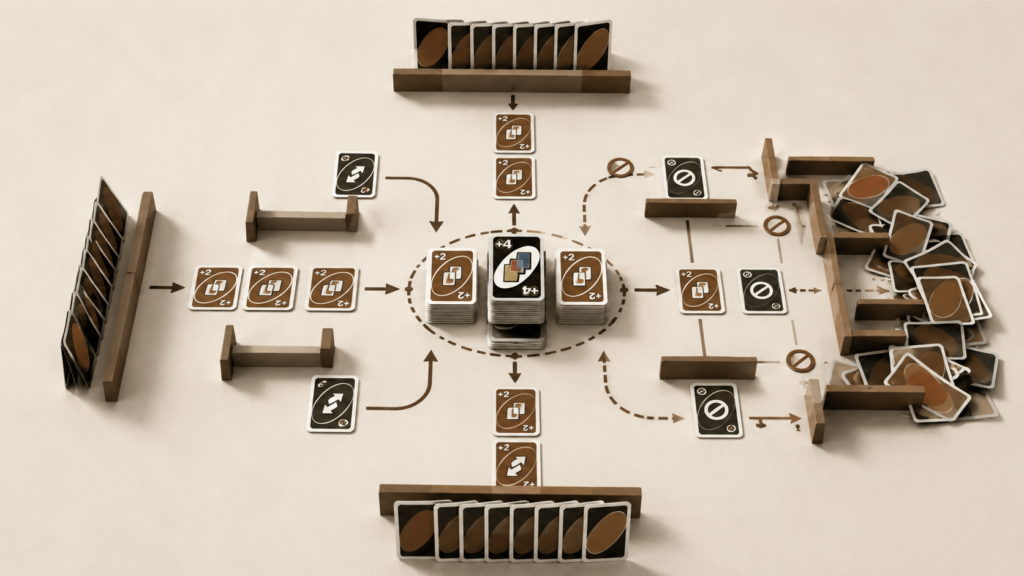
Announcements create visible movement. Results require invisible movement. This System Update explores why expectations accelerate faster than institutions and why implementation, not attention, determines public experience.
Good intentions do not automatically become good outcomes. This System Update explores why policy implementation, institutional translation, and execution capacity often matter more than agreement.
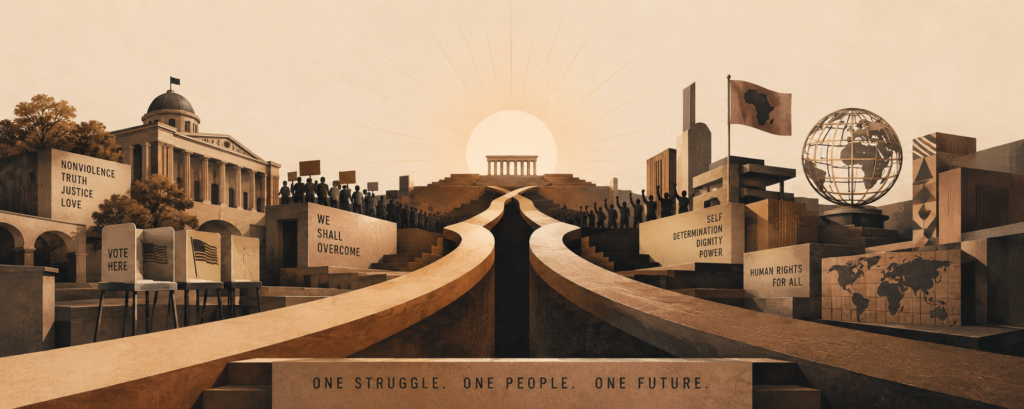
Martin Luther King Jr. and Malcolm X are often portrayed as opposites. In reality, both increasingly focused on securing dignity, safety, opportunity, and self-determination for Black Americans. Their methods differed, but their shared pursuit of structural change demonstrates how multiple strategies can contribute to the same long-term goal.
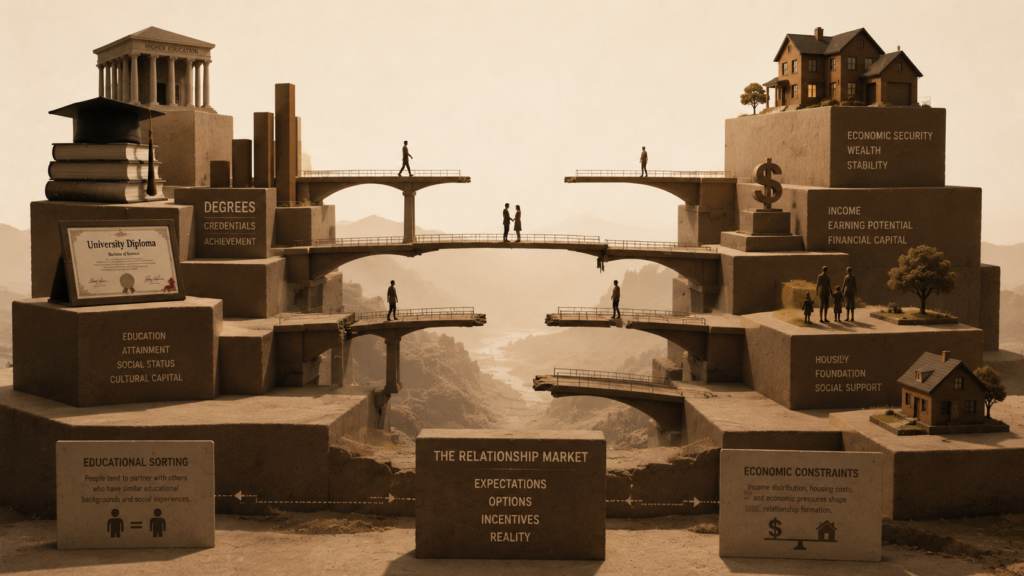
Modern relationships are increasingly shaped by forces beyond individual preference. Educational attainment, income distribution, housing costs, and social mobility all influence who meets, who partners, and who marries. The growing economic dating divide is less about personal choices and more about the structural realities shaping modern relationship markets.
Public safety technology begins as a tool. Over time, it can become infrastructure. The question is not whether these systems work. The question is how they are governed once they become difficult to avoid.