
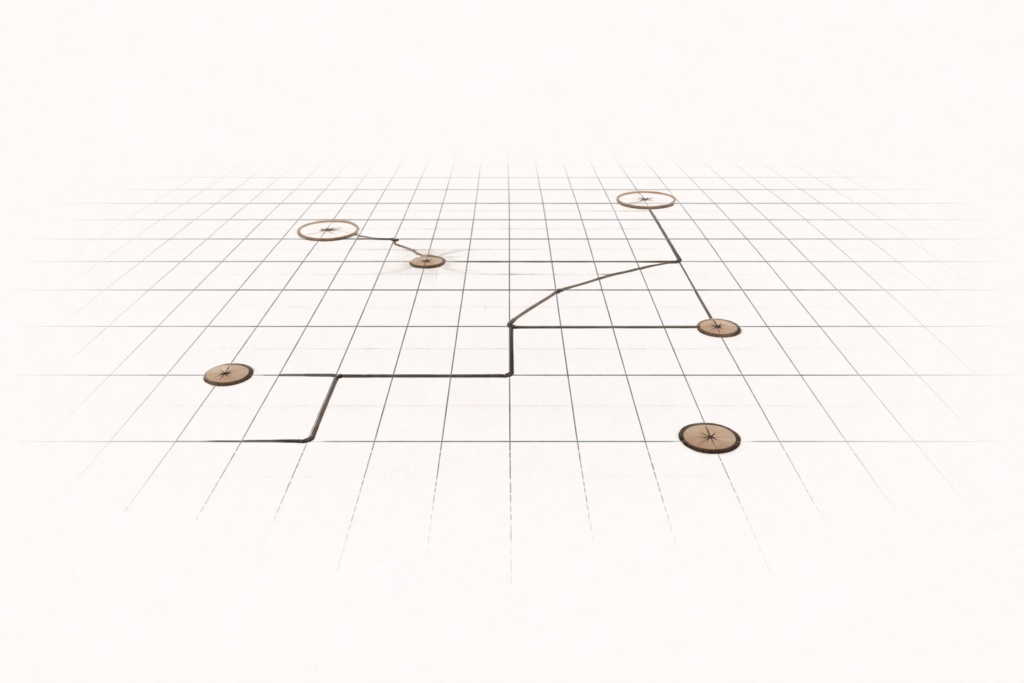
Today’s Blueprint: Remove the Friction
Systems rarely fail because they are impossible. They fail because friction slowly interrupts repetition. Today’s Blueprint explains why removing resistance stabilizes performance.
About Today’s Blueprint
Today’s Blueprint is the operating system for steadiness.
It is the quiet discipline that keeps a life aligned when the world tilts.
It turns reflection into infrastructure and routine into advantage.
This space exists to anchor your day before the day decides its direction.
Every entry is a small design choice: one sentence of clarity, one action that protects momentum,
one reminder that order is not a personality trait. It is a strategy.
Today’s Blueprint works on a simple premise: structure compounds.
When you build the same habits at the same time every day, your life becomes predictable in the ways that matter
and flexible in the ways that count. You stop negotiating with distraction. You stop outsourcing discipline.
You start moving with intention that shows up everywhere else: finances, relationships, health, leadership.
Each daily entry follows a repeatable framework:
a core idea, a practice for yourself, a gesture for someone else, a financial micro move,
and one loop you close before the day ends.
This rhythm keeps the pace steady and the standard high.
No performance. No noise. Just the architecture of a stable life built one aligned decision at a time.
Today’s Blueprint is the heartbeat of Groundwork Daily.
It sits beneath every pillar, principle, and long form reflection across the ecosystem.
It is where discipline becomes culture and structure becomes freedom.
Build better. Every day.
Systems rarely fail because they are impossible. They fail because friction slowly interrupts repetition. Today’s Blueprint explains why removing resistance stabilizes performance.
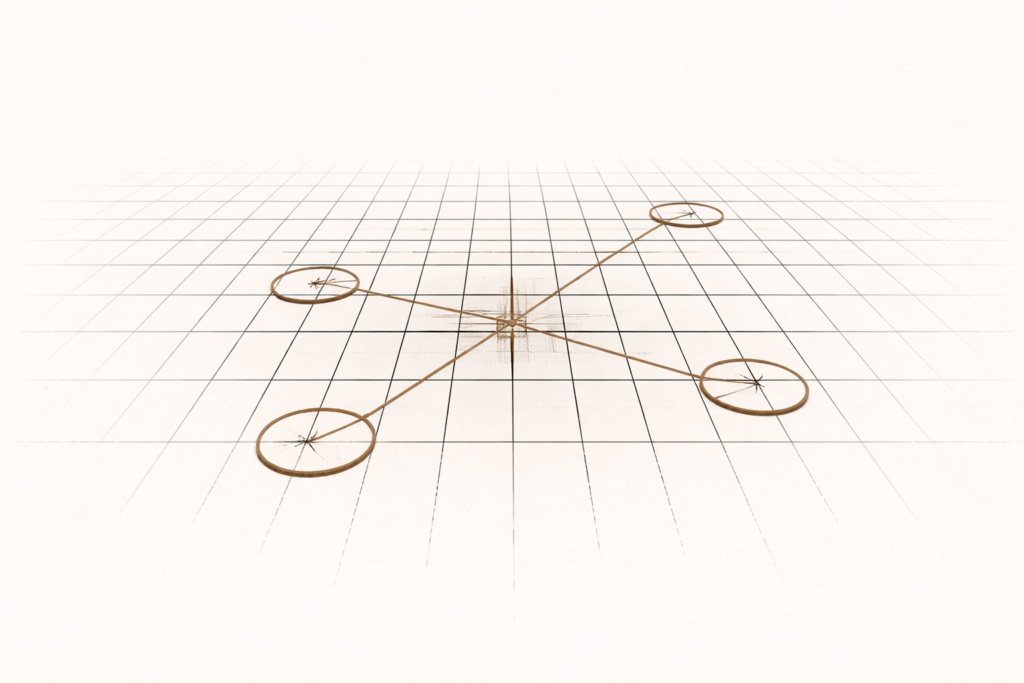
Systems rarely fail suddenly. They drift until someone audits the structure. Today’s Blueprint explains why disciplined inspection keeps systems stable and prevents quiet collapse.
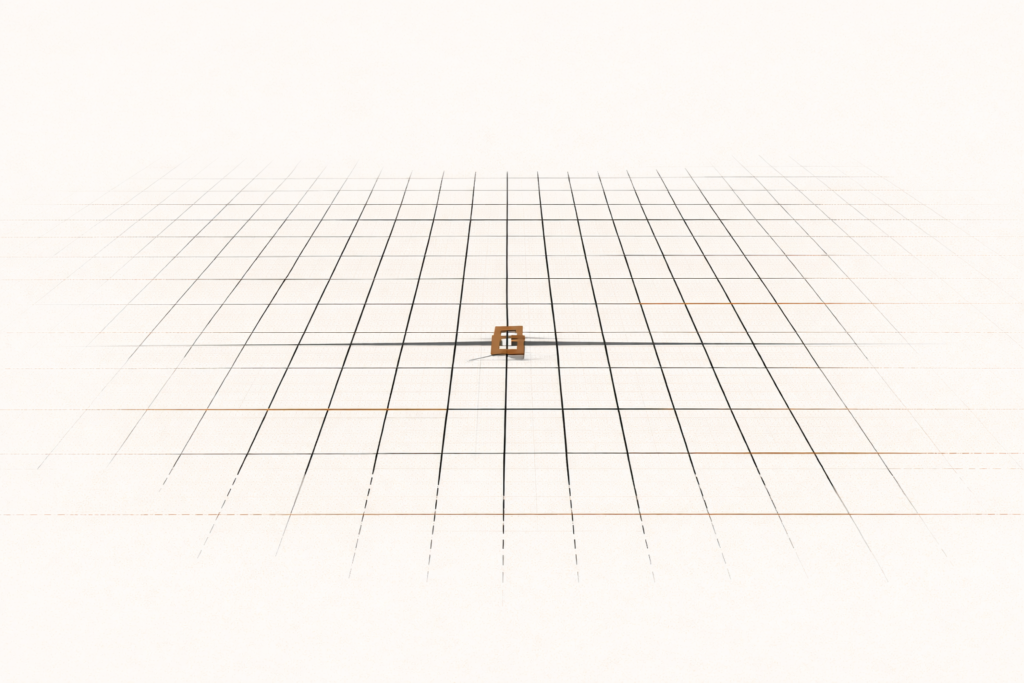
Systems weaken when standards exist only on paper. Reinforcing a standard keeps expectations clear, prevents drift, and stabilizes the entire structure before small failures multiply.
Most systems do not break suddenly. They drift. Small behavioral shifts repeat until the original standard disappears. Discipline is the act of noticing drift early and restoring alignment before the system weakens.
Most systems do not collapse from rebellion. They collapse when small loopholes multiply until the standard quietly disappears.
A system does not fail when a rule is written. It fails when the rule is ignored. Consistent enforcement is what turns standards into structure.
Systems fail when standards become unclear. Remove ambiguity from systems so expectations stay visible, consistent, and strong enough to hold the structure together.
Disciplined systems are not sustained by rules alone. They survive through repeatable patterns that turn standards into predictable structure over time.
Standards restore order, but boundaries protect them. Without clear boundaries, systems drift back into instability.
Systems rarely fail all at once. They drift when standards quietly disappear. Restore the standard and the structure begins to stabilize again.
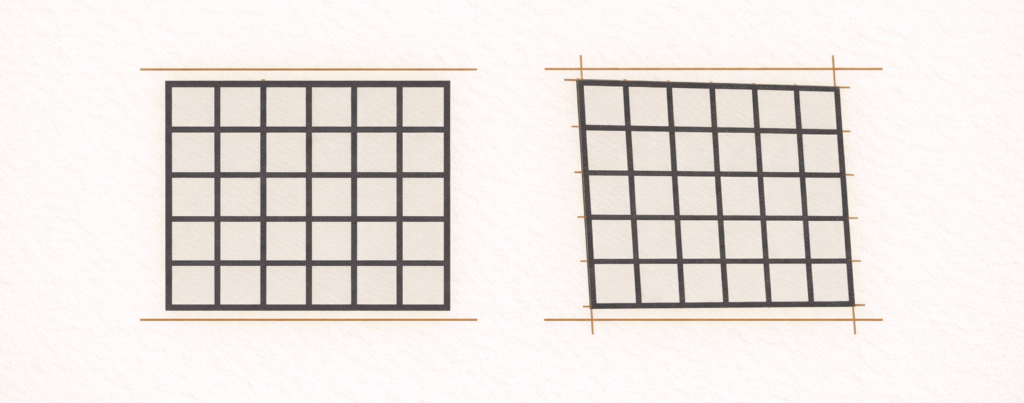
Exceptions quietly dismantle systems. Once rules bend for convenience, standards lose authority. Stability requires consistency, not discretion.
Exceptions quietly dismantle systems. Once rules bend for convenience, standards lose authority. Stability requires consistency, not discretion.