
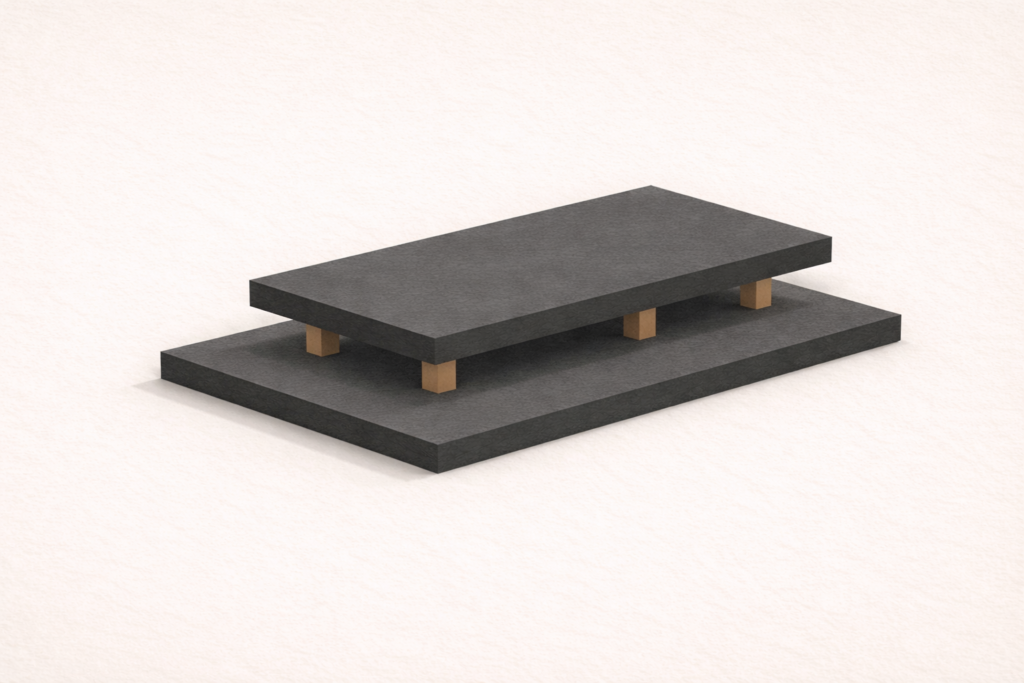
Today’s Blueprint: Raise the Minimum
Systems rarely collapse because people lack effort. They collapse because the minimum standard is too low. When the baseline rises, stability becomes the default instead of the exception.

About Today’s Blueprint
Today’s Blueprint is the operating system for steadiness.
It is the quiet discipline that keeps a life aligned when the world tilts.
It turns reflection into infrastructure and routine into advantage.
This space exists to anchor your day before the day decides its direction.
Every entry is a small design choice: one sentence of clarity, one action that protects momentum,
one reminder that order is not a personality trait. It is a strategy.
Today’s Blueprint works on a simple premise: structure compounds.
When you build the same habits at the same time every day, your life becomes predictable in the ways that matter
and flexible in the ways that count. You stop negotiating with distraction. You stop outsourcing discipline.
You start moving with intention that shows up everywhere else: finances, relationships, health, leadership.
Each daily entry follows a repeatable framework:
a core idea, a practice for yourself, a gesture for someone else, a financial micro move,
and one loop you close before the day ends.
This rhythm keeps the pace steady and the standard high.
No performance. No noise. Just the architecture of a stable life built one aligned decision at a time.
Today’s Blueprint is the heartbeat of Groundwork Daily.
It sits beneath every pillar, principle, and long form reflection across the ecosystem.
It is where discipline becomes culture and structure becomes freedom.
Build better. Every day.
Systems rarely collapse because people lack effort. They collapse because the minimum standard is too low. When the baseline rises, stability becomes the default instead of the exception.
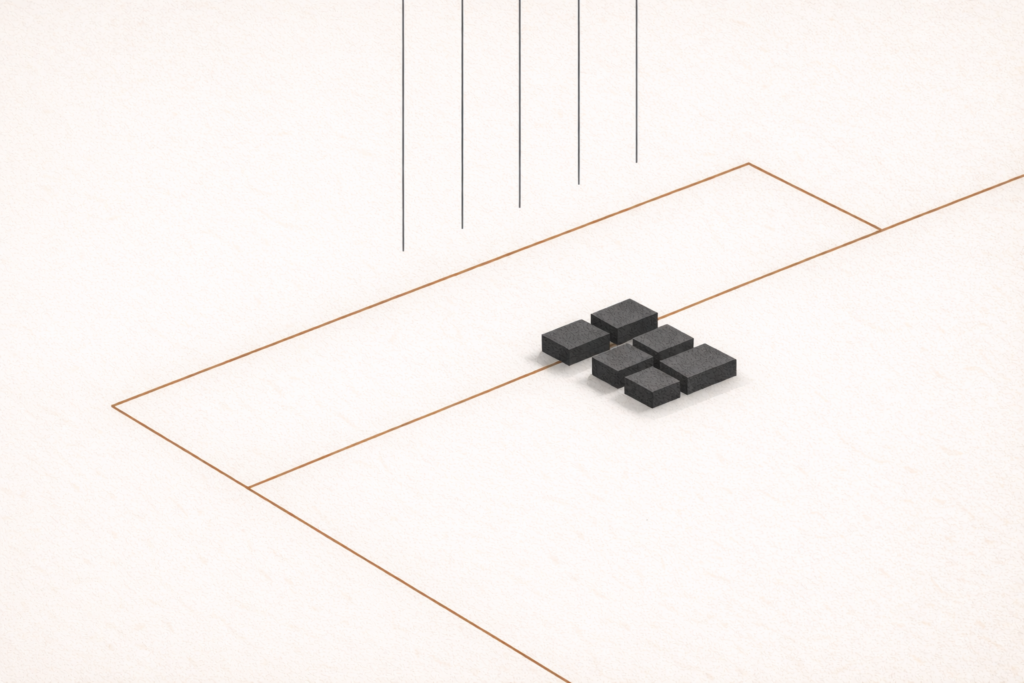
Compressed response windows reward emotion. Expanded response windows reward clarity. Install a minimum delay today.
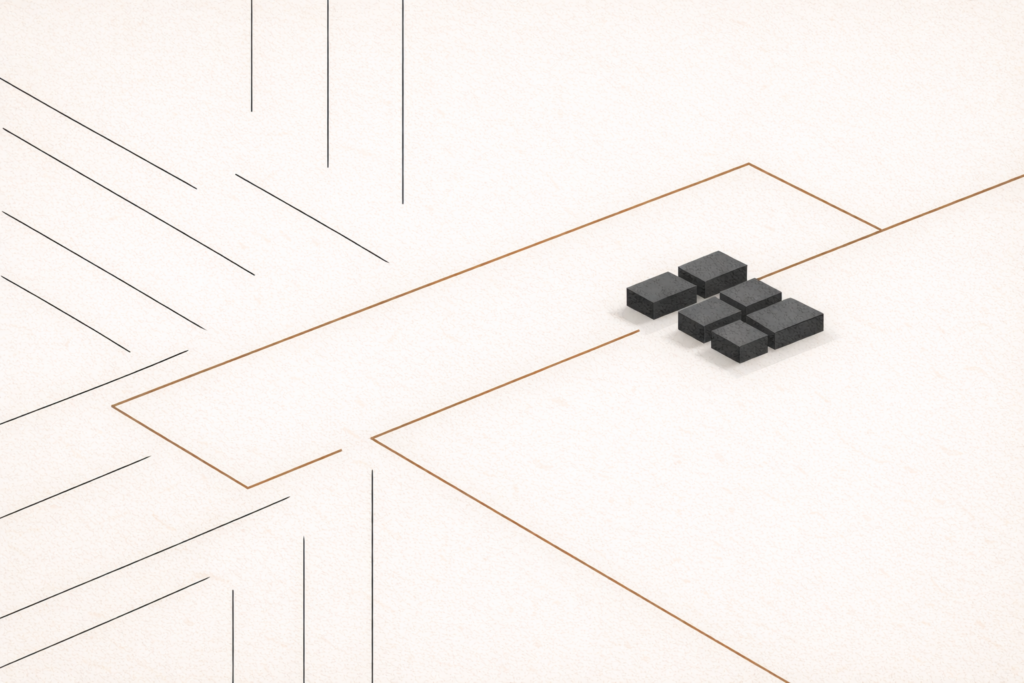
Threshold failure begins when everything is allowed inside without evaluation. Discipline starts with controlled entry.
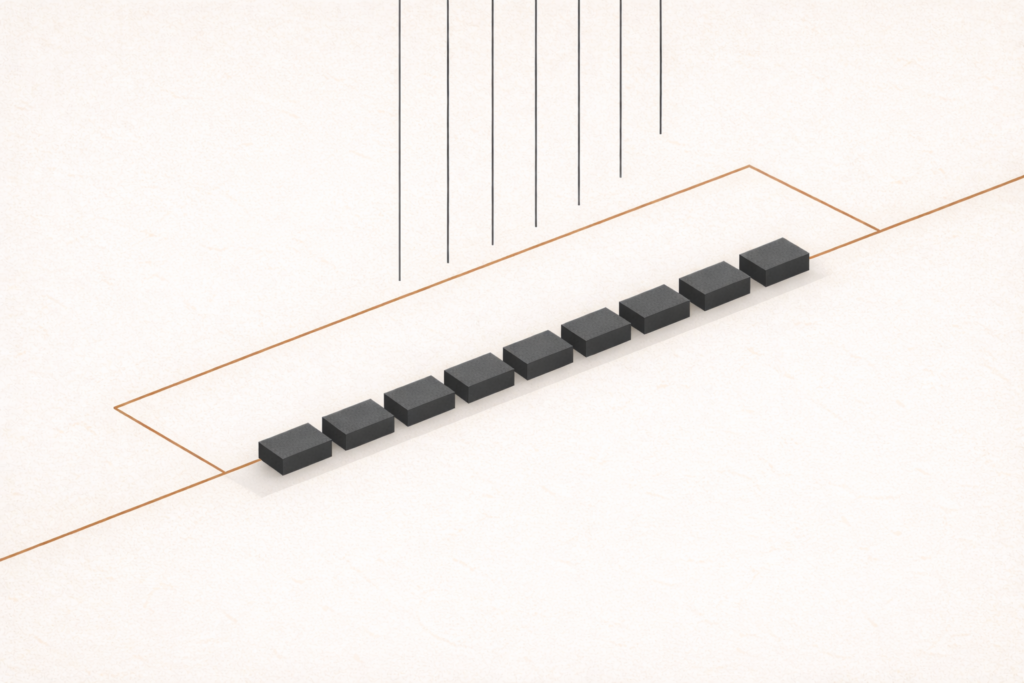
Urgency bias rewards reaction and punishes reflection. Protect decision space before noise displaces strategy.
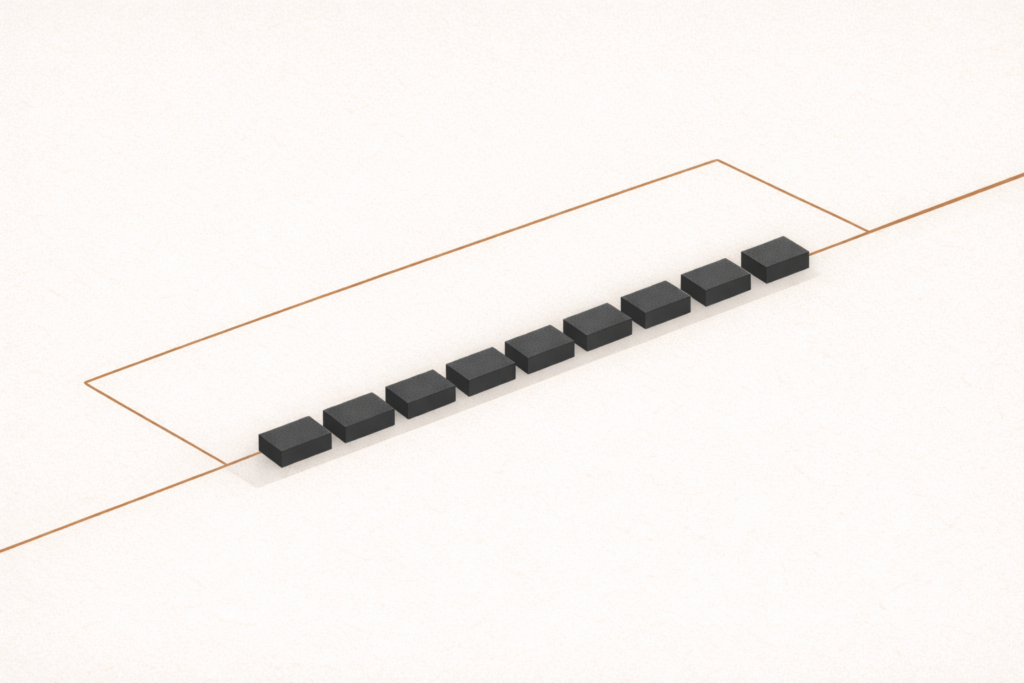
Margin absorbs friction. When it disappears, fragility replaces strength. Protect recovery space before pressure exposes the weakness.
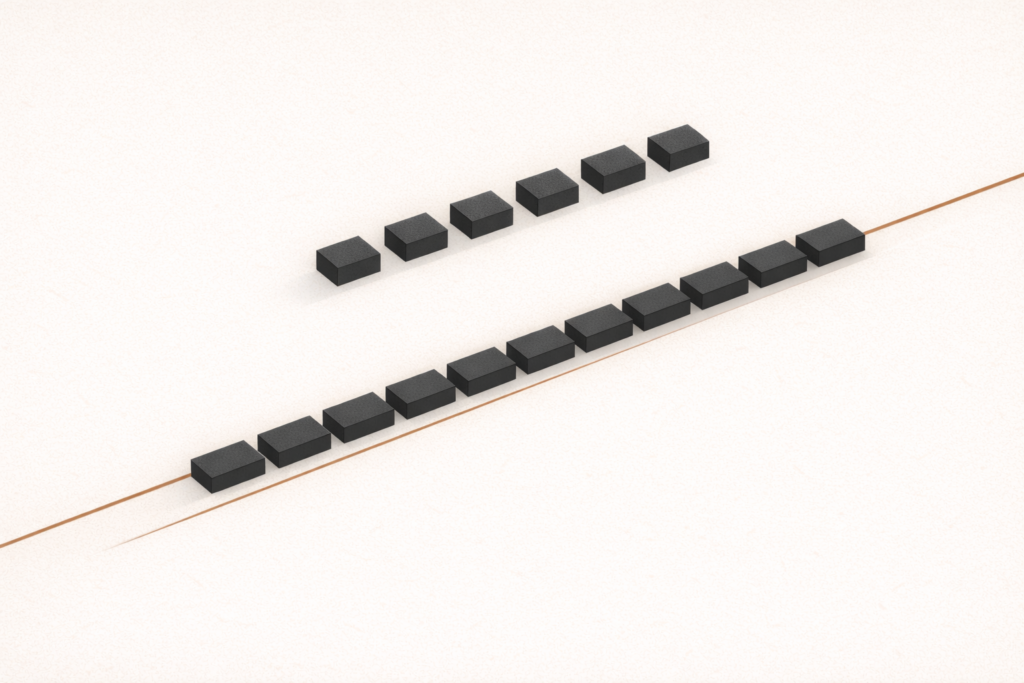
Strength is preserved by respecting defined capacity. Excess load does not signal growth. It signals drift. Stability requires disciplined refusal.
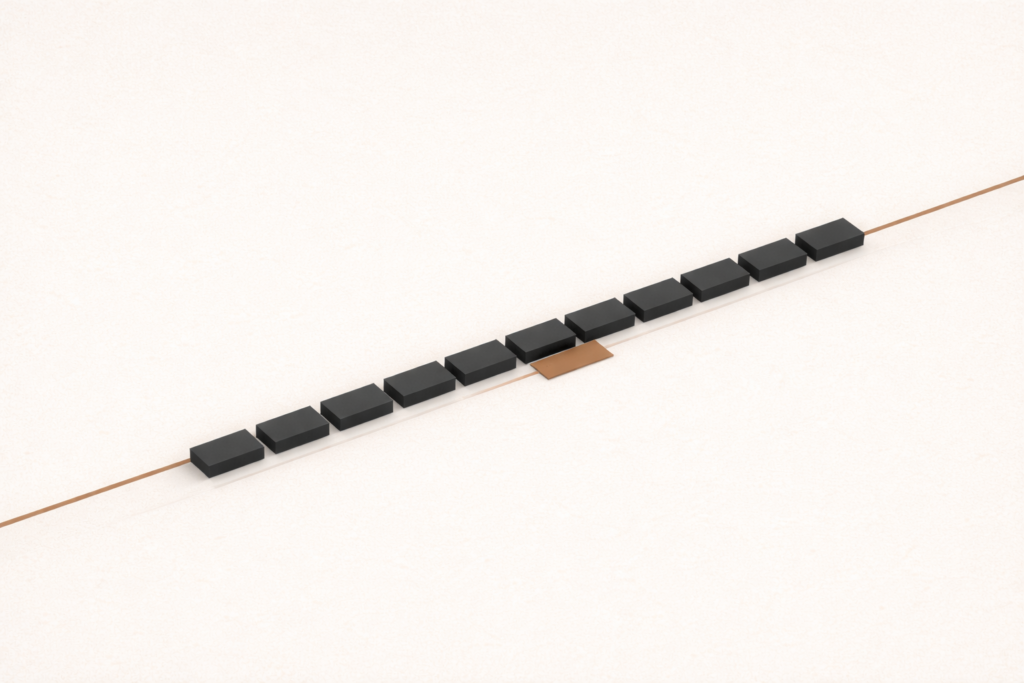
Alignment restores order. Reinforcement preserves it. Strength is not installed during chaos — it is added after standards hold. Remove drift first. Then harden what remains.
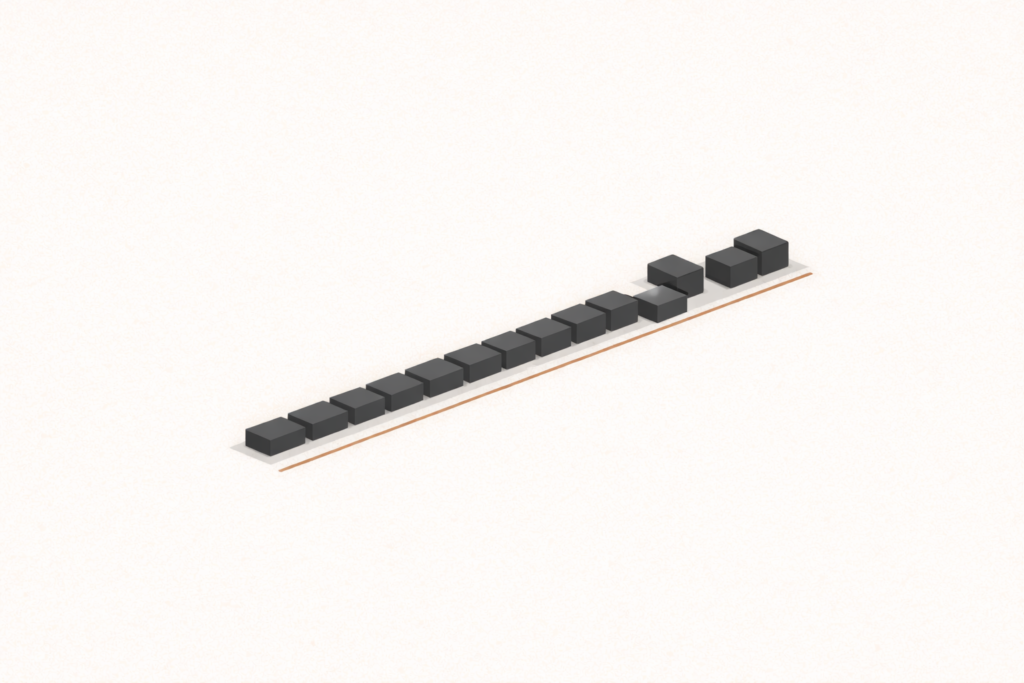
Negotiation is how standards drift. Remove the negotiation and keep one internal rule line that does not move.
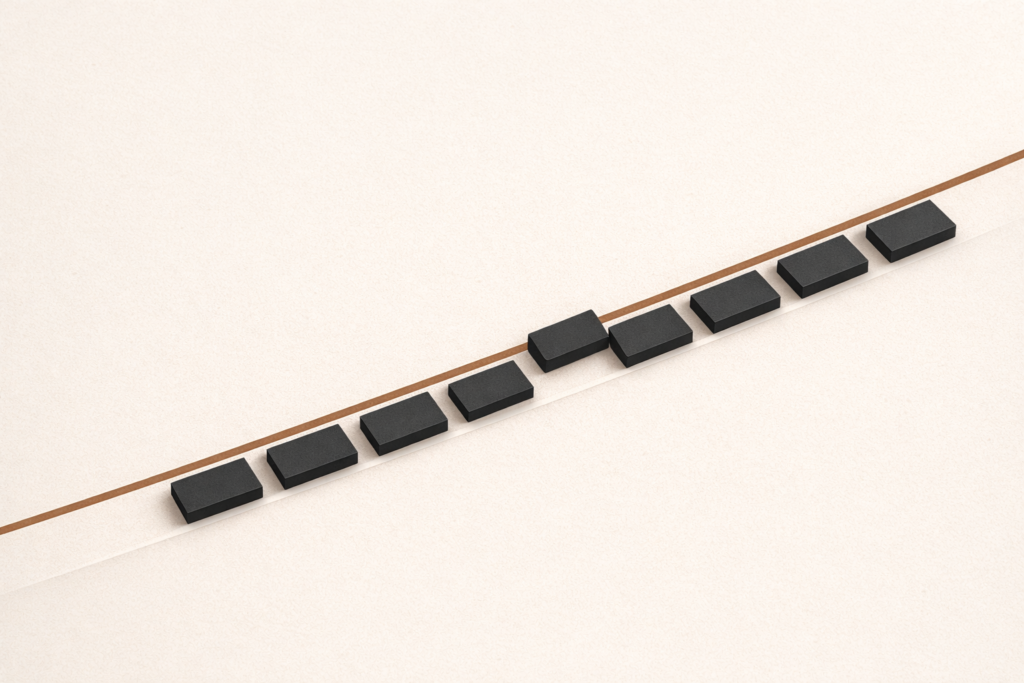
Exceptions weaken standards. Remove the exception and restore structural consistency before small deviations become system failure.
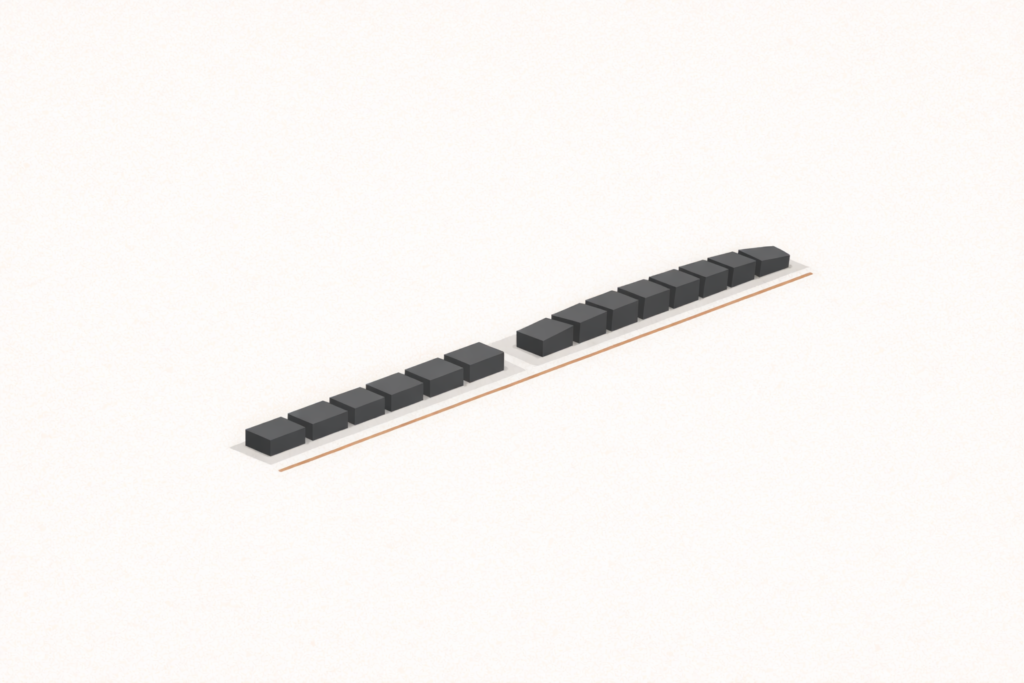
Overcommitment looks productive but functions as structural strain. Sustainable systems operate within load limits, not beyond them.
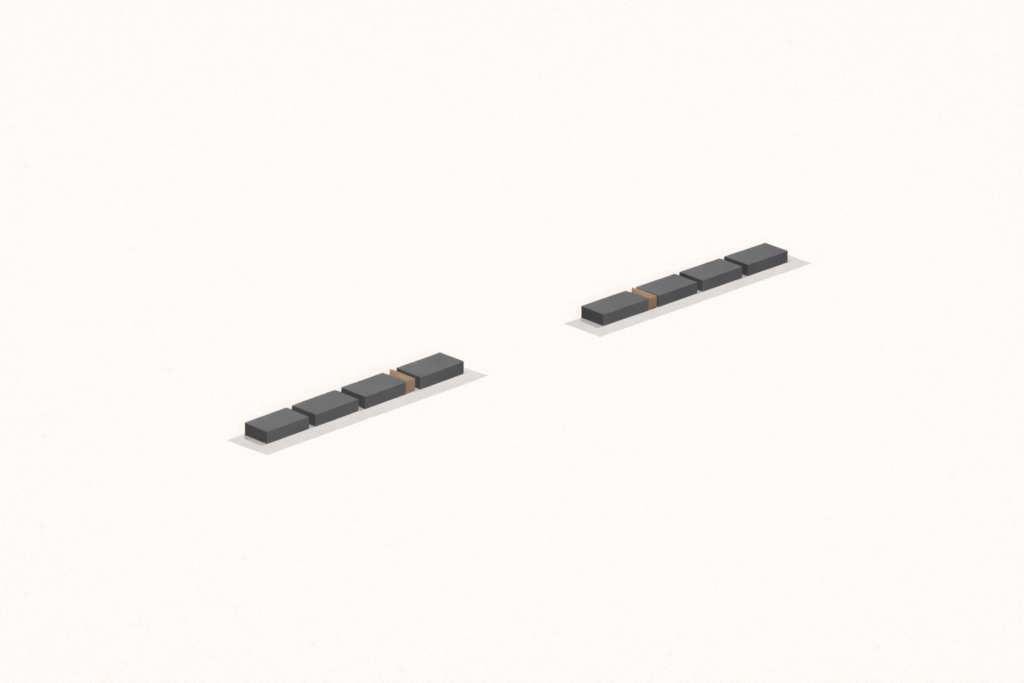
Weak points do not become strong through attention. Remove the weak point and let the system stabilize through redistributed load.
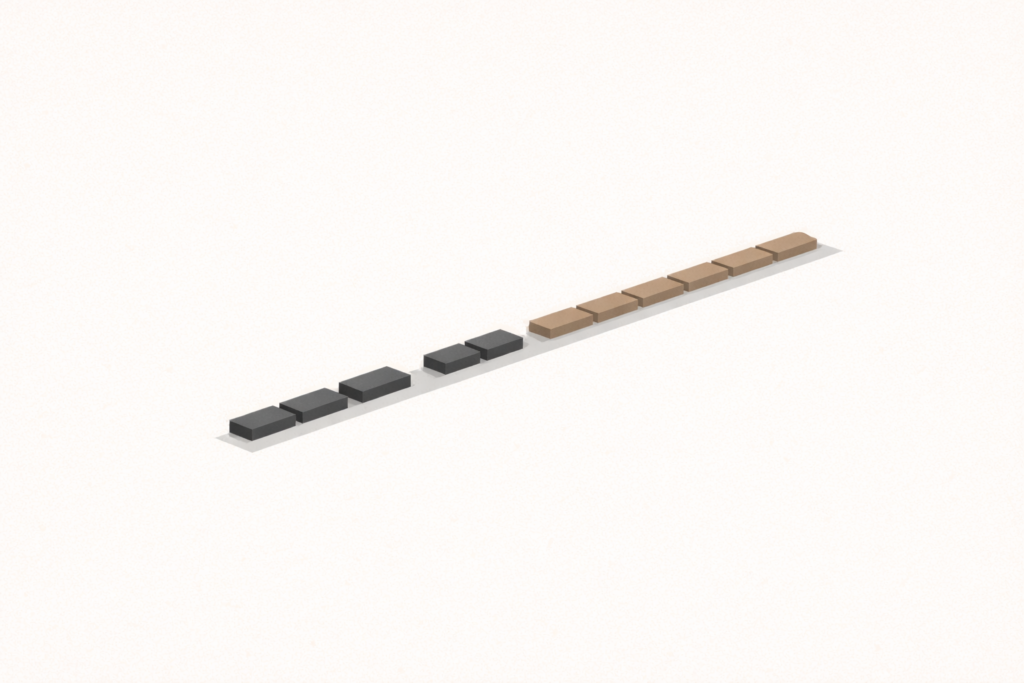
When mood determines output, stability collapses. Remove the mood standard and execute from principle instead of feeling.