

Soft Life Discipline: Your Soft Life Needs a Hard Hat
Soft life discipline is what separates real ease from an expensive aesthetic. A calmer life needs systems for money, time, sleep, boundaries, and responsibility before the candle gets lit.
Soft life discipline is what separates real ease from an expensive aesthetic. A calmer life needs systems for money, time, sleep, boundaries, and responsibility before the candle gets lit.
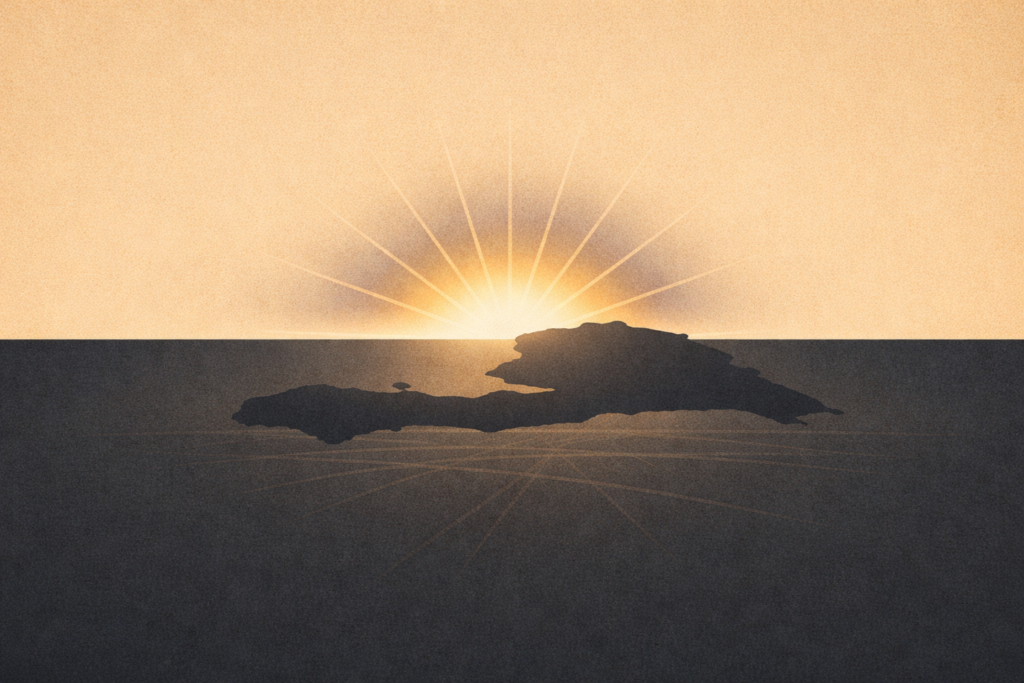
In 1804, Haiti became the first Black nation to gain independence, redefining freedom and nationhood while exposing the global cost of liberation without protection.
Every home has one room that absorbs more than its share. This House Rhythm explores how that space quietly holds you together.
Happiness builds internal stability. Joy brings that stability into shared experience. When understood together, they form a system that supports both personal clarity and meaningful connection without collapse.
You treat practice as preparation.
But it is actually the system that produces results.
Clear conditions are not emotional highs. They are periods of stable visibility, balanced judgment, and sustainable readiness. Learn how to recognize clarity, protect it, and avoid confusing capacity with surplus.
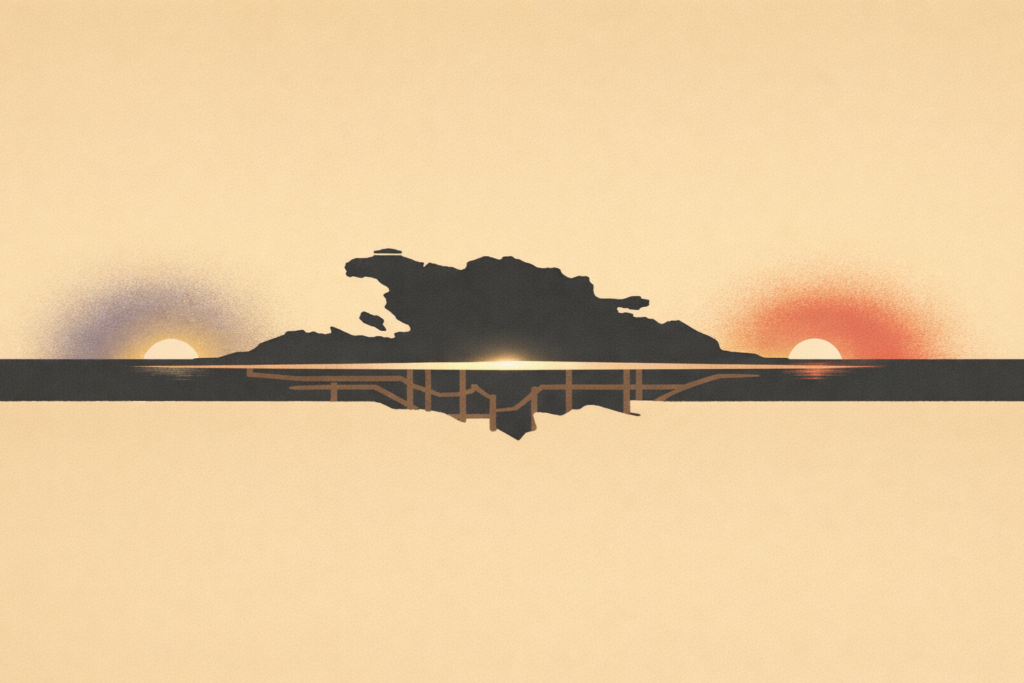
Two independence movements emerged from the same island in 1804 and 1844. Haiti and the Dominican Republic followed different paths to freedom, revealing how sovereignty survives not through separation alone, but through shared structure and cooperation.