When Accountability Feels Like Control
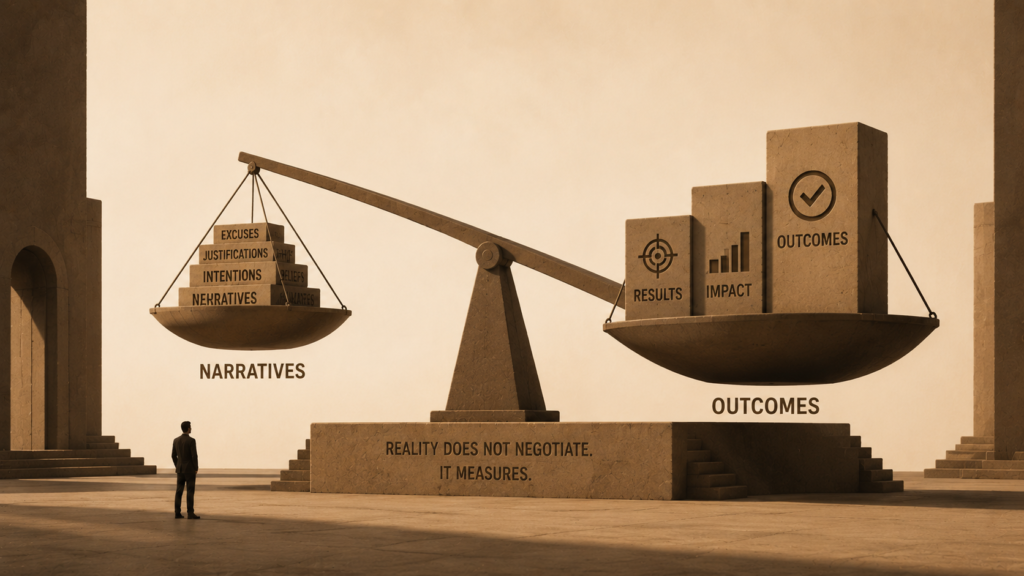
Accountability often feels like control when past experience distorts perception. This post explains the difference between structure and dominance, and how to recognize healthy accountability.
Foundational principles that define the Groundwork Daily philosophy. Each pillar offers perspective on discipline, community, creativity, and sustainability in personal growth.
Accountability often feels like control when past experience distorts perception. This post explains the difference between structure and dominance, and how to recognize healthy accountability.
Your system is not failing all at once. It is failing in signals. Learn the 5 early signs before breakdown becomes collapse.
Accountability does not fail all at once. It breaks down in stages, from drift to collapse, creating friction, confusion, and loss of trust.
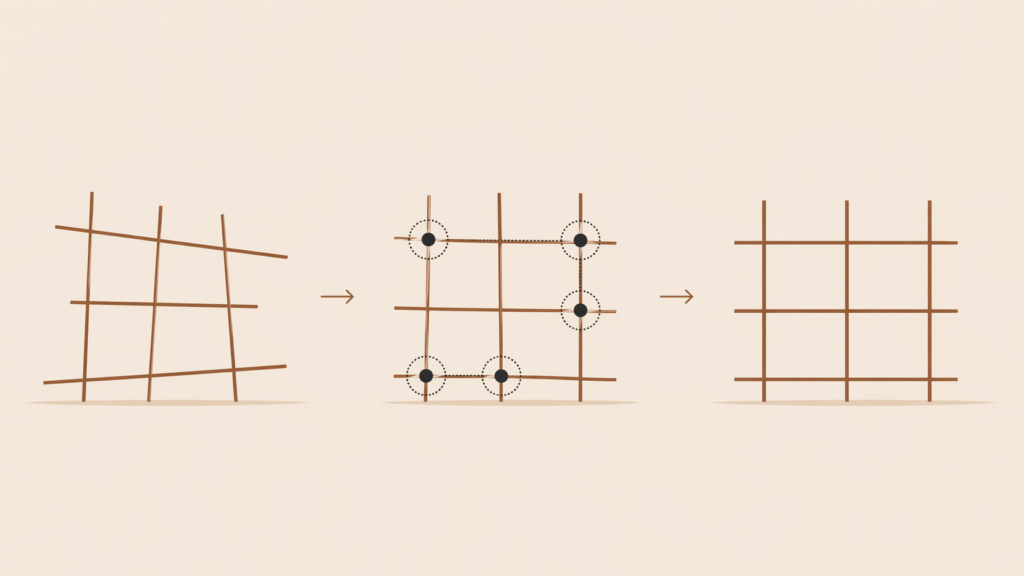
Consistency is not built through intensity. It is built through alignment over time. When actions stabilize into repeatable patterns, trust begins to form. What looks like discipline is often just structure held long enough to become predictable.
April does not usually destroy discipline in one dramatic moment. It exposes the small permissions, softened standards, and comfort drift that were already taking hold.
Most people think global solidarity is built on shared struggle. It is not. It is built on shared utility. Narratives align when incentives align. If you do not understand the incentives behind the message, you are not seeing the system. You are reacting to the surface.
Structure is mercy because it protects your life from avoidable chaos. This principle explains how disciplined systems reduce confusion, preserve capacity, and create stability that can hold weight.
For decades the economy rewarded credentials over capability. That era is quietly ending. Skilled trades, apprenticeships, and practical craftsmanship are returning to the center of economic life as labor shortages and infrastructure demands reshape the workforce.
False equivalence forces unequal ideas to appear balanced. It removes context, weakens accountability, and turns real differences into surface-level debate. This breakdown explains why flawed comparisons distort public discourse and decision-making.
The phrase “black fatigue” is being used to describe two completely different experiences. One is structural. The other is conversational. When language collapses, the discussion fails. This post separates the concepts and establishes how the conversation should actually happen.
Why economic capital determines equality is one of the most overlooked forces in history. Laws can promise opportunity, but without land, ownership, or financial capital, equality often remains symbolic rather than structural.
Pre-entry alignment prevents conflict by setting clear terms before participation begins. Strong systems define expectations early so pressure does not have to define them later.