

Quiet Power: The Long-Term Dividend of Discipline
Quiet Power is long-term strategy disguised as calm. When the noise fades, the real dividend is not applause, but systems strong enough to keep you out of emergency mode.

Quiet Power is long-term strategy disguised as calm. When the noise fades, the real dividend is not applause, but systems strong enough to keep you out of emergency mode.

The Family Stability Framework explains how policy, preparation, and disciplined planning strengthen families and reduce long-term instability.

Stability is built one deliberate choice at a time. Today’s Blueprint strengthens your structure through calm action, shared steadiness, and one small act of order that prepares you for the next push.

Gratitude strengthens clarity by shifting your focus from pressure to progress. This Blueprint invites you to notice what supports you and name it with intention.

Comfort systems form when ease becomes more valuable than accuracy. This post explains the civic price of replacing correction with affirmation.

Stability is not accidental. It is constructed through alignment, shared responsibility, and disciplined reinforcement. When pillars stand evenly spaced and properly anchored, the structure holds. Governance, like architecture, succeeds when each supporting column carries its load without distortion.

Protecting your energy is a discipline that shapes every outcome you touch. When you guard your attention, your life gains clarity, steadiness, and endurance.

Learn a hammer skill in 30 days using structure, repetition, and feedback. Stop chasing vague growth. Build skills that produce real, measurable results.

Progress that lasts is built slowly. Trust the pace that protects your foundation and strengthens your future.

The Family Stability Series breaks down how policy, culture, and preparation shape real household outcomes. From myth to structure, it shows why stability must be built before pressure arrives.

Change exposes your systems. Grace under change is the art of adjusting without losing structure—bending without breaking,
re-centering without collapsing, and staying rooted while everything shifts.
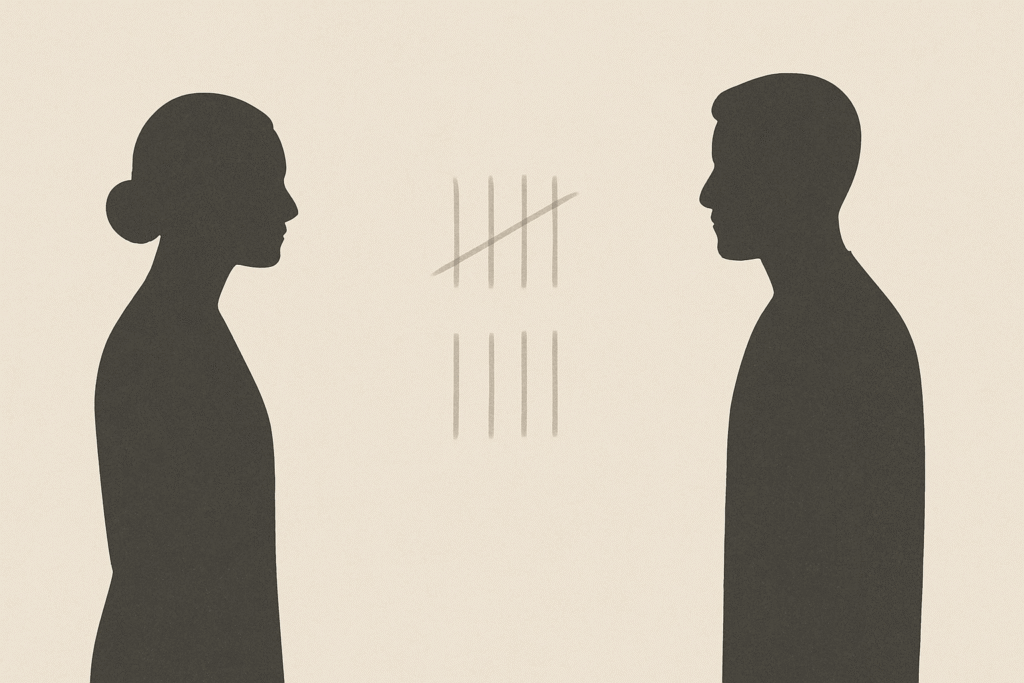
“Body count” became a cultural scorecard because numbers feel easier than character. When old norms collapsed, measurement rushed in to fill the gap. This piece breaks down why we reduce intimacy to data and what that habit misses about dignity, discipline, and real accountability.