
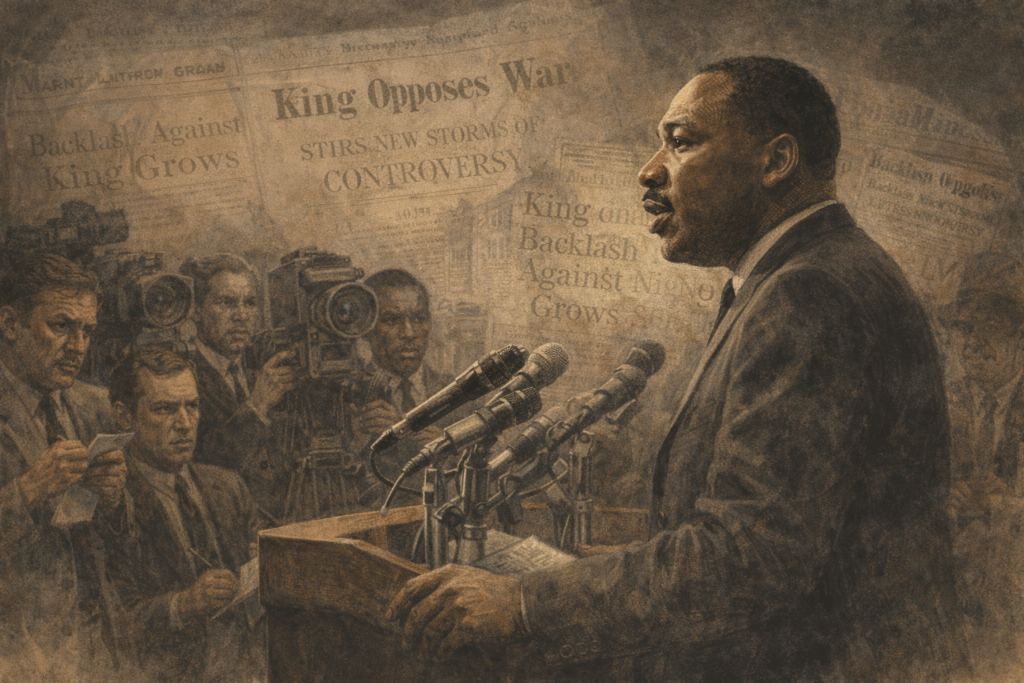
Why King Became More Dangerous After 1965
After 1965, Martin Luther King Jr expanded his fight from civil rights to war, poverty, and economic inequality. That shift triggered a powerful media and political backlash.

After 1965, Martin Luther King Jr expanded his fight from civil rights to war, poverty, and economic inequality. That shift triggered a powerful media and political backlash.
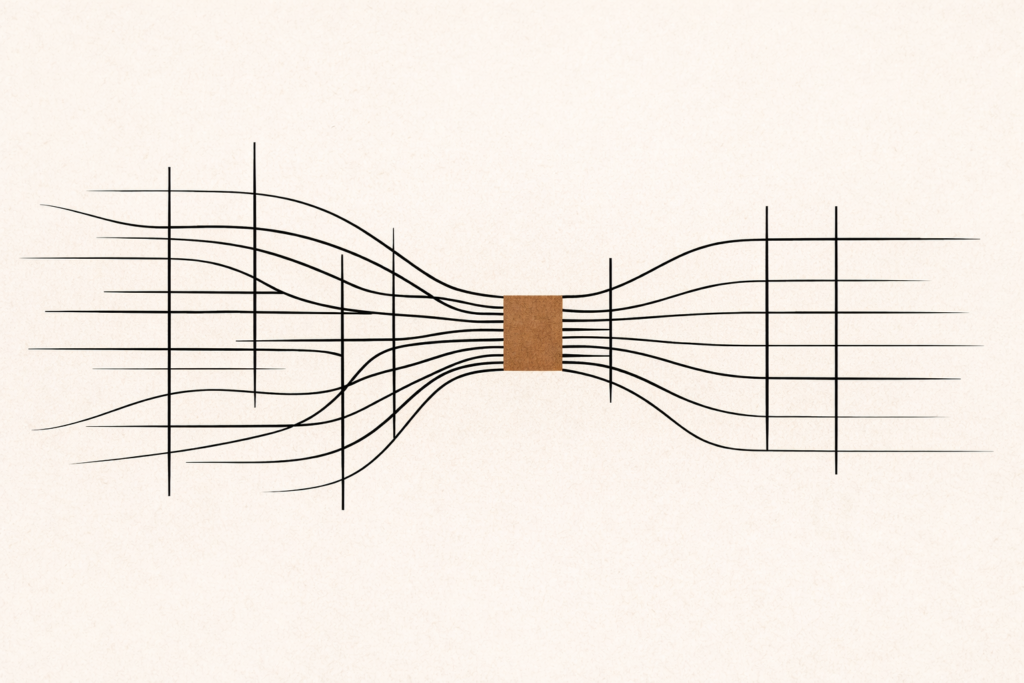
Every stalled system has a bottleneck. Progress slows not because effort is missing, but because one step cannot keep pace with the others. Today’s Blueprint focuses on identifying the constraint that quietly limits momentum.
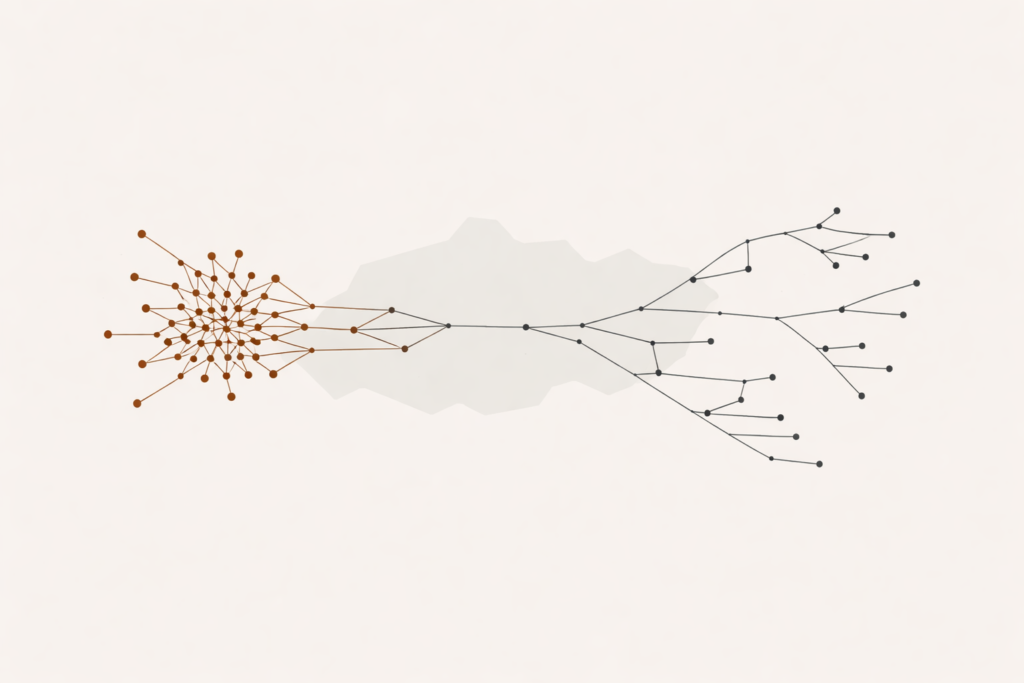
What causes migration? Migration is driven by economic pressure, policy signals, and system instability. Movement follows structured conditions, not random events.
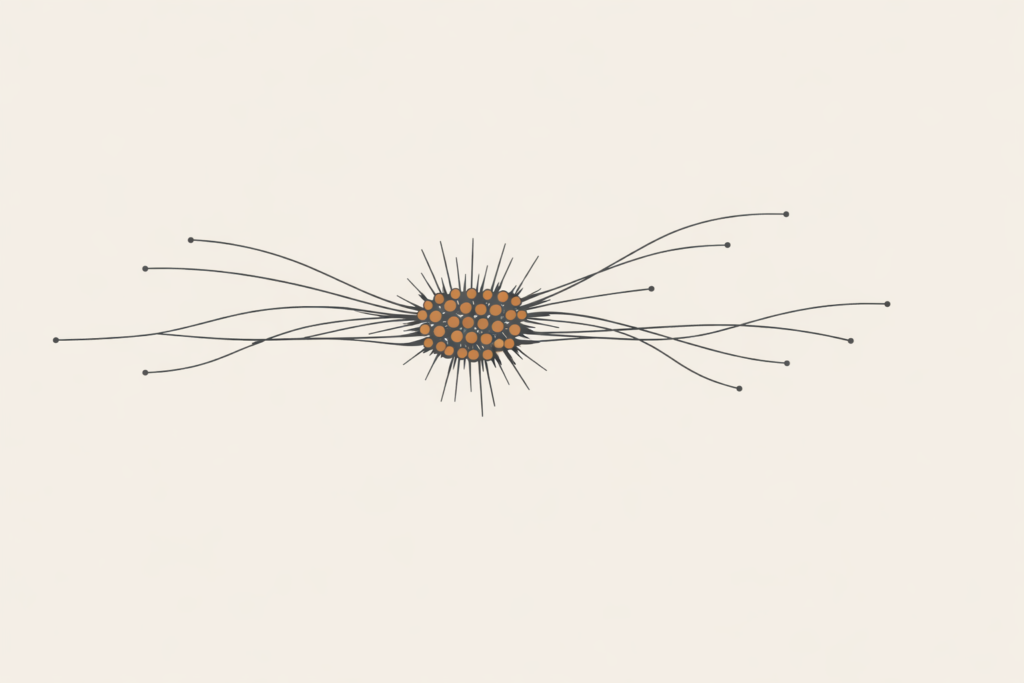
People migrate when systems stop providing stability. Economic pressure builds, opportunities shrink, and movement becomes a structured response to declining conditions.

Not all responsibility announces itself. Some weight is carried quietly—through consistency, reliability, and structure—long before anyone notices it was there at all.
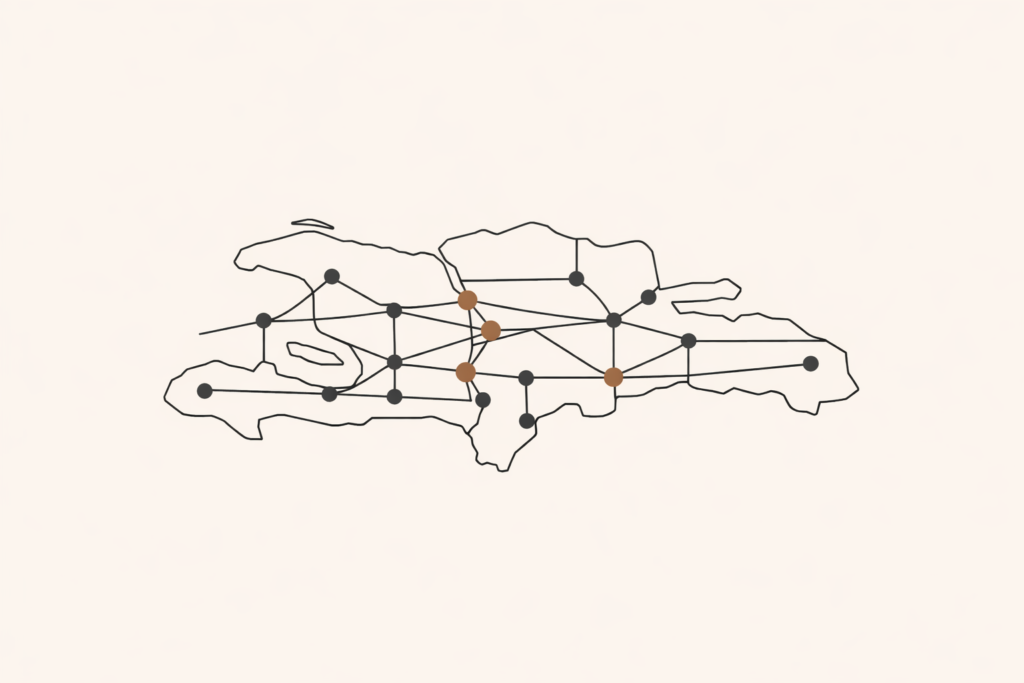
Migration pressure is not a border issue. It is a systems imbalance. This breakdown explains why movement happens and why policy alone cannot stop it.
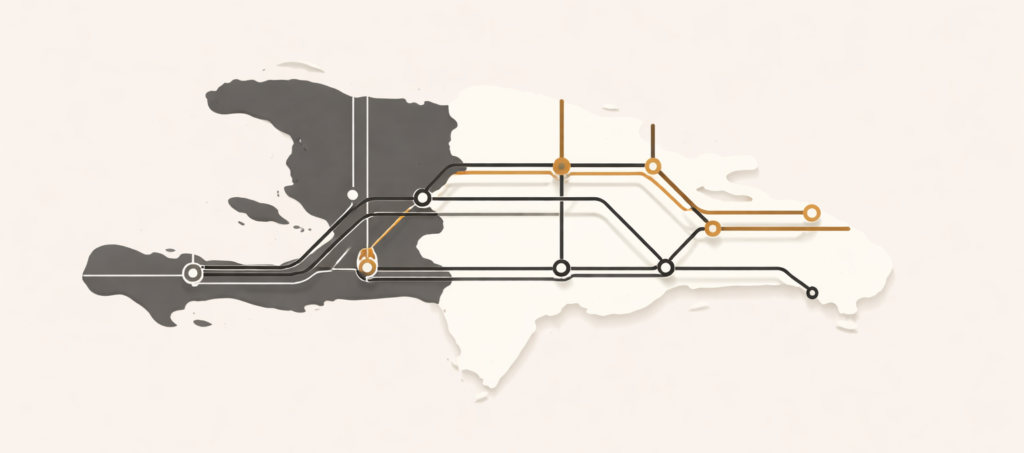
Two governance systems operating on the same landmass create friction, constraint, and inefficiency. This diagram visualizes how misaligned systems produce pressure points instead of stability.

Stability before speed protects systems from avoidable failure. When processes accelerate before the structure is ready, mistakes multiply. Today’s Blueprint explains why disciplined systems stabilize first and move faster later.

Repetition shapes perception more than truth. What you see most often starts to feel real, even when it is not.

The thinking laws framework explains how structured thinking improves decision making systems and prevents failure caused by unclear thinking and weak structure.
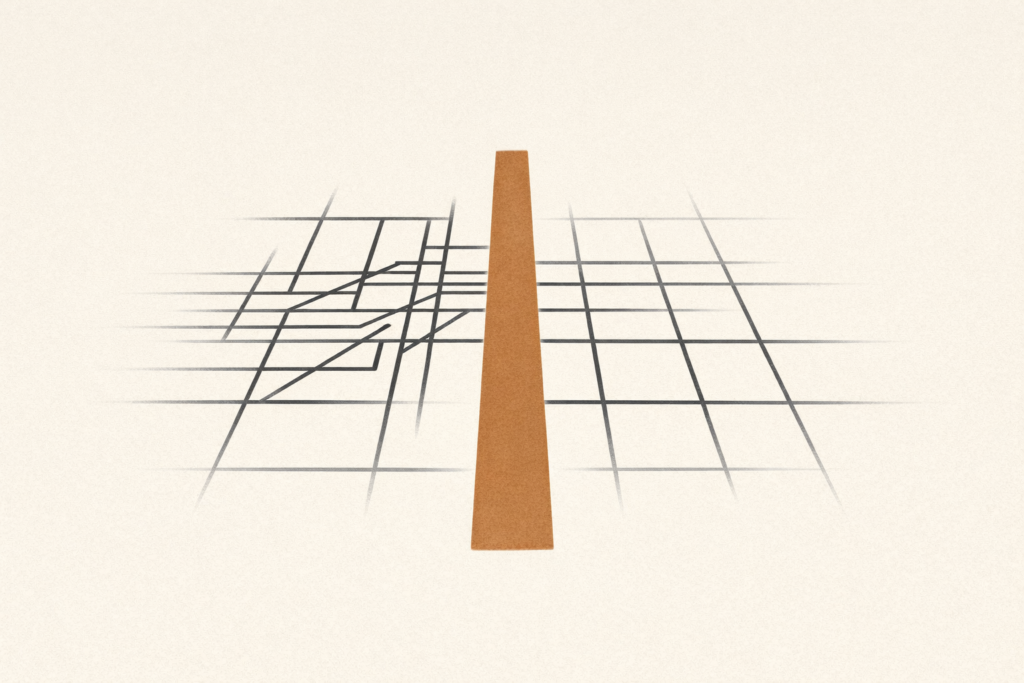
Decision friction slows execution more than lack of effort. When every step requires another choice, systems stall and energy drains. Removing unnecessary decisions restores flow and stabilizes daily systems.
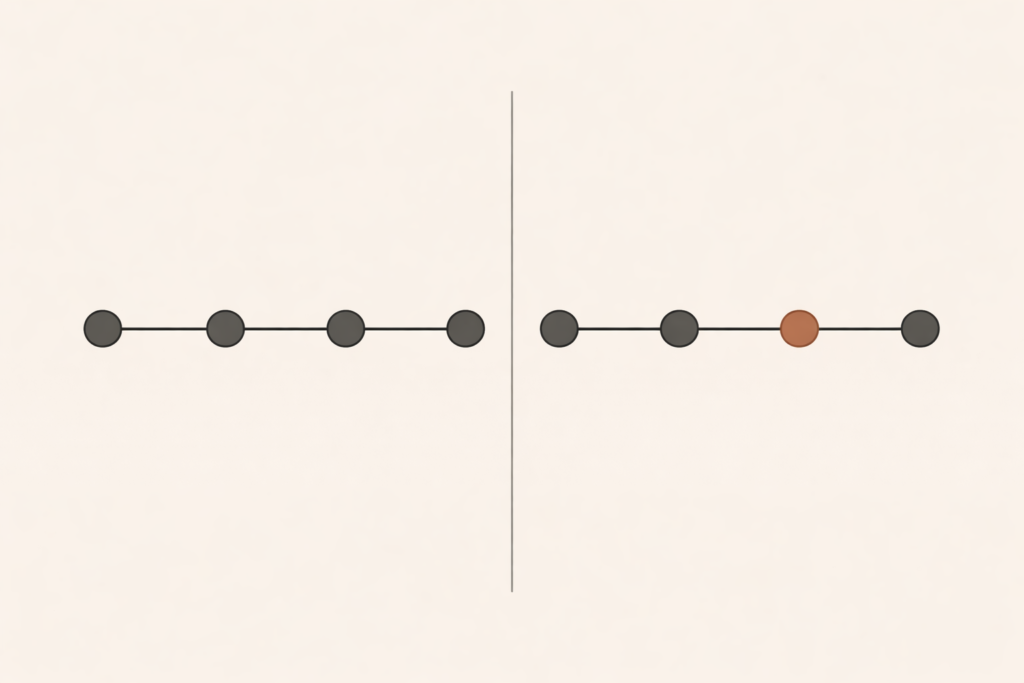
When a missing person report is filed, one of the most consequential decisions made by law enforcement is classification. The case is typically categorized as either “runaway,” “endangered,” or “abducted.” That classification affects resource allocation, alert eligibility, and inter-agency escalation.