

Today’s Blueprint: Close the Loophole
Most systems do not collapse from rebellion. They collapse when small loopholes multiply until the standard quietly disappears.

Most systems do not collapse from rebellion. They collapse when small loopholes multiply until the standard quietly disappears.

What does the “bootless man” quote mean? Martin Luther King Jr used this powerful metaphor to explain why opportunity without resources can become a cruel contradiction.

A system does not fail when a rule is written. It fails when the rule is ignored. Consistent enforcement is what turns standards into structure.

Systems fail when standards become unclear. Remove ambiguity from systems so expectations stay visible, consistent, and strong enough to hold the structure together.

Crime stories now move through an online ecosystem where commentary channels, algorithms, and audience incentives transform events into competing narratives.

First date mistakes are rarely dramatic. Small signals—posture, tone, overperformance—can lower attraction before you realize it. Stability and composure carry more weight than spectacle.

Standards collapse quietly.
Not through one large failure, but through small permissions that slowly lower the bar.
A boundary is ignored.
A shortcut is tolerated.
A pattern repeats without correction.
Over time the structure adjusts downward to match the behavior that is allowed.
Restoring the standard requires reversing that process.
One correction.
One boundary.
One clear expectation enforced again.
Structure does not recover through motivation.
It recovers through consistency.

Wondering what to wear on a coffee date? Casual does not mean careless. A first coffee date outfit should signal composure, alignment, and effort without exaggeration.

Standards restore order, but boundaries protect them. Without clear boundaries, systems drift back into instability.
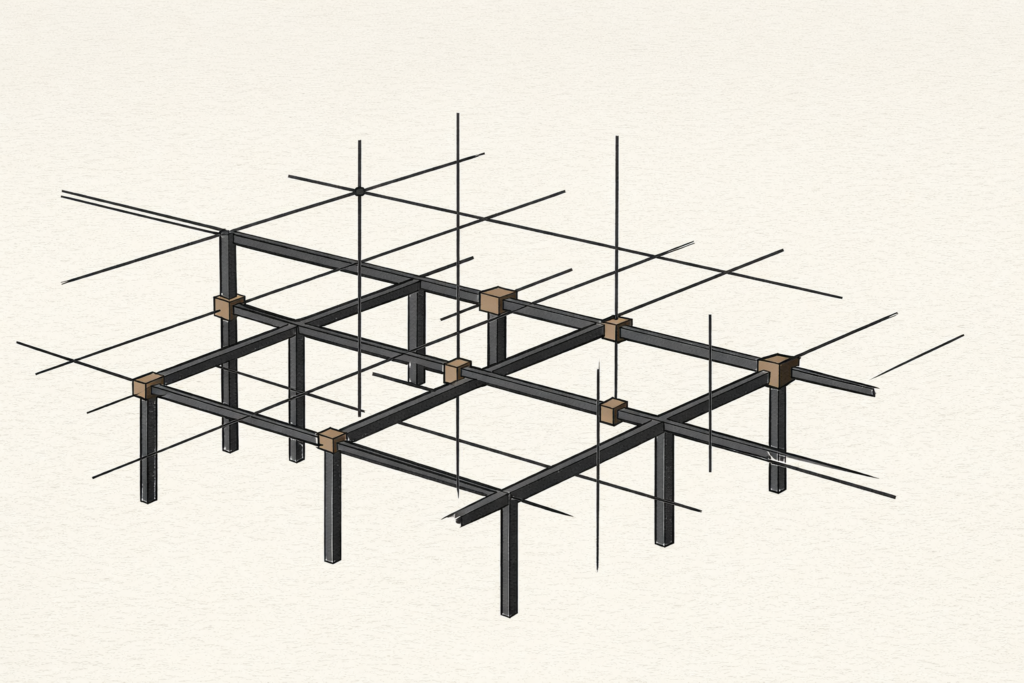
Institutional maintenance explains the quiet work that keeps societies stable. Systems survive through constant repair, correction, and disciplined upkeep.
Systems rarely fail all at once. They drift when standards quietly disappear. Restore the standard and the structure begins to stabilize again.
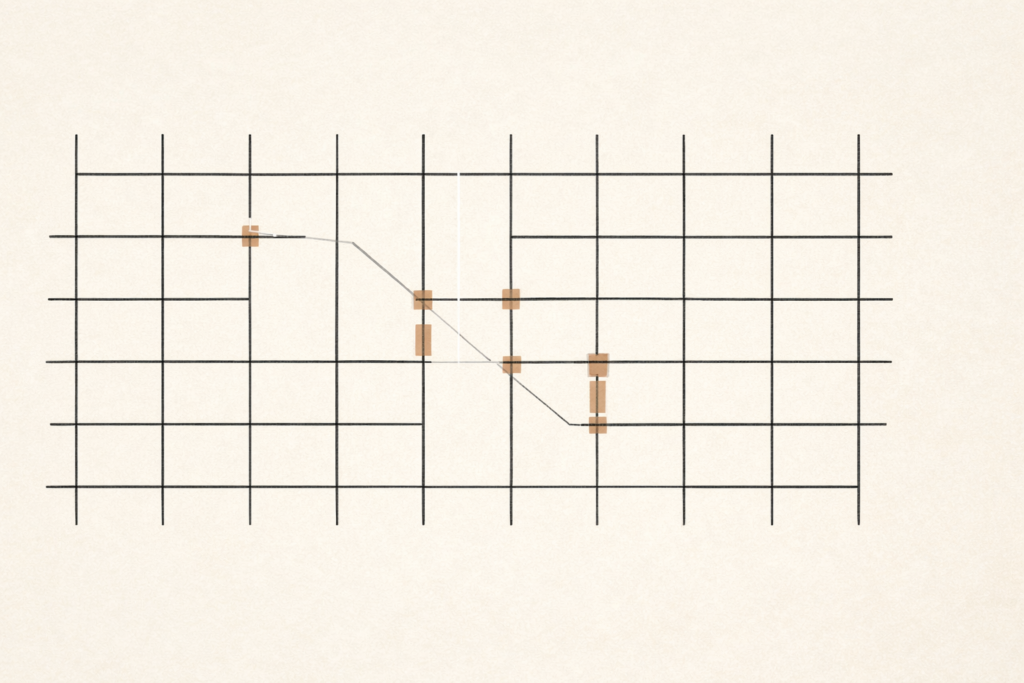
The accountability gap emerges when systems lose the ability to enforce responsibility. Without accountability, mistakes remain uncorrected, leadership weakens, and institutions drift away from stability.