
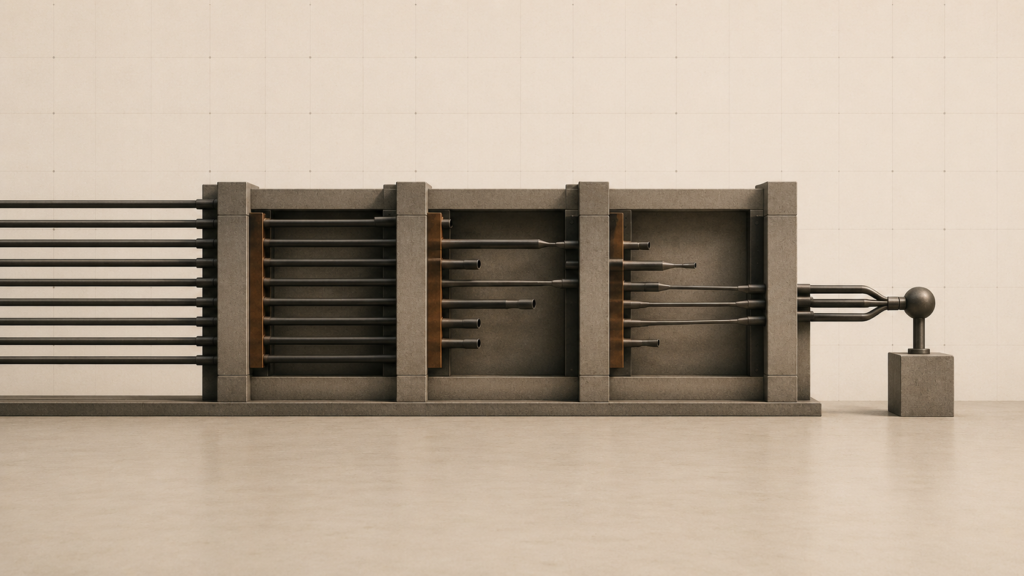
Life Is a Subscription System
Most people treat outcomes like ownership. But health, trust, opportunity, and stability operate more like subscriptions that require renewal. Daily inputs determine what stays available and what quietly expires.
Explores how systems are designed, enforced, and sustained, and how structure can create stability or entrench harm. Examines order, planning, and maintenance as tools that shape power, progress, and lived outcomes over time.
Most people treat outcomes like ownership. But health, trust, opportunity, and stability operate more like subscriptions that require renewal. Daily inputs determine what stays available and what quietly expires.

If you do not control the structure, you do not control the outcome. Systems define results before effort begins.

For decades the economy rewarded credentials over capability. That era is quietly ending. Skilled trades, apprenticeships, and practical craftsmanship are returning to the center of economic life as labor shortages and infrastructure demands reshape the workforce.
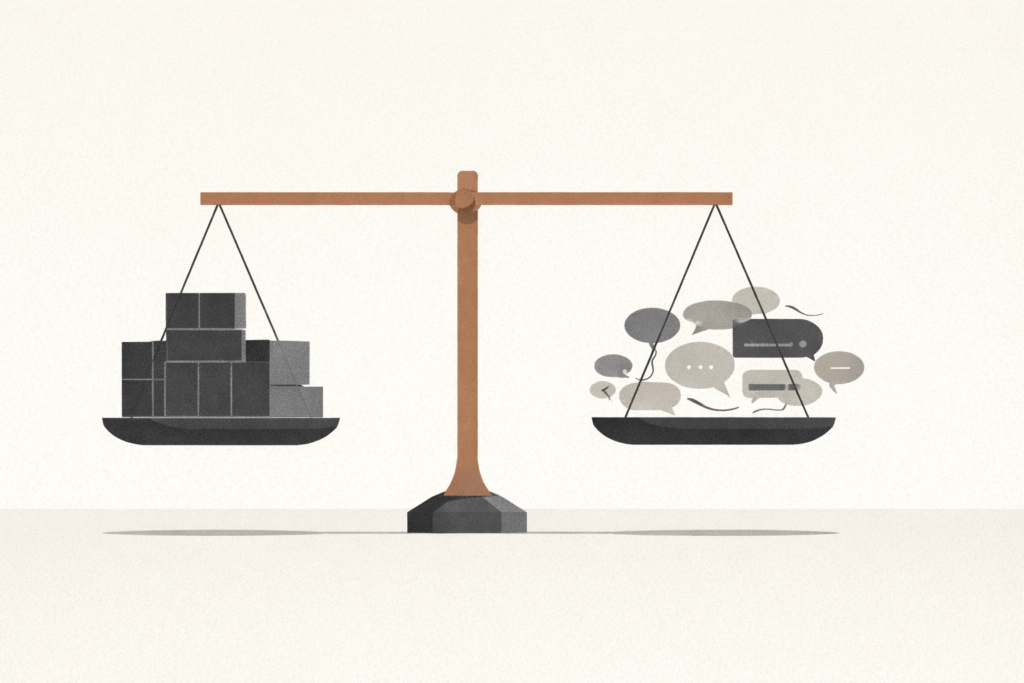
False equivalence forces unequal ideas to appear balanced. It removes context, weakens accountability, and turns real differences into surface-level debate. This breakdown explains why flawed comparisons distort public discourse and decision-making.
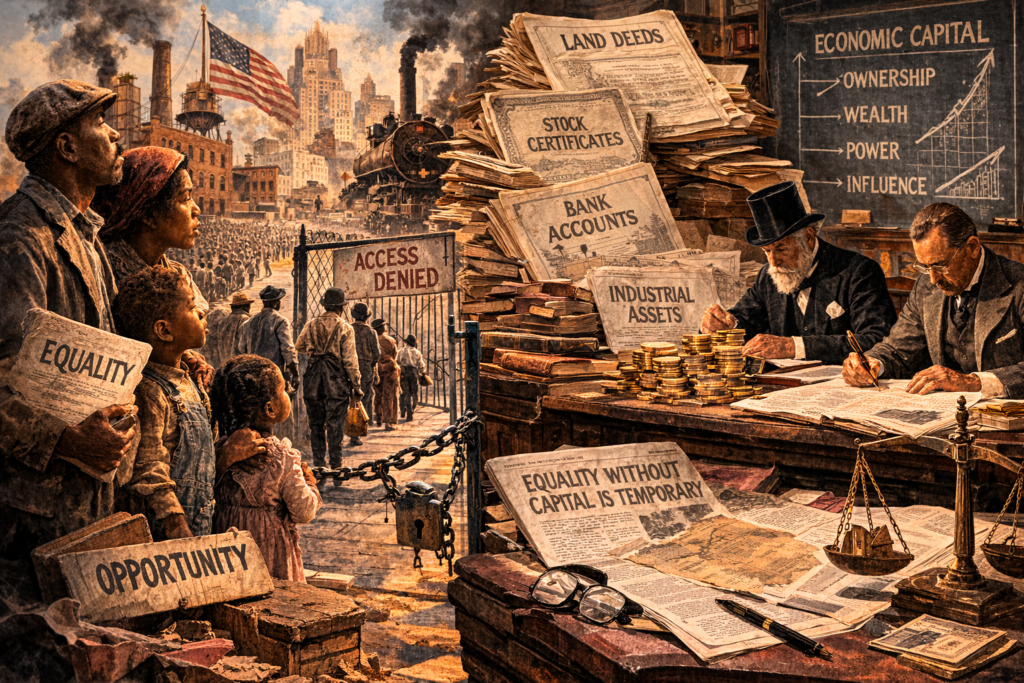
Capital Before Equality examines the gap between formal rights and economic capacity. Equal access matters, but ownership, assets, leverage, and resilience often determine how much opportunity people can actually convert into long-term stability.
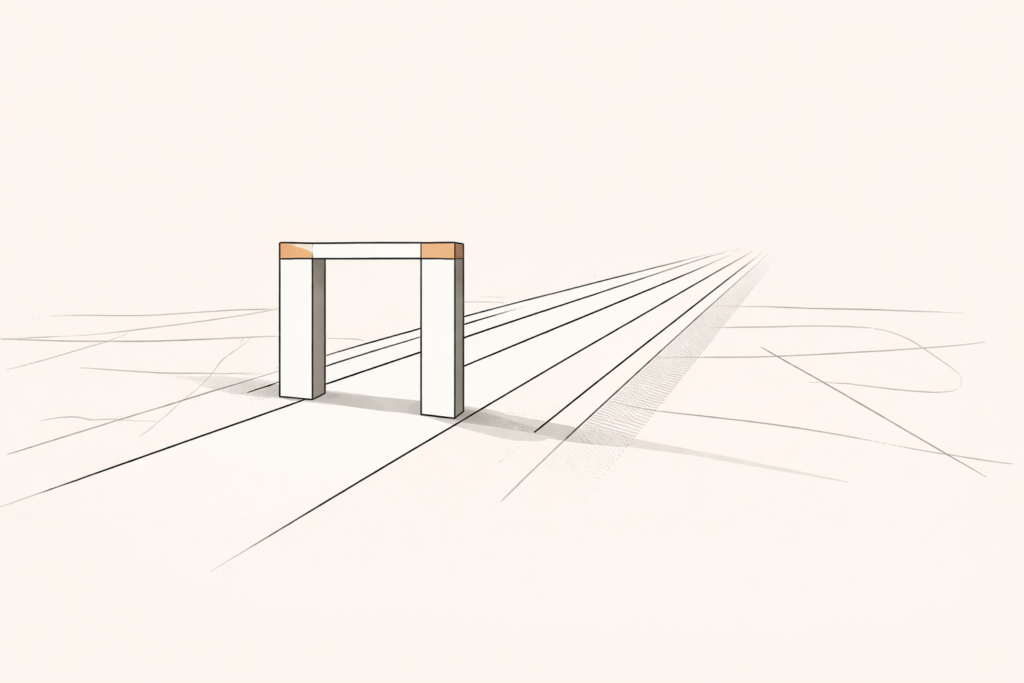
Pre-entry alignment prevents conflict by setting clear terms before participation begins. Strong systems define expectations early so pressure does not have to define them later.
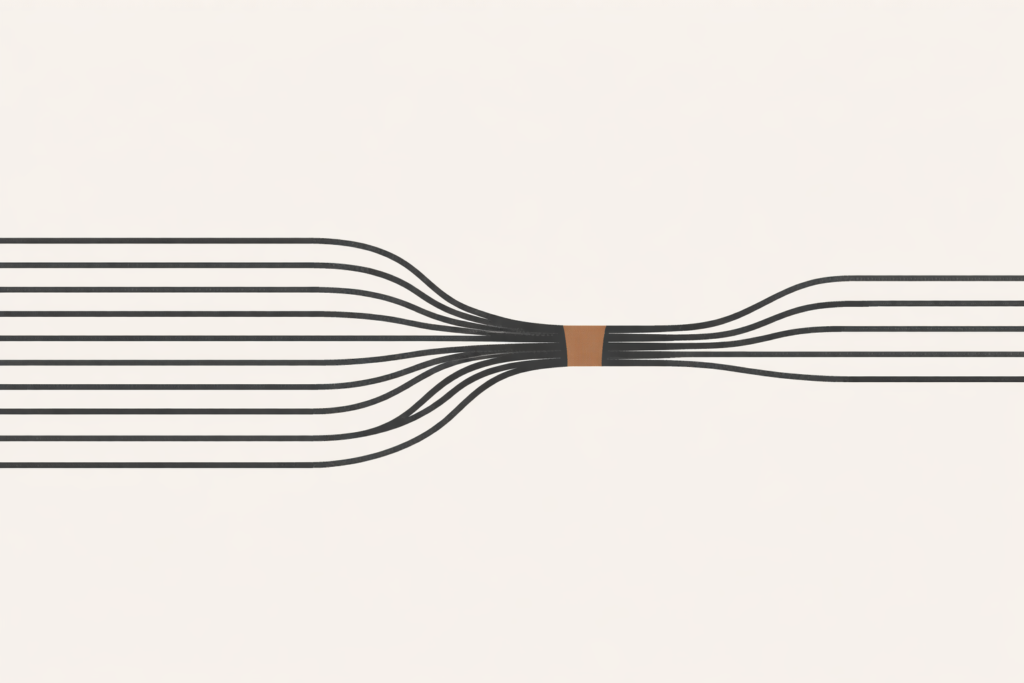
The cost of ambiguity is not confusion. It is delayed conflict. When expectations remain undefined, multiple interpretations form beneath the surface. The system appears stable until pressure arrives. At that point, ambiguity collapses into visible failure.
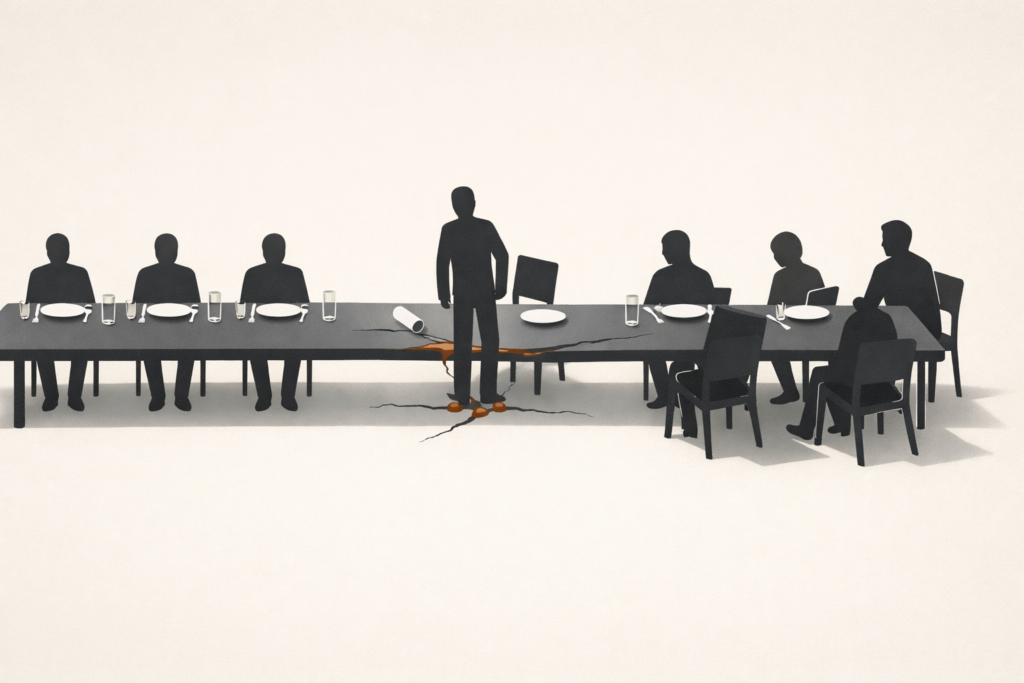
Group conflict escalation begins long before violence appears. This analysis explains how weak coordination, ambiguity, and low trust turn pressure into public breakdown.

Trust thresholds determine how much imbalance a group can absorb before coordination fails. High-trust systems carry friction longer. Low-trust systems turn small discrepancies into immediate conflict.
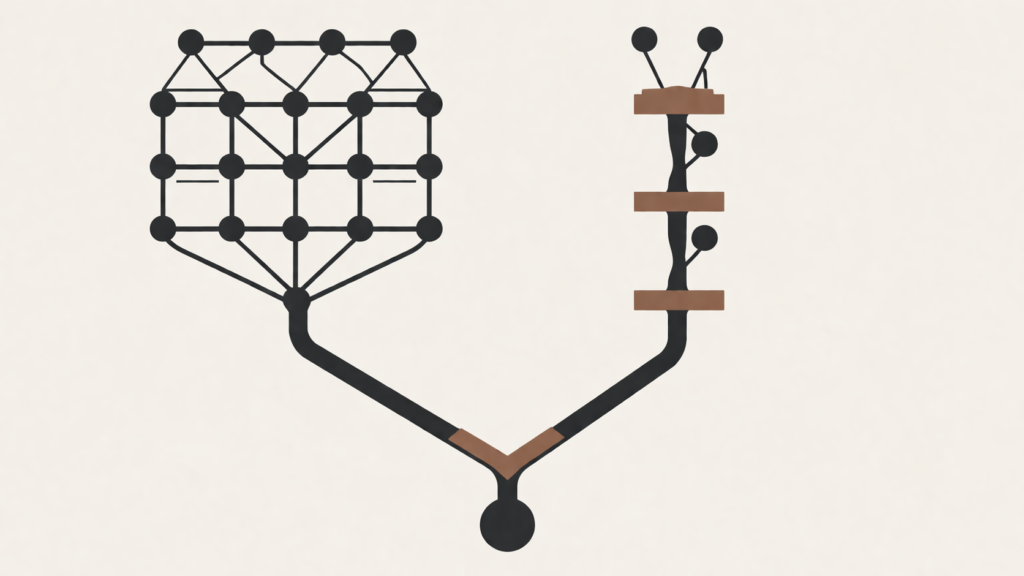
A single input splits into two systems. One expands into shared infrastructure. The other restricts flow through control points. This diagram exposes how language either builds networks or fragments them.
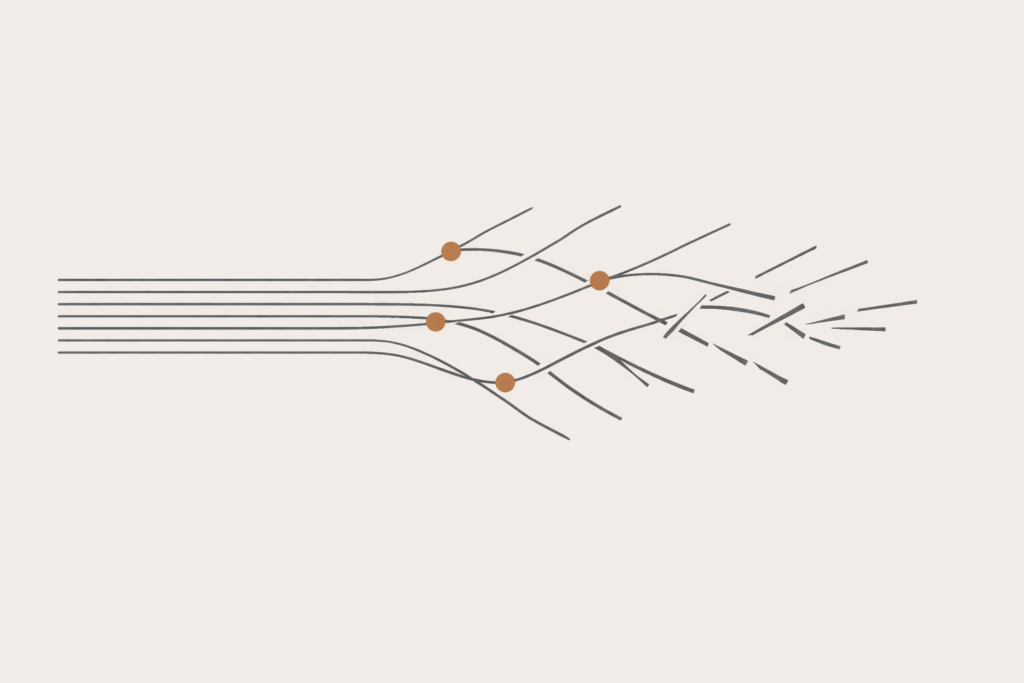
Social coordination failure explains why groups break down under pressure. Without defined roles, expectations, and structure, conflict is not accidental—it is inevitable.
Disruption does not announce itself. It enters quietly, shifting alignment, altering behavior, and exposing weaknesses already present in the system. What begins as a single deviation quickly compounds, turning order into instability. When structure fails to absorb pressure, the entire system reveals its limits.