

Choice Is Not a Vacuum
Choice is not a vacuum. Decisions are made inside limits, pressure, and incentives. When context is ignored, accountability turns into blame and solutions stay shallow.

Choice is not a vacuum. Decisions are made inside limits, pressure, and incentives. When context is ignored, accountability turns into blame and solutions stay shallow.
Outcome fixation clouds judgment after the work is done. Today’s Blueprint removes attachment to results so completion remains clean and attention can move forward.
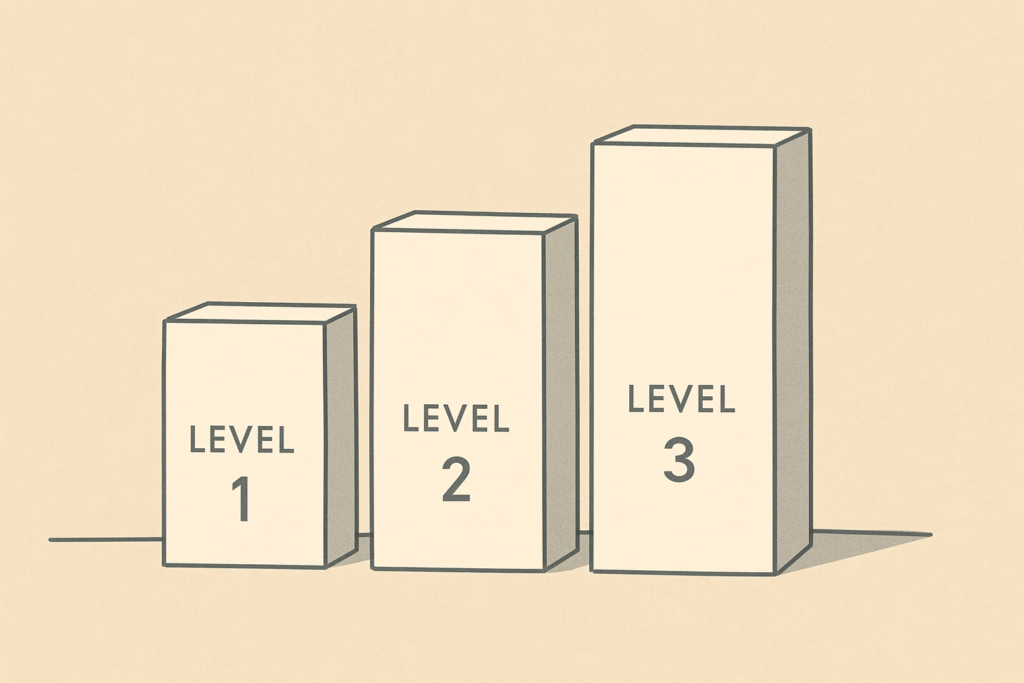
Capability is not just talent. The three levels of capability—task, system, and adaptive—show how structure turns effort into reliable performance that can travel across roles, seasons, and pressure.
Built love lasts longer. Discipline, structure, and reliability sustain what emotion alone cannot. Depth is not intensity. It is repetition that survives pressure.

Romance creates momentum. Structure sustains stability.
Modern relationships rarely collapse from lack of feeling. They collapse from lack of discipline. Emotion fluctuates. Incentives shift. Pressure exposes weaknesses. Without shared standards, restraint, and defined expectations, intensity decays into instability.
Love is powerful. Structure is protective. Durable commitment requires both.

First date appearance is not about transformation. It is about coherence. Makeup, hair, and dress should signal confidence and self-respect — not performance.

Most people prepare for a date by rehearsing charm. That is performance.
Real preparation is structural — regulate the body, define intent, and show up steady. Attraction responds to clarity, not theater.
When you remove anticipation, attention stays on the current step. Anticipation pulls you forward before the work is finished. Today
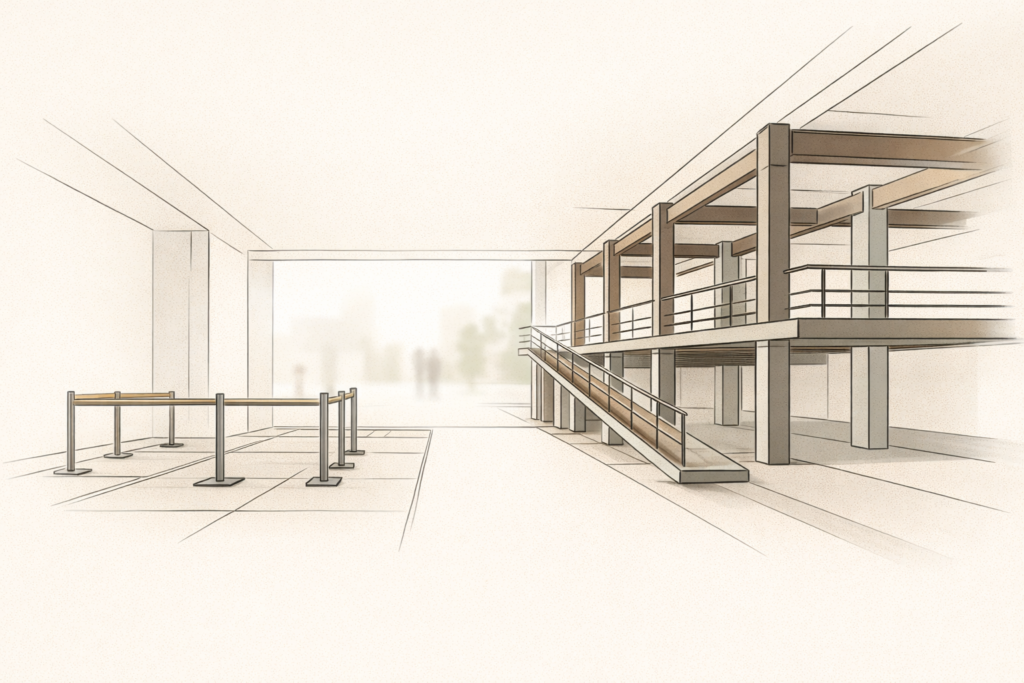
Relationship skills should be taught before dating begins. When kids learn boundaries, repair, empathy, and reciprocity early, love stops being luck and starts being competence.
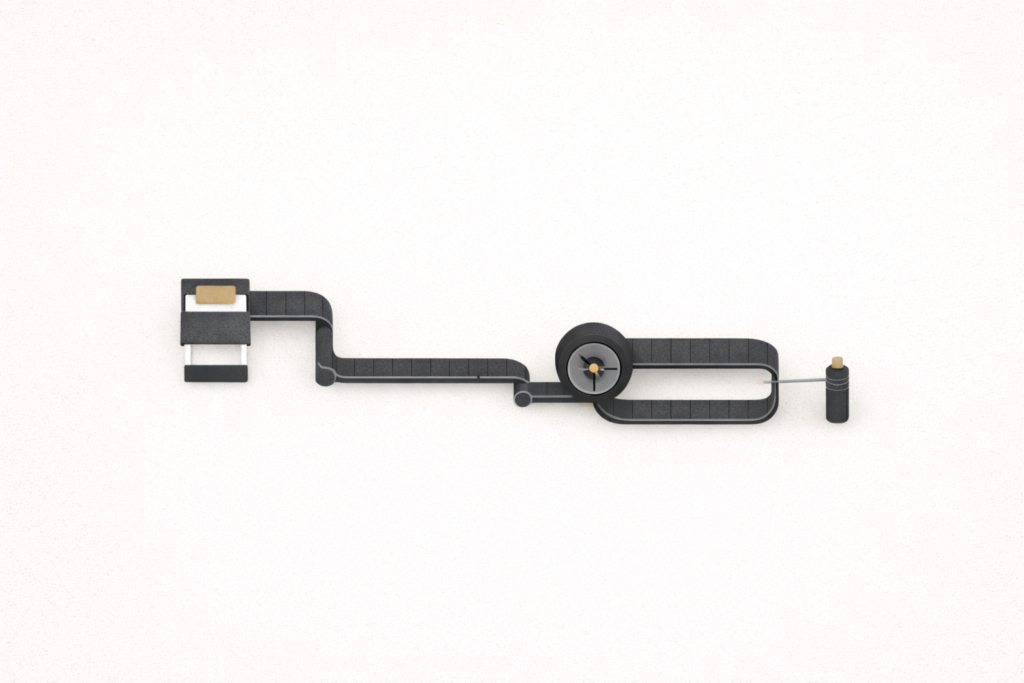
Urgency distorts judgment and breaks rhythm. Today’s Blueprint removes artificial speed so execution follows its intended pace.
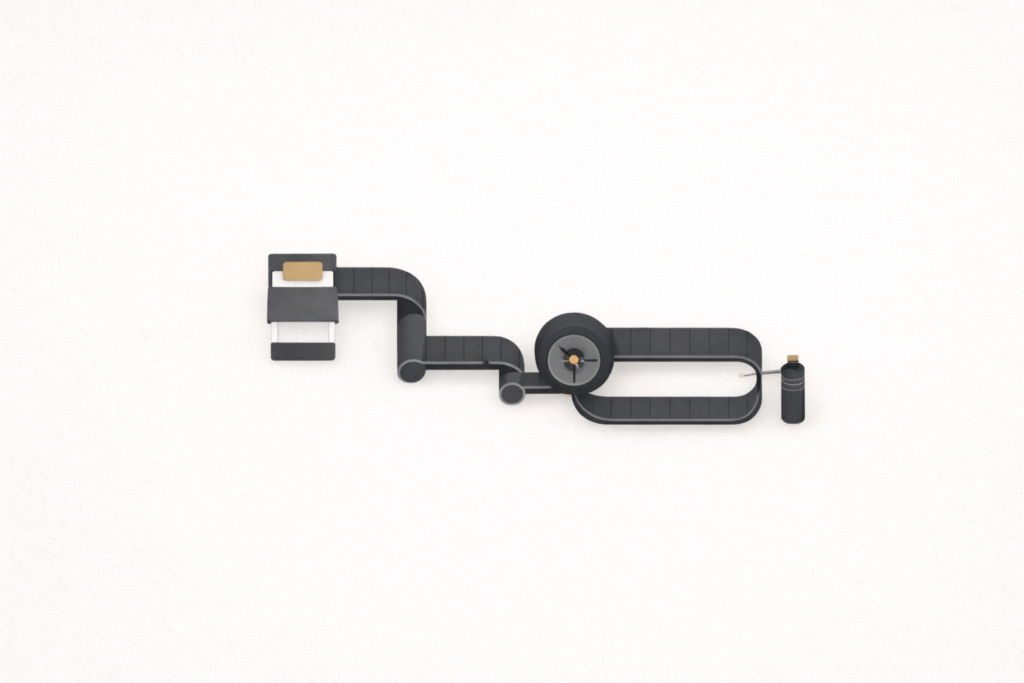
Comparison disrupts execution by shifting focus outward. Today’s Blueprint removes external reference points so progress remains internal, steady, and uninterrupted.
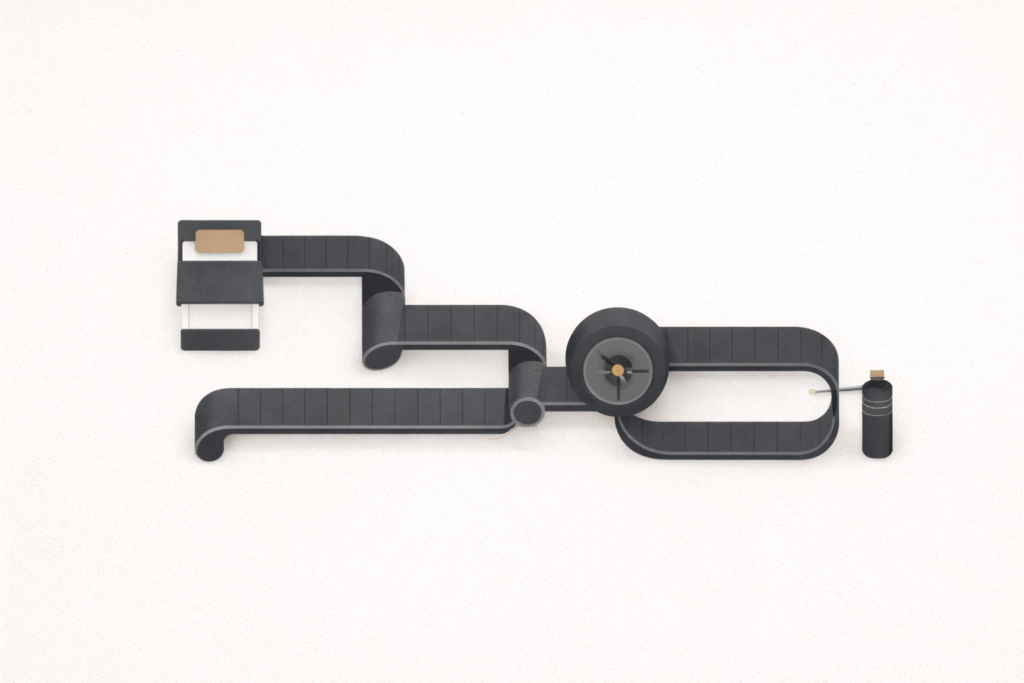
Execution weakens when every action is narrated. Today’s Blueprint removes commentary so work proceeds quietly inside the structure already built.