Author name: Marcus Vaughn

Marcus V. covers personal finance, work, and community development for Groundwork Daily. His reporting focuses on how structure, discipline, and economic awareness shape daily life. Before writing for the platform, he worked in trades and community programs that emphasized financial education and self-reliance. He writes from experience, with attention to the habits and systems that turn effort into stability.

Desk with bills and calculator illustrating the financial impact of missing persons on families
Economy & Ownership

The Cost of Disappearance: Economic Fallout for Families

When someone goes missing, the emotional shock is immediate. The financial impact of missing persons cases is just as real. Lost wages, legal costs, search expenses, and credit damage create pressure that compounds over time. This breakdown examines how disappearance becomes a liquidity crisis and why structural financial preparation determines whether a household absorbs the shock or unravels under it.
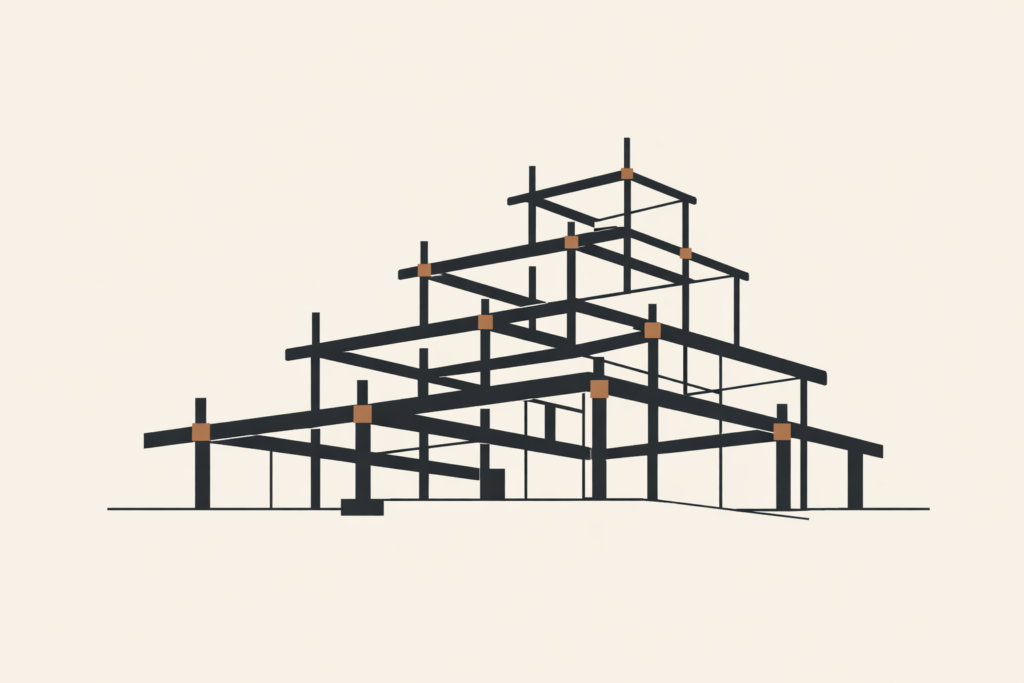

Minimalist architectural framework illustrating generational wealth structure and financial systems that support long-term asset growth.
Economy & Ownership

How Wealth Is Actually Built

Generational wealth is rarely the result of luck. It is the result of structure. This Money Monday analysis explains how trusts, asset leverage, and disciplined financial architecture allow capital to compound across generations rather than disappear with income.

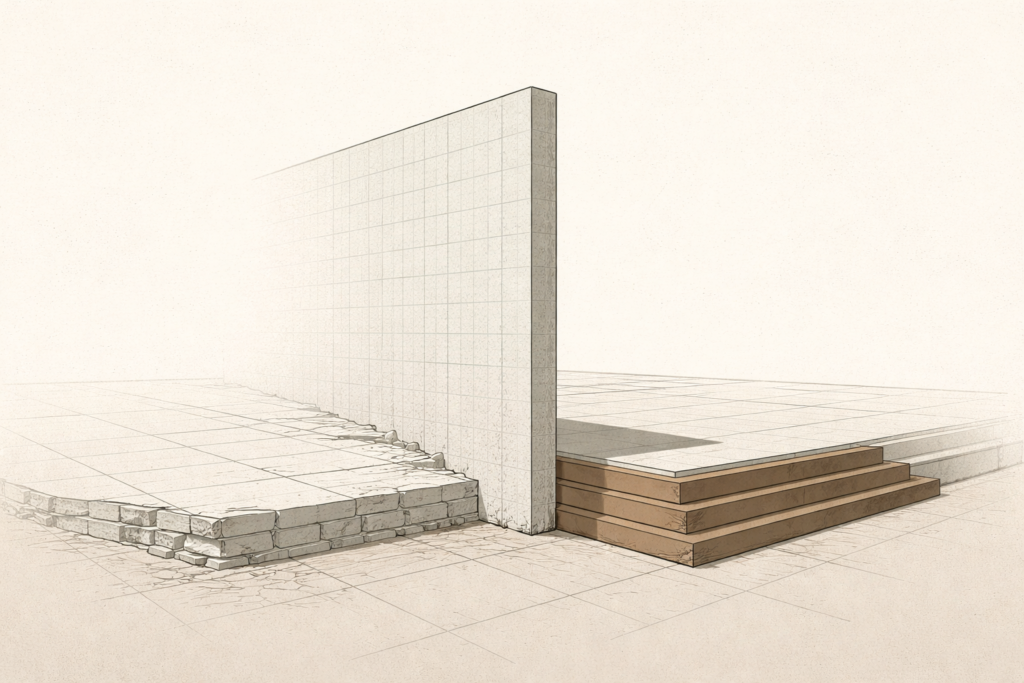
Minimalist architectural illustration showing four structural frameworks progressing across eras to represent the shift from Freedmen to African American identity and the evolution of institutional power.
Family, Gender & Relationships

The 1870 Wall: Why Lineage Feels Personal

The journey from “Freedmen” to “African American” was not cosmetic. It was structural. Each label carried legal meaning, social boundaries, and political leverage. As naming conventions shifted across Reconstruction, Jim Crow, Black reclamation, and ethnic framing, the architecture of power shifted with them. Understanding how labels evolved reveals how identity moves from classification to capacity.

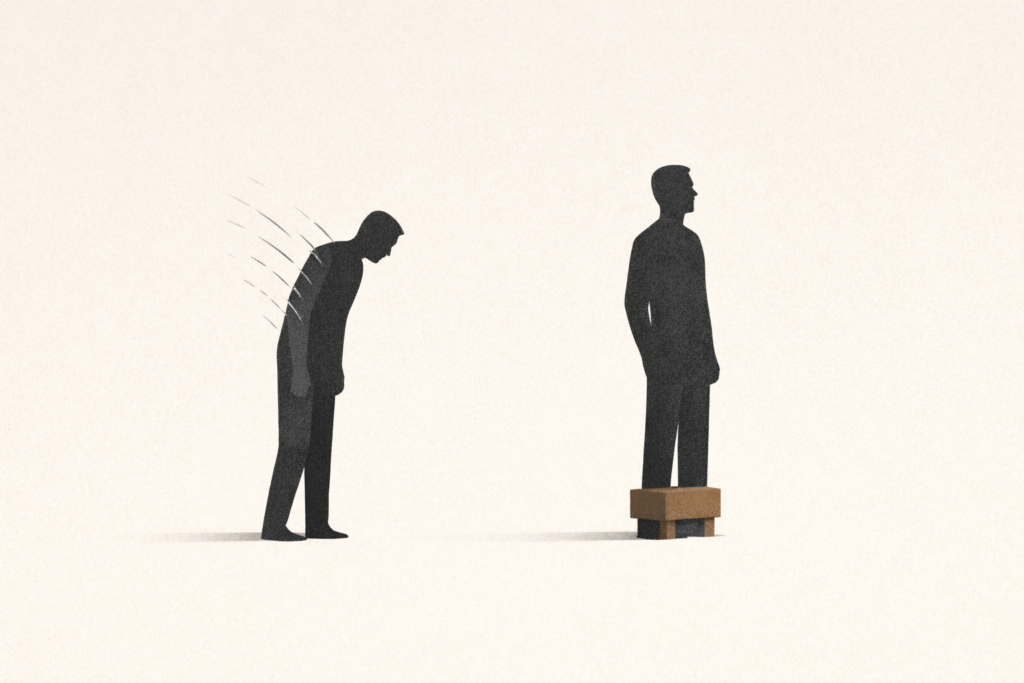
Minimalist editorial illustration of two male silhouettes on a warm sand background, one leaning forward under subtle external pressure symbolizing the fawn response, the other standing grounded with a clay-brown brace representing internal authority.
Family, Gender & Relationships

What Is the Fawn Response? Signs You’re Appeasing Instead of Leading.

When the need for approval overrides internal clarity, posture bends. The fawn response does not shout or rebel — it leans. It absorbs pressure quietly, mistaking appeasement for peace. But authority does not require collapse. Grounded leadership begins at the base. When internal structure is anchored, external pressure loses leverage. Stability is not loud. It is braced.

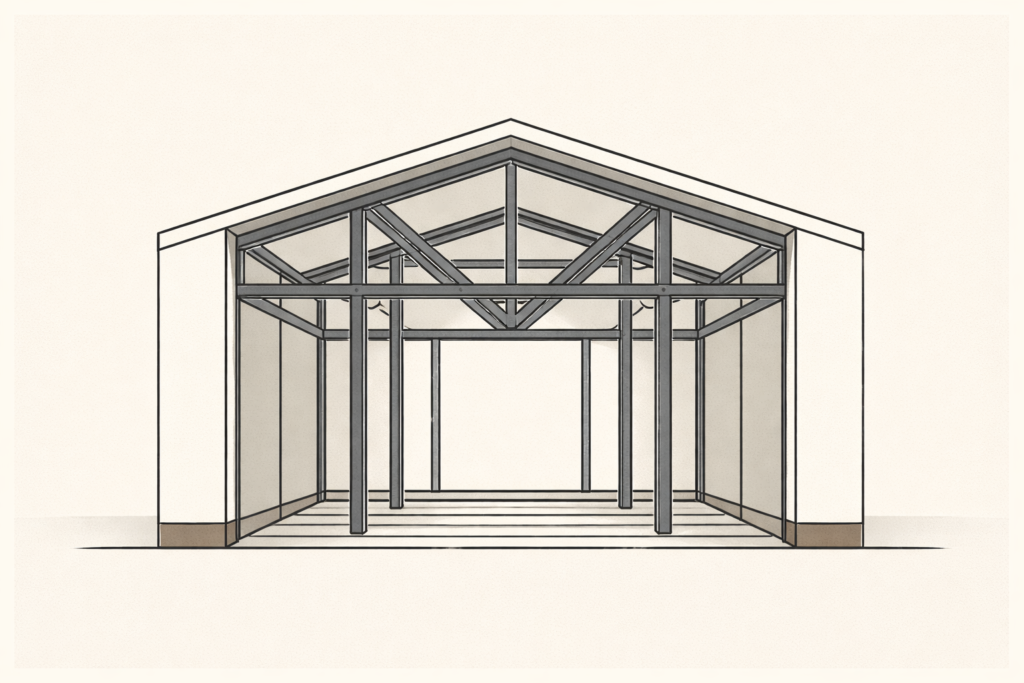
Minimalist architectural illustration showing a plain exterior with a visible internal framework, representing a man’s internal standard as the source of stability and self-governance.
Family, Gender & Relationships

A Man Is His Internal Standard

A man’s life is shaped less by what he demands from the world and more by what he demands from himself. External validation fluctuates. Reputation fades. What remains is the internal standard that governs choices when no one is watching—and that standard determines the kind of legacy a man leaves behind.

Scroll to Top