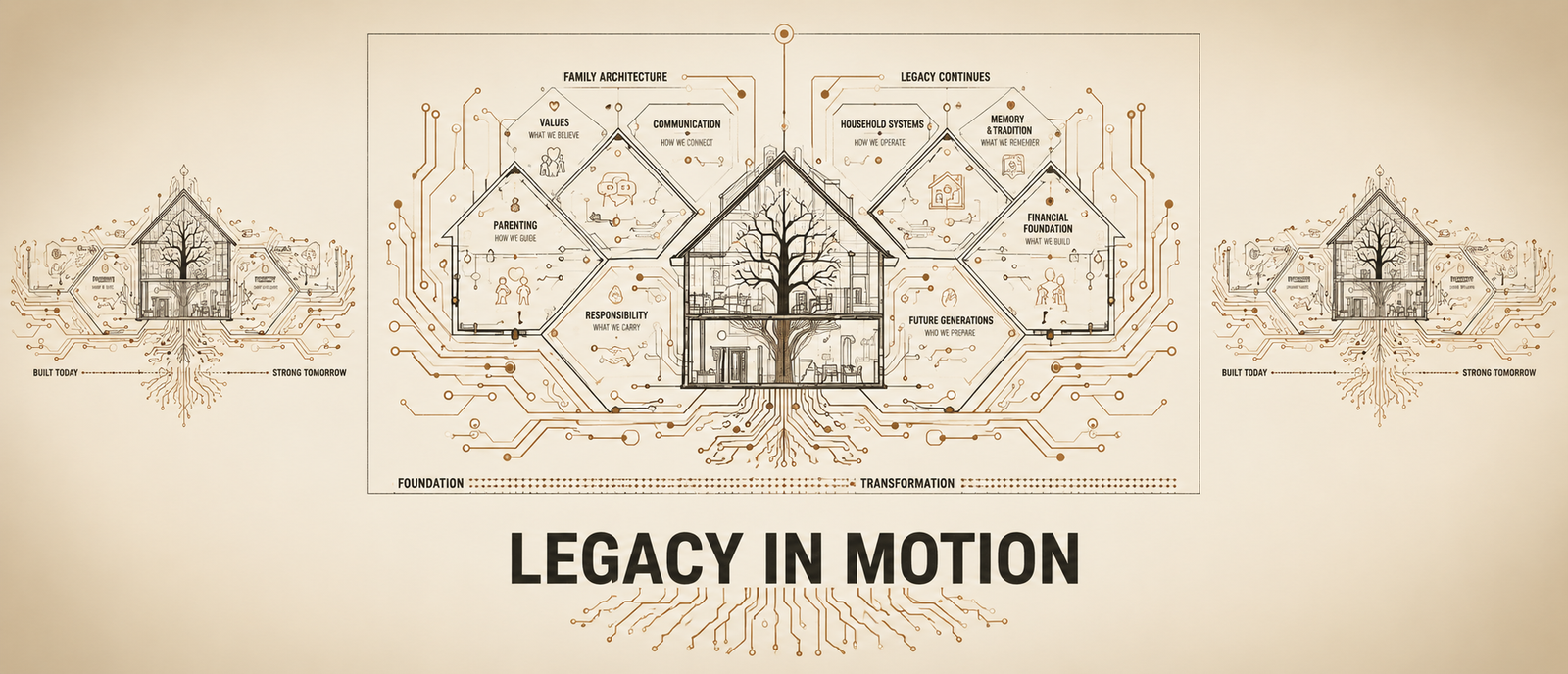
Relationship structure beyond oversimplification requires more than a memorable formula. Physical care, sexual intimacy, and fairness may matter, but they cannot replace trust, responsibility, repair, communication, and shared direction.
Simple relationship formulas spread because they promise relief.
A noisy dating culture produces long lists of expectations, contradictory gender rules, and constant arguments about what men and women supposedly need.
Then someone reduces the entire problem to three points.
Food.
Sexual intimacy.
Fairness.
The appeal is obvious.
But simple does not automatically mean complete.
A relationship cannot be reduced to what keeps one partner comfortable. Durable partnership requires a structure both people can trust, influence, and help carry.
What the Three Fs Actually Represent
The framework is useful only if we interpret it more carefully than the slogan usually does.
Food
Food can represent physical care, hospitality, nourishment, domestic comfort, and the experience of being considered in ordinary life.
Sexual Intimacy
Sexual intimacy can represent desire, affection, physical connection, reassurance, and the experience of being chosen rather than merely tolerated.
Fairness
Fairness represents reciprocity, dignity, respect, legitimate expectations, mutual protection, and a relationship where responsibility does not permanently travel in one direction.
Simple Relationship Formulas Appeal Because Modern Expectations Feel Chaotic
Many people are tired of complexity.
Dating advice often sounds like negotiation between competing brands of masculinity, femininity, independence, vulnerability, tradition, ambition, healing, and status.
In that environment, simplicity feels disciplined.
A short formula says: stop overthinking this.
Take care of each other.
Maintain intimacy.
Treat each other fairly.
That is not bad advice.
The weakness appears when a useful summary is mistaken for a complete operating system.
Food Is Not Really About Food
Taken literally, the first F can collapse partnership into domestic service.
That is too narrow.
The deeper principle is care made practical.
People want to know that their needs are visible.
That may appear through meals.
It may also appear through making coffee before a difficult morning, handling an errand when the other person is overloaded, preparing the home for a demanding week, or noticing that someone has not had time to stop and eat.
Care Should Not Become Servitude
Physical care becomes unhealthy when it is treated as one person’s gendered obligation rather than a form of contribution that can move.
A household should be able to answer a more useful question:
How do we make sure both people experience practical care?
That question is broader than who prepares dinner.
Sexual Intimacy Matters, but It Cannot Be Separated From the Relationship Around It
Desire matters.
Physical intimacy matters.
Feeling wanted matters.
But intimacy does not operate independently from everything else.
Contempt affects desire.
Exhaustion affects desire.
Unresolved conflict affects desire.
Unequal responsibility affects desire.
Lack of emotional safety affects desire.
Intimacy Is Part of the System
Treating sex as a standalone requirement ignores the environment that allows physical connection to remain voluntary, mutual, and alive.
No durable relationship should treat intimacy as payment for good behavior.
Nor should one partner’s desire automatically become the other person’s obligation.
Intimacy is strongest when desire is protected by the structure around it.
Fairness Is the Part of the Formula That Can Carry More Weight
Of the three ideas, fairness has the greatest structural depth.
Fairness can include protection.
It can include reciprocity.
It can include financial responsibility, emotional restraint, loyalty, recognition, repair, domestic labor, and the ability to adjust when circumstances change.
Properly defined, fairness reaches beyond a preference.
It becomes governance.
Fairness Must Run in Both Directions
One partner cannot permanently carry financial pressure while the other treats that contribution as automatic.
One partner cannot permanently carry emotional repair while the other waits for every conflict to be resolved on their behalf.
One person cannot demand loyalty, care, or protection while refusing to provide those same conditions in return.
This is why Fairness vs Equality in Relationships matters as a companion piece.
Fairness is not equal effort every day. It is legitimate responsibility over time.
Three Pillars Still Need Something to Connect Them
Food can represent care.
Sexual intimacy can represent desire.
Fairness can represent reciprocity.
But three separate columns do not automatically become a structure.
Something has to connect them.
That connecting beam is shared responsibility.
Shared responsibility determines whether care survives stress.
It determines whether intimacy survives changing seasons.
It determines whether fairness remains more than a principle people invoke only when they feel wronged.
Without shared responsibility, the pillars may exist, but the structure remains fragile.
Relationship Structure Beyond Oversimplification Requires Mutual Ownership
No household becomes peaceful because one person performs correctly.
Peace that depends on one person’s behavior is not a stable system.
It is conditional calm.
Durable stability requires both people to carry responsibility for what the relationship becomes.
Both People Have Operating Responsibilities
Both people affect tone.
Both people affect trust.
Both people affect intimacy.
Both people affect the household’s financial and emotional pressure.
Both people influence whether conflict becomes repair or repetition.
Partnership is not one person’s performance for the other person’s comfort.
Six Structural Needs the Three Fs Do Not Fully Explain
The original formula identifies useful signals. A durable relationship requires a larger operating system.
Trust
Both people need confidence that words, behavior, commitments, and private information will be handled responsibly.
Communication
Needs, expectations, disappointment, boundaries, and change have to become visible before assumptions take over.
Responsibility
Shared life requires adults who notice what needs to happen, own outcomes, and follow through without constant supervision.
Repair
Conflict is inevitable. The relationship needs a way to correct damage, restore trust, and change behavior afterward.
Shared Direction
Two people can have different goals while still building toward a future that has room for both of them.
Adaptability
Roles, capacity, money, health, work, parenting, and family obligations change. The system has to change with them.
Relationship Structure Is Revealed When Life Stops Cooperating
Almost any formula can appear effective during an easy season.
Real architecture becomes visible when conditions change.
What happens when money tightens?
What happens when one person’s libido changes?
What happens when a child needs more?
What happens when work becomes demanding?
What happens when one person becomes ill?
What happens when the relationship reaches a disagreement that cannot be solved through charm, routine, or attraction?
That is the test.
Strong structure is not what works when life is easy. It is what keeps both people functional when the system is under load.
The Question “What Do Men Want?” Still Needs a Better Answer
Men may want food.
Men may want sex.
Men may want fairness.
But those wants exist inside a larger relationship system.
Many men also want respect that survives disagreement.
They want to feel trusted rather than permanently supervised.
They want to know that honesty will not become ammunition.
They want room to pursue purpose without the relationship becoming a competitor.
They want to feel chosen rather than merely accommodated.
That broader argument is developed in What Men Want From Women in Relationships.
A useful framework should help explain those needs. It should not erase them for the sake of a cleaner slogan.
Oversimplification Can Become an Excuse to Stop Learning
Simple frameworks become dangerous when they turn curiosity into certainty.
Once someone believes men only need three things, every male need outside that framework can be dismissed.
Once someone believes women only need a different short list, the same thing happens in reverse.
People stop studying the person in front of them.
They start managing the category.
That is a weak way to build a relationship.
Frameworks Should Organize Attention, Not Replace Judgment
Good frameworks help people ask better questions.
Bad frameworks make people believe there are no more questions to ask.
The goal is not to memorize what men or women supposedly need. The goal is to understand the structure two actual people require.
The Beyond the Three Fs Relationship Audit
Use the formula as a starting point, then inspect whether the larger relationship architecture is actually sound.
-
Does practical care move in both directions?
Care should not become one person’s permanent service role. -
Does intimacy remain voluntary, mutual, and connected to the health of the relationship?
Physical connection cannot be separated from trust, exhaustion, resentment, and emotional safety. -
Does fairness govern the whole relationship?
Reciprocity should reach money, labor, communication, sacrifice, repair, and protection. -
Can both people speak honestly?
A relationship cannot remain stable if truth consistently creates punishment. -
Do both people own meaningful responsibility?
Helping is not enough if one person remains the permanent manager. -
Can the system adapt?
Roles that worked last year may not fit the life being lived now. -
Does the relationship become stronger under pressure or merely quieter?
Peace should come from stability, not suppression.
For broader context on how married and cohabiting adults describe satisfaction, shared responsibility, and relationship life, see the Pew Research Center research on married and cohabiting adults .
Build the Beam, Not Just the Columns
Feed each other.
Protect intimacy.
Practice fairness.
All three matter.
But none is enough by itself.
Trust has to connect them.
Responsibility has to support them.
Communication has to keep them aligned.
Repair has to reinforce the places where the structure takes damage.
Adaptability has to keep the system useful when circumstances change.
A simple formula can identify a few important pillars. A durable relationship still needs architecture.
Further Groundwork
Why equal dignity and fair responsibility are different parts of the same relationship structure.
Responsibility When Responsibility Becomes ResentmentHow reliability becomes expectation when responsibility stops moving through the household.
Family Stability The Family Stability FrameworkExamine the broader systems that allow households to remain stable when life applies pressure.
Male Perspective What Men Want From Women in RelationshipsMove beyond stereotypes and examine respect, trust, desire, autonomy, and shared direction.
Series Hub Legacy In MotionExplore relationships, family architecture, responsibility, communication, parenting, money, memory, and generational continuity.