How to Save Money When You Have None Left
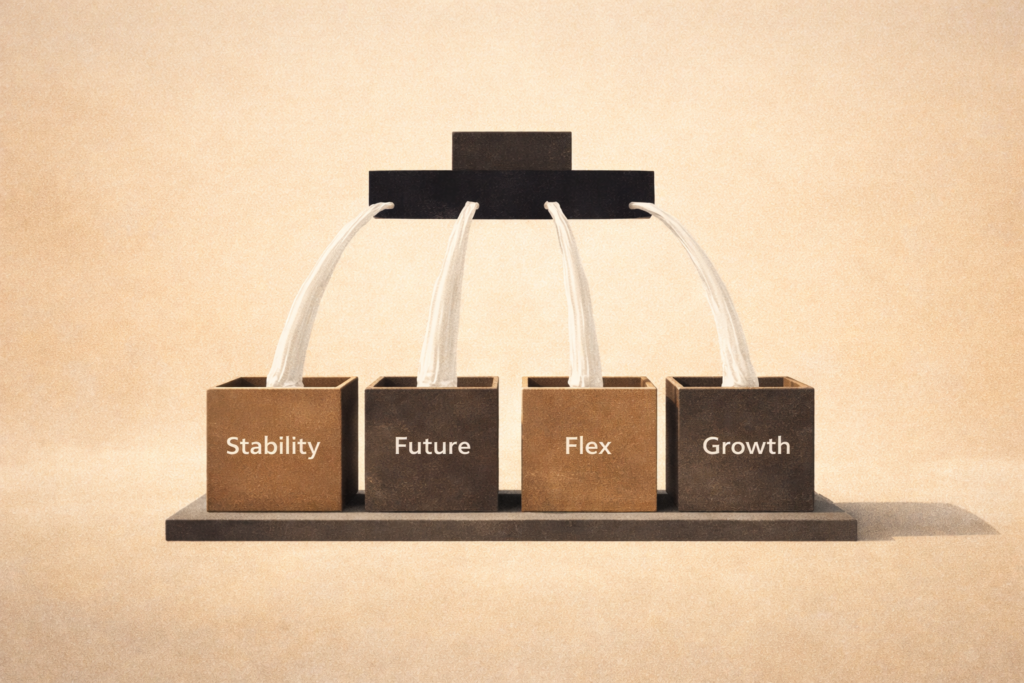
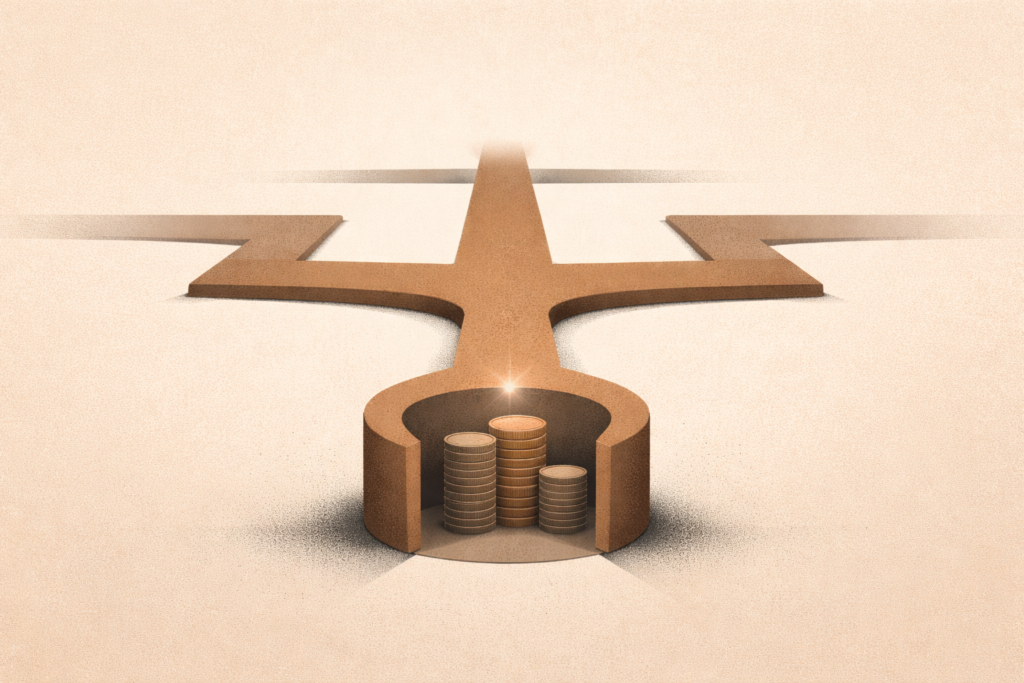
When nothing is left at the end of the month, the problem is not income. It is structure. Learn how to save money when you have none left by changing the order and reserving money before it disappears.
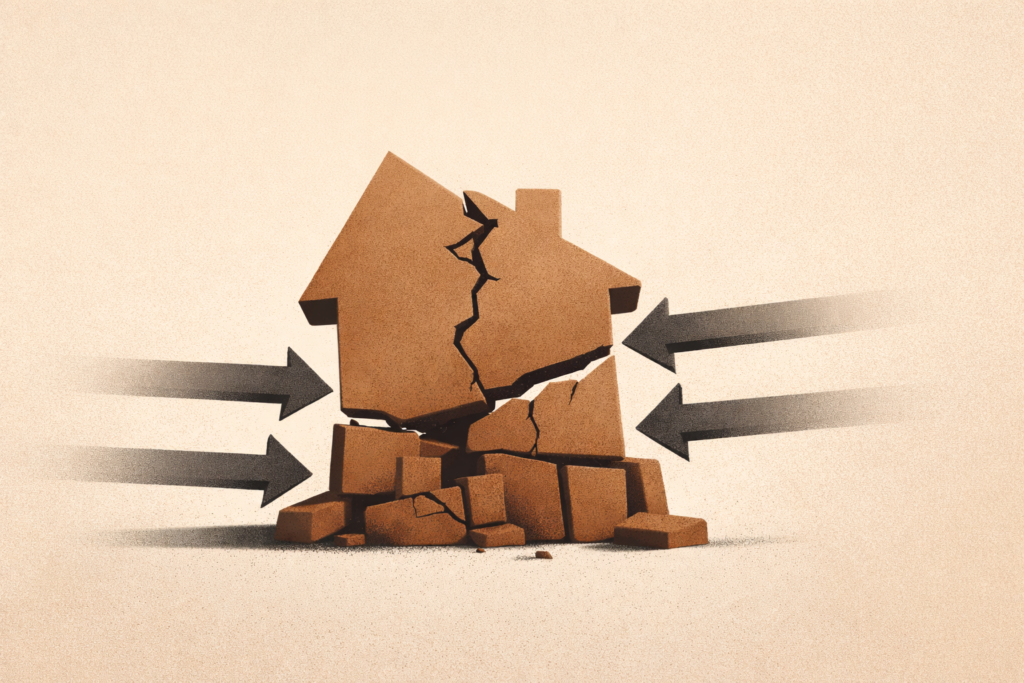
A system without reserves is not flexible. It is fragile. When pressure hits, there is no buffer, no delay, no protection. Only collapse waiting for a trigger.
Luxury can look like progress while quietly draining it. Stability rarely announces itself, but it holds everything up. The real decision is not what looks better today. It is what can still stand tomorrow.
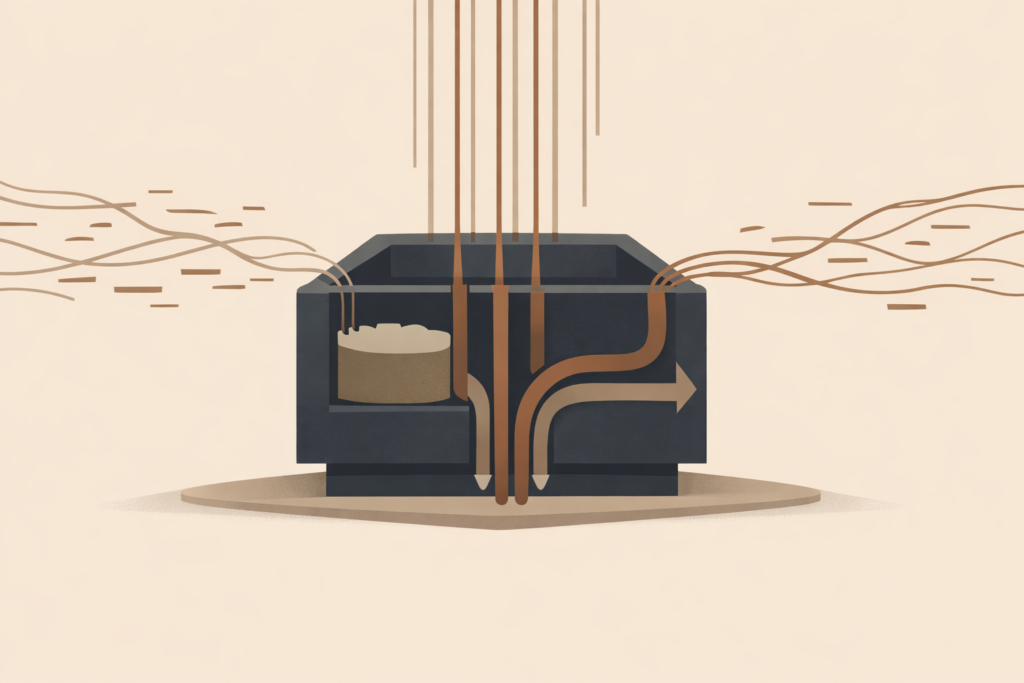
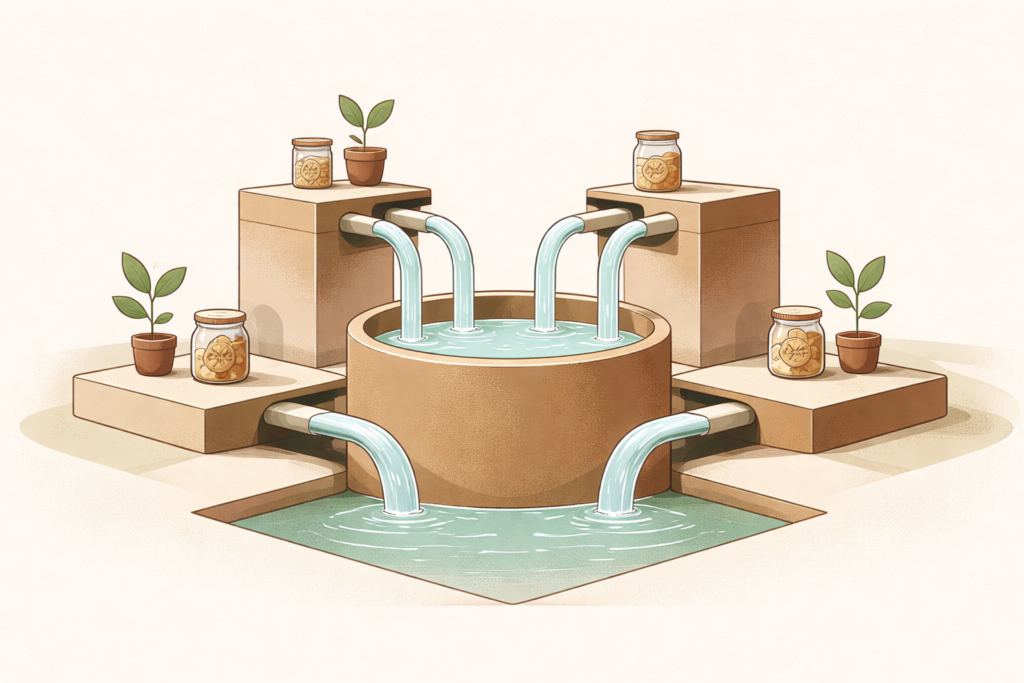
Money is entering the system, but nothing is staying. That is not bad luck. That is design. Without structure, every dollar fragments into obligations, impulses, and leaks. Income alone does not build stability. Only controlled flow does.
Tax season behavior reveals whether your money system is built on discipline or drift. The bill is not the lesson. The pattern behind it is.
Financial discipline and structure turn effort into equity. The Fiscal Footing series closes with a clear lesson: build systems, keep order, and freedom follows.
Emotional protection in relationships means public loyalty and disciplined boundaries. Stability requires visible alignment when pressure arrives.
Applied knowledge creates value. Information alone does not. The real divide is not between knowing and not knowing, but between knowing and applying.
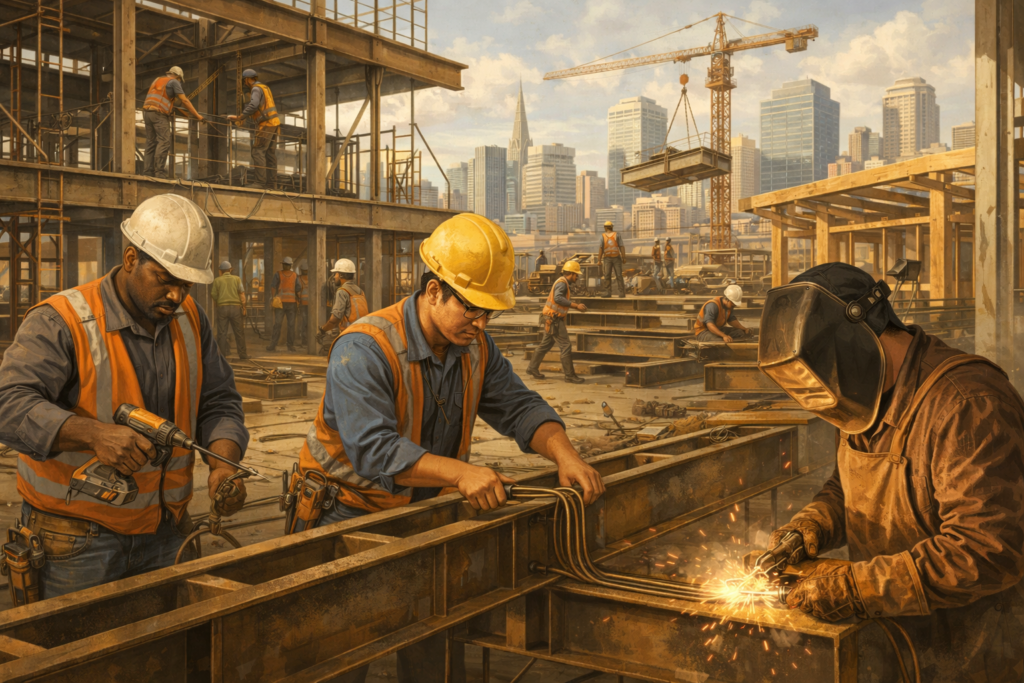
Ownership in execution is where most people fail. Responsibility does not end with the task. It begins with the method that produces results.
After the Civil War, millions of formerly enslaved Americans expected land as the foundation of real freedom. Instead, federal policy opened vast territories to white settlers while leaving freed families without the economic base that land ownership could provide.
Economic infrastructure for Black sovereignty begins with land, enterprise, and liquidity built in disciplined tiers. Capital formation is not symbolic power. It is structural power. Communities that want autonomy must construct systems that sustain ownership, circulate value, and convert identity into durable economic leverage.
Fairness vs equality in relationships explains why equal rights do not automatically create balanced responsibility. Stability requires proportional structure, not identical roles.