
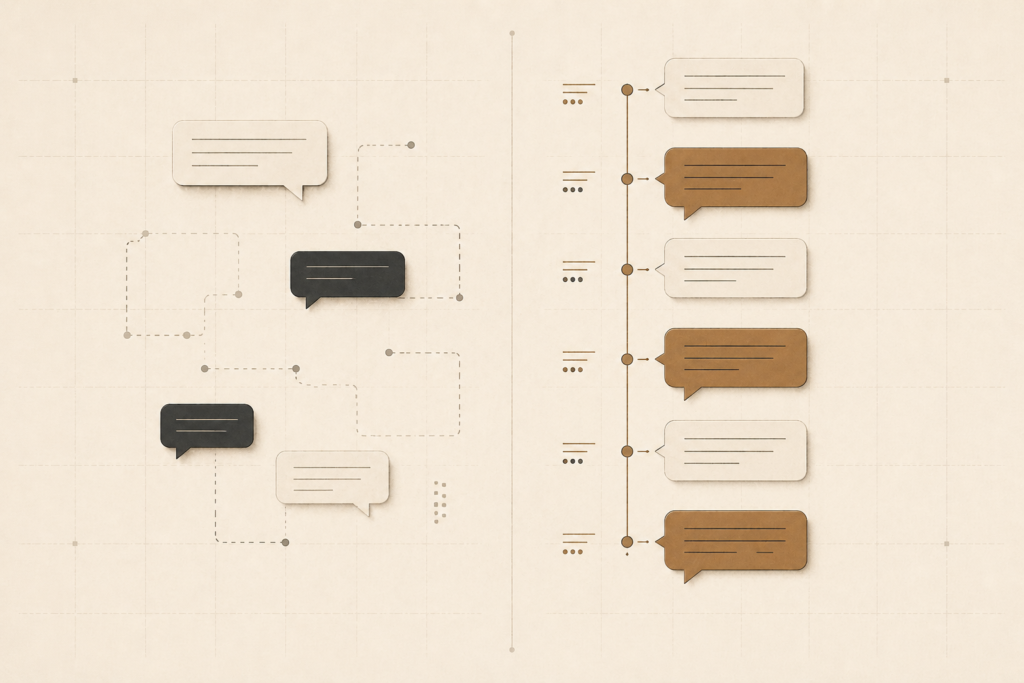
If It Isn’t Written, It Didn’t Happen
Fatherhood overnights leverage is not emotional. It is mathematical. Time, when tracked and documented, becomes position. And position shapes outcomes.

Fatherhood overnights leverage is not emotional. It is mathematical. Time, when tracked and documented, becomes position. And position shapes outcomes.
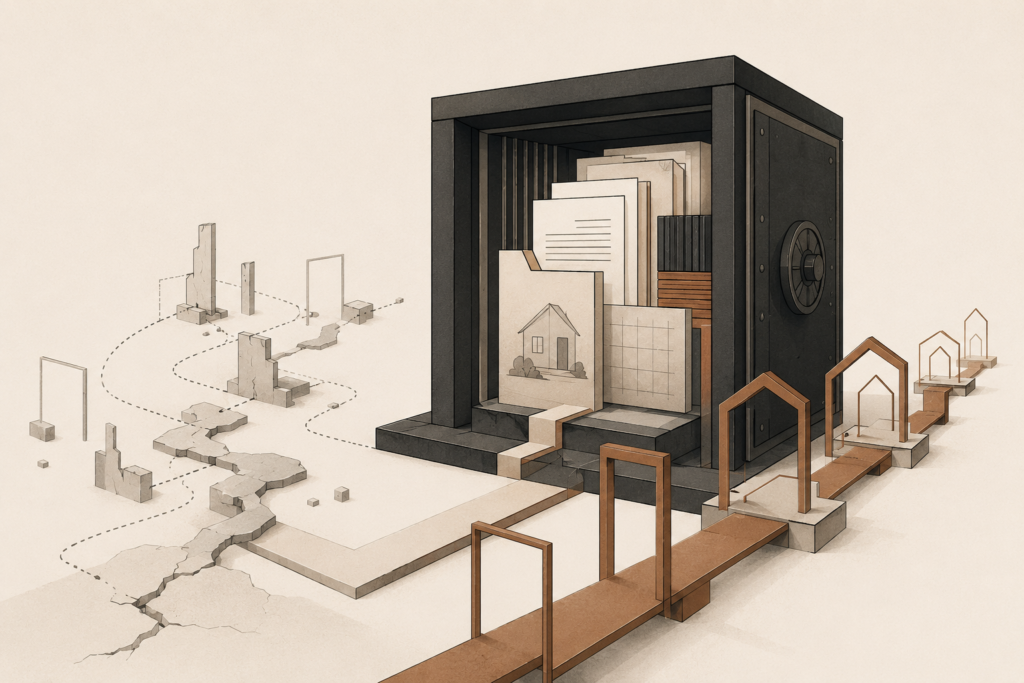
Most systems do not fail because people stop moving. They fail because friction compounds faster than progress. Reduce the unnecessary resistance, and the path forward becomes visible again.

Building an emergency fund feels restrictive because most people treat it as loss instead of protection. When structured correctly, saving stops feeling like sacrifice and starts functioning like stability. The goal is not to feel broke while saving. The goal is to build security without disrupting daily life.

Documentation is not paperwork. It is leverage. What gets recorded becomes real, and what becomes real shapes outcomes inside systems that only recognize proof.

Most outcomes are not reflections of effort. They are reflections of structure. When standards are stable, results become predictable. When standards shift, effort becomes noise. The real problem is not inconsistency in people. It is inconsistency in the system guiding them.

Most breakdowns are mislabeled as communication failures when the real issue is structural. The tension people call “miscommunication vs misalignment” is not about words—it is about systems operating under different rules. One side optimizes for clarity, the other for control. One follows structure, the other improvises. Until those underlying rules align, no amount of conversation will resolve the conflict.

Fatherhood overnights leverage turns time into measurable power. Without tracking presence, fathers lose custody position and financial control.

Money is not earned. It is routed. Without structure, it defaults to consumption. Without allocation, it obeys impulse. A disciplined system assigns every dollar before it arrives. Stability first. Future next. Flex defined. Growth intentional. If money has no destination, it is already gone.

The fatherhood responsibility system forces a trade between time and money. Without structure and documentation, fathers lose both presence and leverage.

Demand for skilled trades is rising across construction, energy, and manufacturing as infrastructure expansion and labor shortages reshape the modern workforce.
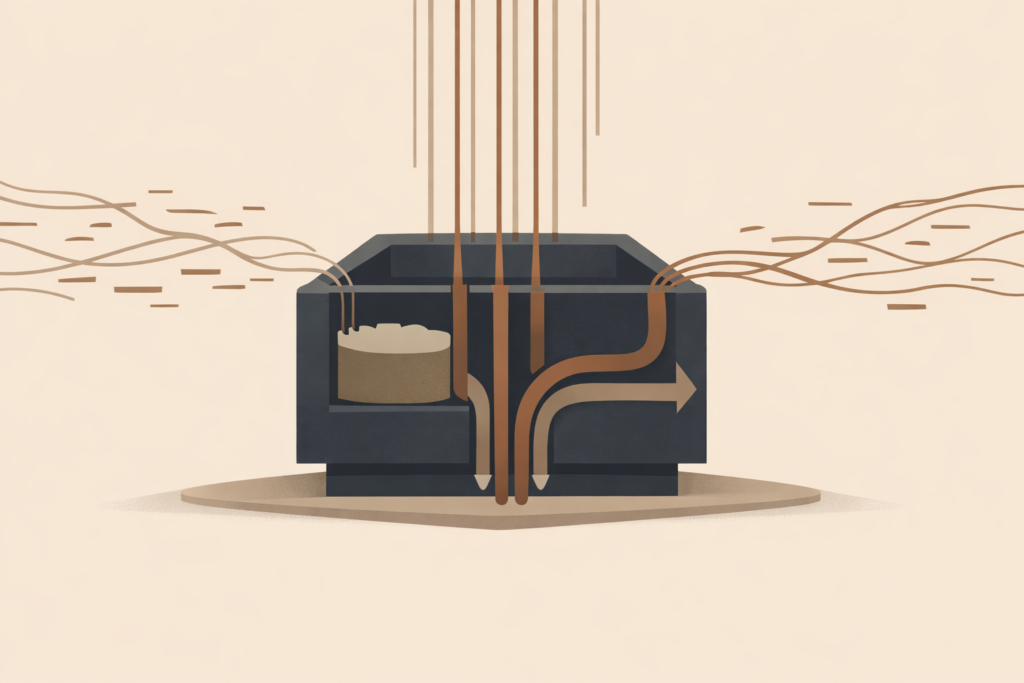
Financial stability does not come from income alone. It comes from systems that direct, retain, and protect money before pressure turns disorder into crisis.

A growing skilled trades shortage is reshaping the labor market as infrastructure demand rises and fewer workers enter hands-on professions.