When Incentives Replace Restraint: Why Media Conflict Keeps Escalating
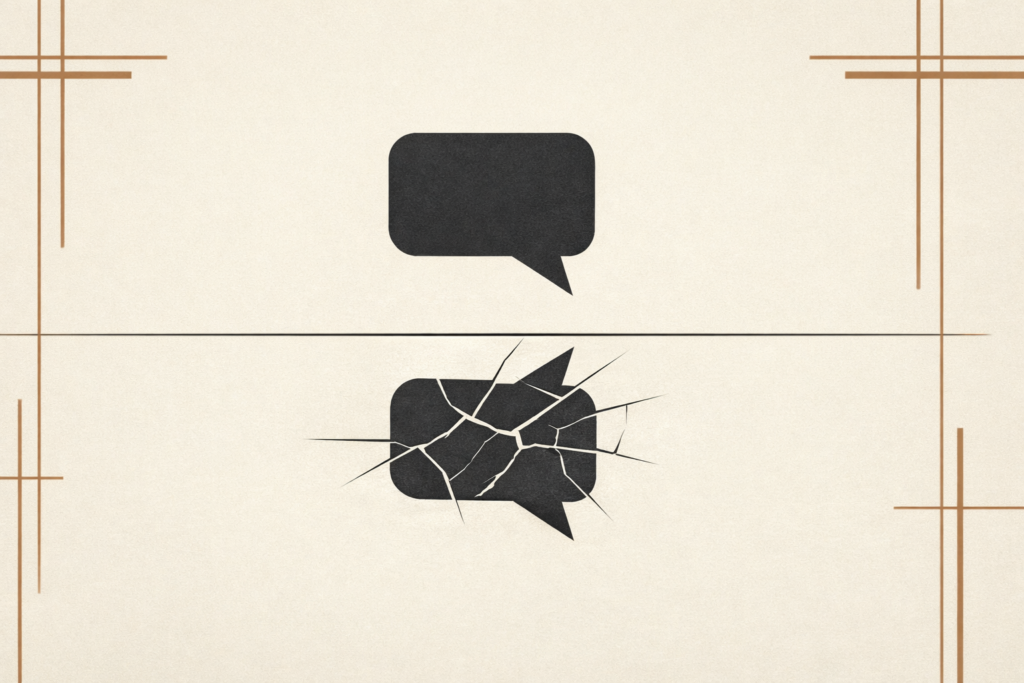
When attention is monetized and restraint is optional, conflict stops being a risk and becomes a product. This is how media systems fail under pressure.
Civic Power & Policy is about more than headlines. It is the study of civic power itself, how rules are written, how incentives shape behavior, and how government, media, and institutions actually function. Understanding civic power and policy gives people the clarity and leverage needed to move with intention instead of reacting to noise.
This category follows how rules get made, how narratives shape policy, and how everyday people can build leverage through clarity, discipline, and organized action. The focus is on systems, not slogans. Receipts, not vibes.
Civic Power & Policy · Note
Civic power is the combination of clarity, coordination, and discipline. It is knowing
how rules are written, who enforces them, and how to move as more than one upset
person in a comment section.
The goal is not constant outrage. The goal is literacy, leverage, and the ability
to act with receipts instead of reaction.
Receipts
Pew Research · Politics & Policy
Data on public opinion, trust, and civic engagement.
Congressional Research Service
Nonpartisan analysis of legislation, federal programs, and policy impacts.
U.S. Census Bureau · Population & Housing
Demographic patterns that shape policy arguments.
Brookings · Governance & Institutions
Research on how governments, courts, and agencies function in real life.
When attention is monetized and restraint is optional, conflict stops being a risk and becomes a product. This is how media systems fail under pressure.
Systems rarely collapse all at once. They drift quietly when comfort replaces accuracy. This System Updates report examines how convenience becomes policy—and why discipline is the only safeguard.
Boards vs founders is one of the most misunderstood governance failures inside institutions. When boards exist but do not govern,
This week, fiscal debate in the United States again centered on limits, tradeoffs, and short-term fixes. Meanwhile, many durable nations
Digital infrastructure failures are rarely treated as public harm. When systems break, communities absorb the cost while platforms move on. This post examines accountability, liability, and who actually pays when digital systems fail.
The fight over “you’re insecure” is not just about feelings. It is about structure. This System Updates breakdown shows how the insecurity vs respect debate exposes whether a relationship is governed by clear rules or convenient exceptions.
Power listens when votes speak with conditions. The Mechanics of Leverage In the American system, the vote is not only
Fred Hampton showed that feeding children is political infrastructure. This System Update breaks down how a breakfast table became a threat to state power.
As states reduced funding for public colleges, student debt quietly replaced public investment. This essay examines how loans became policy infrastructure.
The United States debates spending and debt without a clear picture of what it owns. A nation without a balance sheet cannot plan its future.