

Who Benefits When Blame Moves Under Power and Price
When blame moves away from failure, benefit settles somewhere else. Power and price remain connected, even when responsibility disappears.
Money is not just income. It is structure, timing, and the systems that keep pressure from
turning into panic. Economy & Ownership is where financial discipline, cashflow design,
and asset strategy come together so that households and builders can move with intention
instead of reacting in crisis.
This category is about ownership as infrastructure: bank accounts,
skills, systems, and agreements that protect your time and attention. The focus is on
cashflow, risk, and repeatable habits that turn work into margin, margin into options,
and options into long-term stability.
When blame moves away from failure, benefit settles somewhere else. Power and price remain connected, even when responsibility disappears.

Group economics does not fail because people lack trust or commitment. It fails when structure is missing. This piece explains why shared ownership breaks down and what disciplined systems do differently to last.

Marriage finances under stress expose whether a partnership has governance or just good intentions. The one-pot ideal often confuses symbolism with structure, and pressure reveals the difference.

The economy can be up while people are down. Understanding that gap is the first step toward building stability that actually holds

Tech can diversify the room without distributing ownership. This post breaks down why representation does not automatically produce equity, especially for Black Americans.

Tech wealth concentration is accelerating because ownership compounds faster than labor. This post explains why participation grows while wealth pools at the top.

Financial boundaries are not distance. They are design. Clear money systems protect autonomy, reduce conflict, and turn respect into routine.

Power and price do not disappear after failure. They change direction. When a system breaks, the damage rarely speaks for
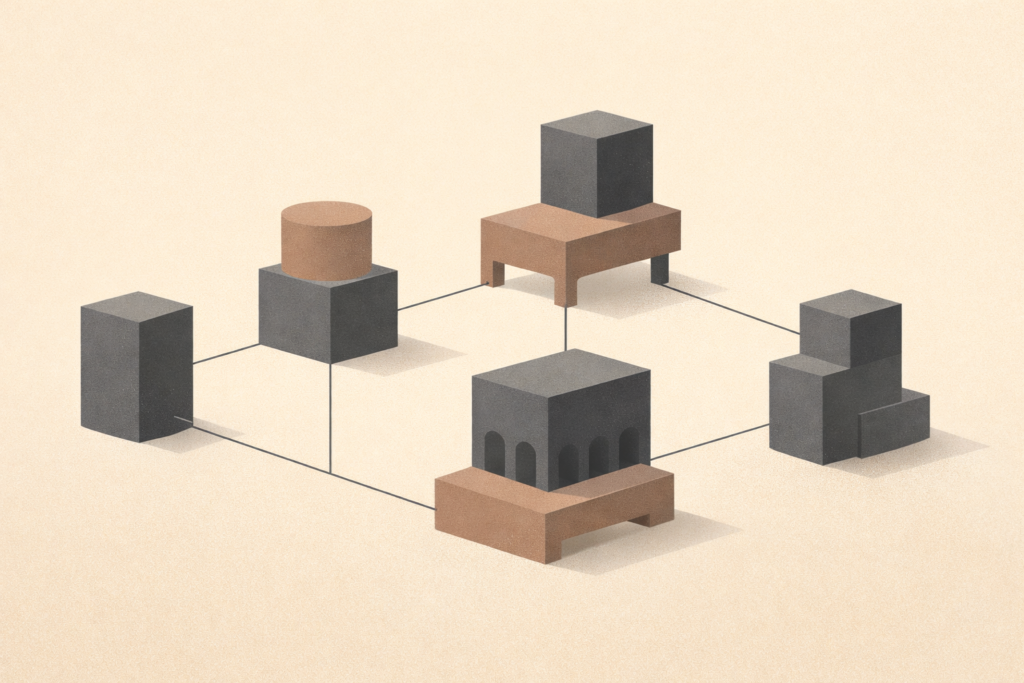
Group economics is often misunderstood as risky or deceptive. This explainer shows how group economics actually works, why it is not a pyramid scheme, and what makes shared ownership models sustainable.

Culture is not mood. It is structure. Before a society debates identity, it quietly decides its load-bearing rules. Incentives, accountability, and shared norms determine whether ambition compounds or collapses. Treat culture like architecture and you will see what is holding — and what is drifting.

Not every change matters. This post explains how analysts distinguish real economic signals from background patterns and why economic accountability depends on interpretation.

Power and price remain connected even when systems appear stable. When costs keep moving instead of being paid, the base eventually breaks.