

Revenue Up but Demand Down: How Both Can Be True
Revenue growth does not always mean stronger customer demand. Higher prices can lift sales dollars even while customers buy less often, purchase fewer units, or trade down.

Revenue growth does not always mean stronger customer demand. Higher prices can lift sales dollars even while customers buy less often, purchase fewer units, or trade down.
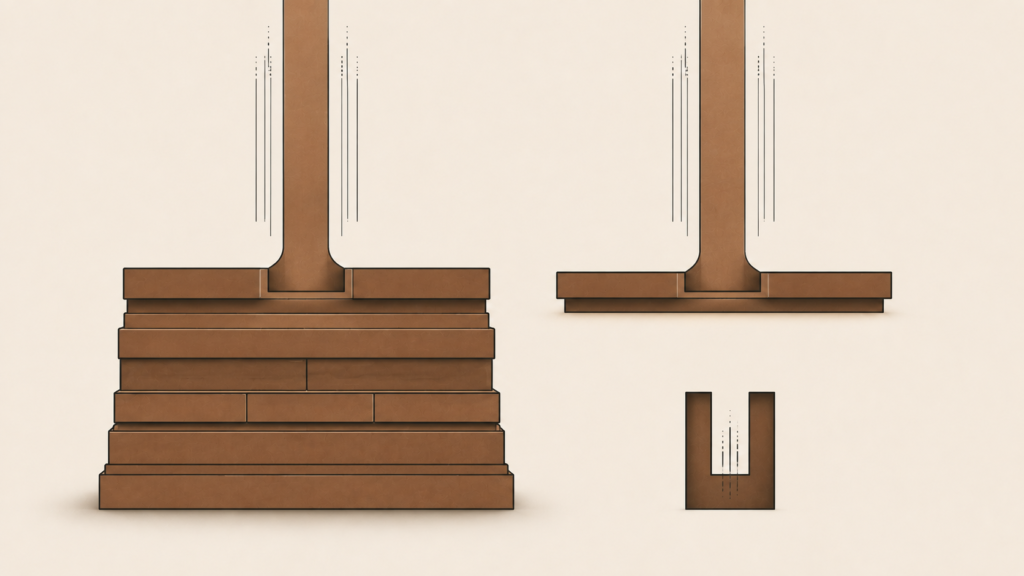
Income shows what a household earns. Wealth shows what it owns after debts are counted. Two households with similar incomes can therefore experience the same economy very differently depending on assets, debt, housing, and time.
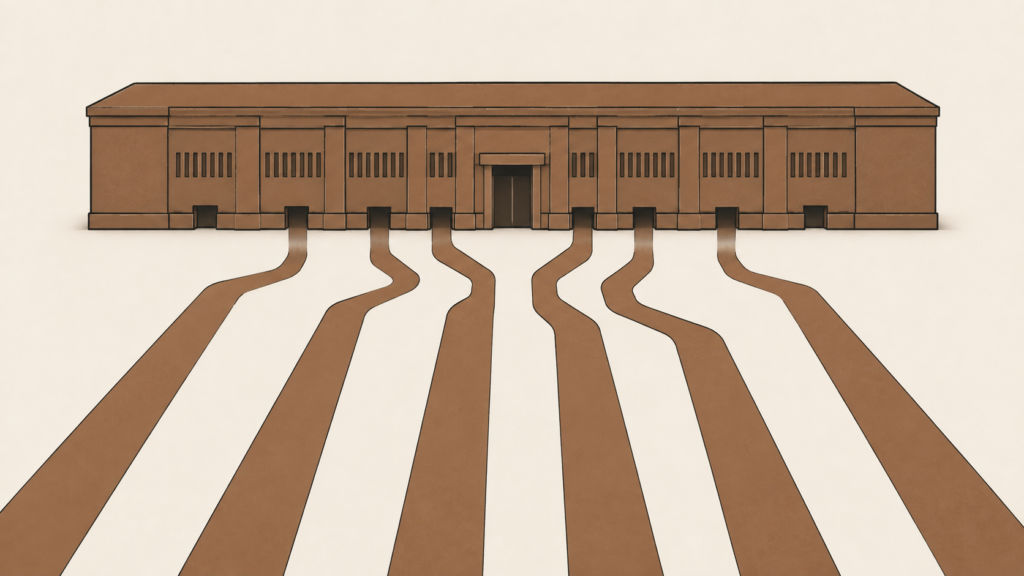
A low unemployment rate can coexist with a difficult hiring market. Employment measures how many people have jobs, while hiring, openings, quits, and job-finding rates reveal how easily workers can move into something new.
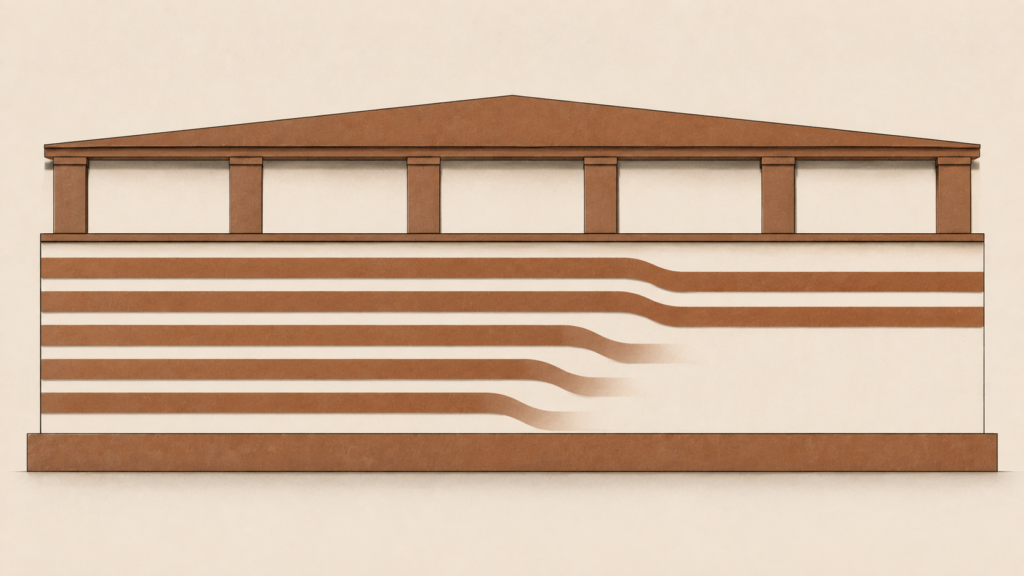
Consumers rarely stop spending all at once. Economic pressure usually appears first through fewer purchases, cheaper substitutions, delayed decisions, and more selective spending long before the broader economy looks weak.
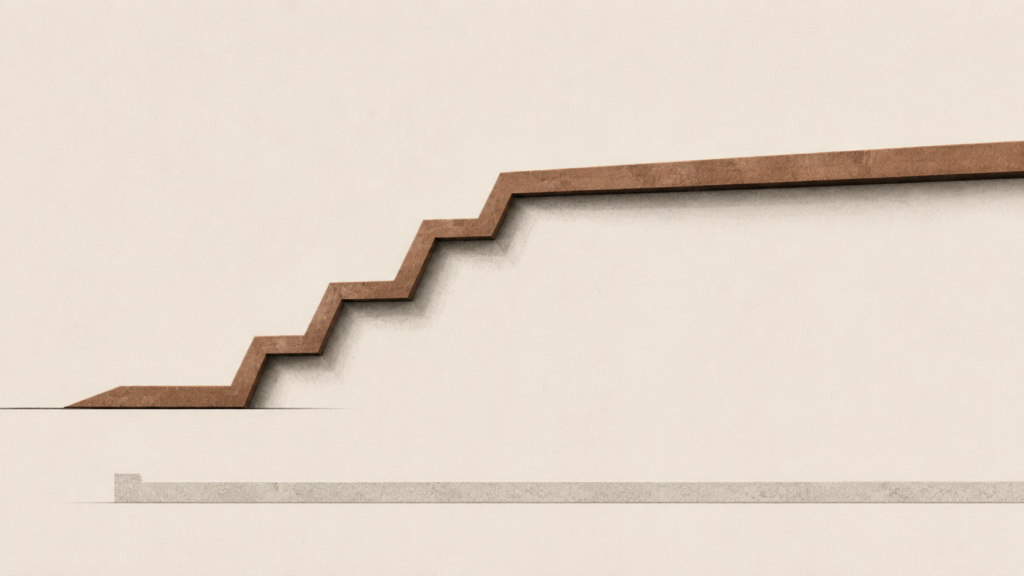
Inflation can fall while everyday prices remain high. Understanding the difference between the inflation rate and the price level explains why improving economic data does not always feel like financial relief.
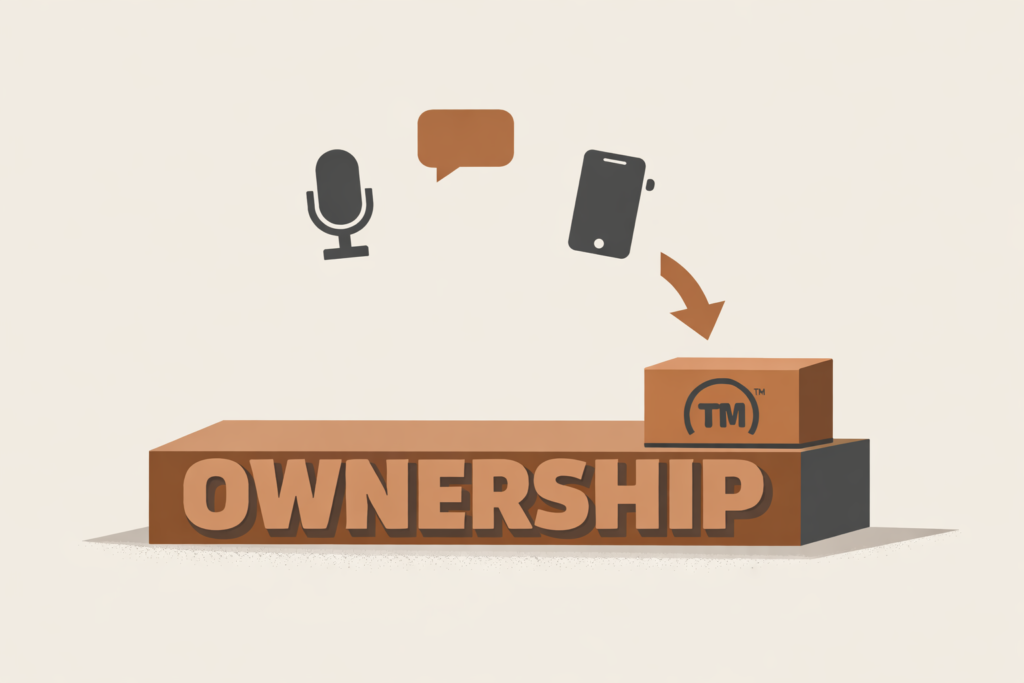
The Tenderism story reveals a deeper lesson about modern economics. Viral attention creates value, but only ownership determines who keeps it. In the creator economy, intellectual property protection is the difference between temporary visibility and lasting leverage.

When growth is driven by assets instead of labor, the economy can expand while workers fall behind. This is not failure. It’s design.

The economy can be up while people are down. Understanding that gap is the first step toward building stability that actually holds

The $20 lunch did not fail because people stopped eating out. It failed because pricing drifted too far from perceived value. Markets eventually correct fiction.