The blueprint of modern life was drafted by hands history often overlooked.
The Foundation Innovators series honors the inventors, engineers, builders, and visionaries who shaped the systems that run the modern world.
Their work set the stage for transportation, communication, home safety, industrial progress, and the everyday flows of life that we often take for granted.
Each profile restores context. It brings clarity to how these innovators built the infrastructure of daily life through discipline, creativity, and steady problem solving. This is a record of impact. This is a record of truth.
Every post aligns with historical dates that matter. Patents. Birthdays. Milestones. We follow the timeline of their real work and place it within the systems we use today.
The Original Builders of Modern Life
These innovators did more than fix problems. They changed the structure of entire fields. They stabilized industries.
They pushed safety, efficiency, and clarity forward in ways that still influence the world today. Their work shows how ideas become systems and how discipline becomes legacy.
What You Will Find Here
Profiles of innovators whose work shaped transportation, communication, home safety, and industry.
Deep research grounded in historical records, patent archives, interviews, and contemporary context.
Narratives tied to real dates and real milestones.
Clear lineage from their work to the systems we rely on today.
Insight into the discipline and problem solving behind their breakthroughs.
Why This Category Exists
The modern world did not appear on its own. It was built by workers, thinkers, and problem solvers whose names often stay in the margins.
Foundation Innovators restores balance by documenting the architecture behind daily life and showing that leadership often begins in the quiet hours where solutions are shaped.
Start with the First Three
Garrett Morgan The Man Who Made Traffic Safer
Marie Van Brittan Brown The Woman Who Made Homes Safer
Granville T. Woods The Edison of Rail Travel
The series expands into business, finance, aviation, technology, mechanical engineering, and industrial systems.
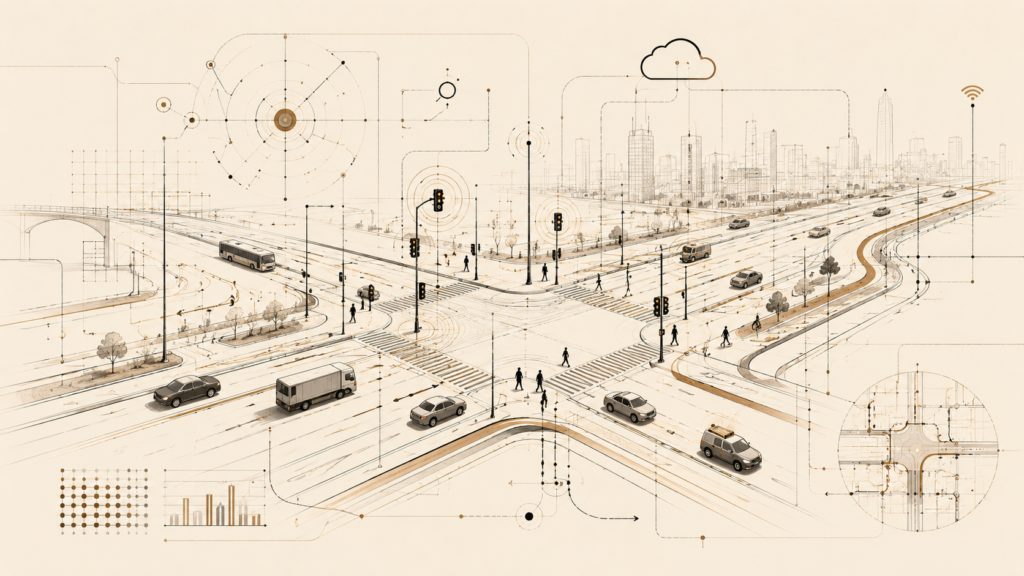
Garrett Morgan helped shape the systems logic behind modern traffic coordination, public safety infrastructure, and predictable urban movement through innovations that still influence transportation systems today.
Electricity changed the world. Reliability made it permanent.
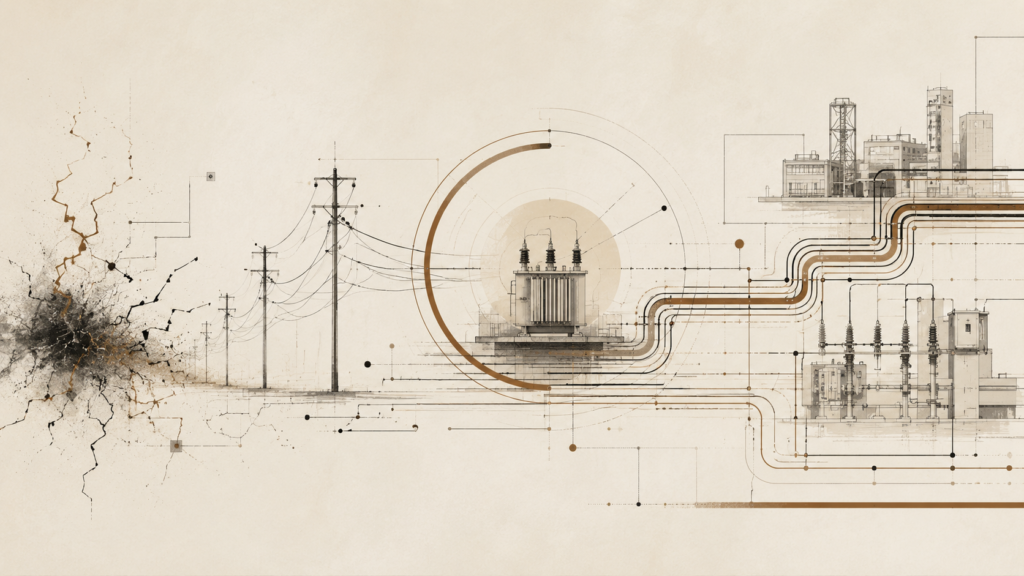
Lewis Latimer helped shape the systems that allowed electrical innovation to become dependable infrastructure. Rather than focusing on invention alone, this edition of Architects of Modern Life explores continuity, operational trust, manufacturing precision, and the hidden work that turns breakthrough ideas into everyday life.
Because infrastructure succeeds when people stop noticing it.
Modern infrastructure depends on communication before movement.
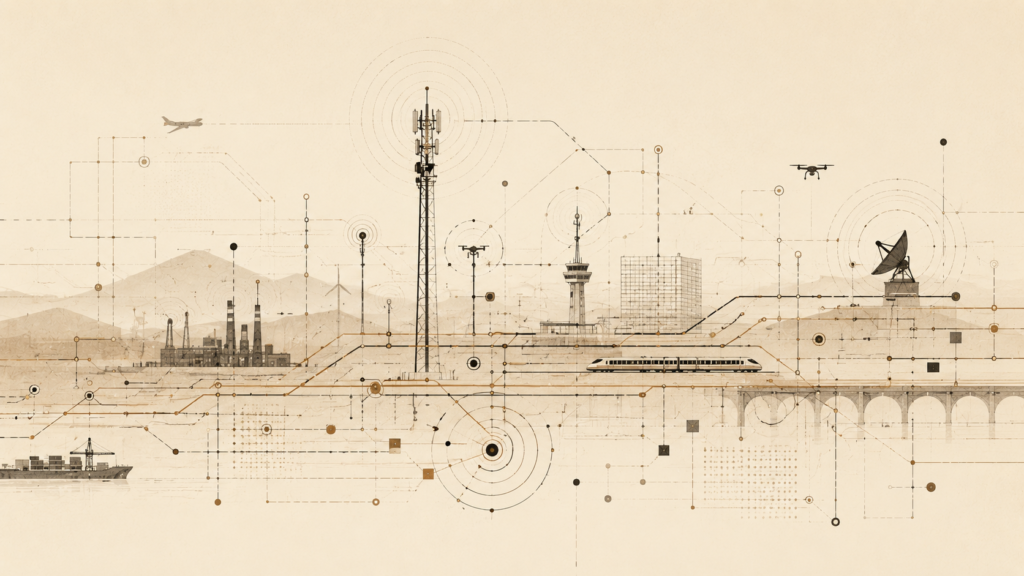
Granville Woods helped shape the signaling and communication systems that allowed transportation, industry, and coordinated infrastructure to operate more safely at scale. This edition of Architects of Modern Life explores how communication became infrastructure through awareness, synchronization, and operational coordination.
Because systems cannot coordinate what they cannot communicate.
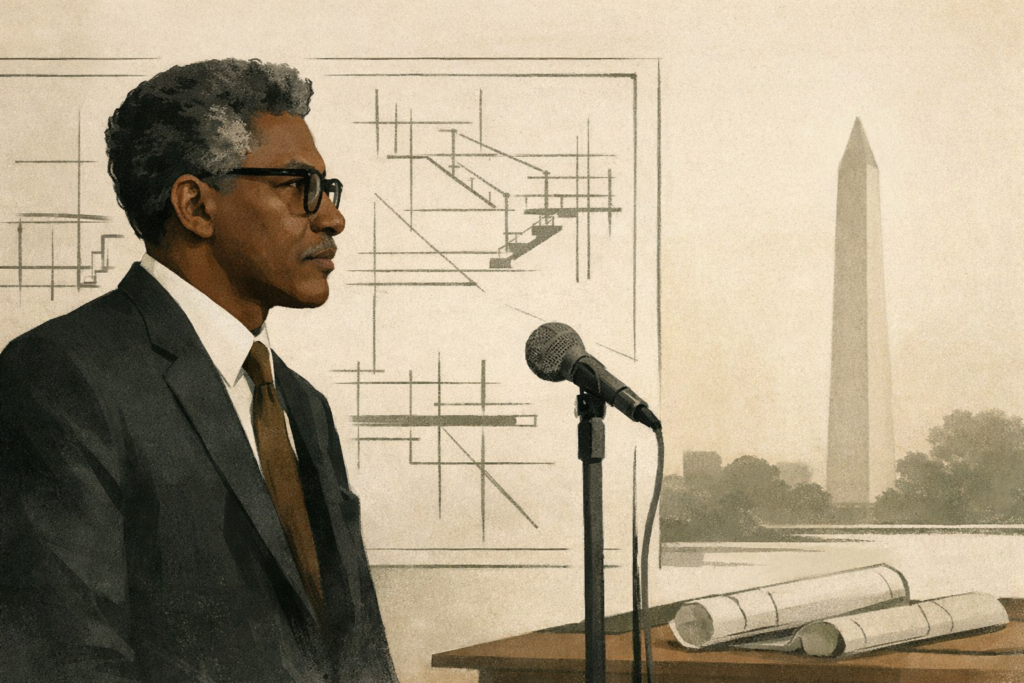
Bayard Rustin built the movement through discipline, strategy, and structure. His work made the March on Washington possible—and reveals what modern movements still lack today.
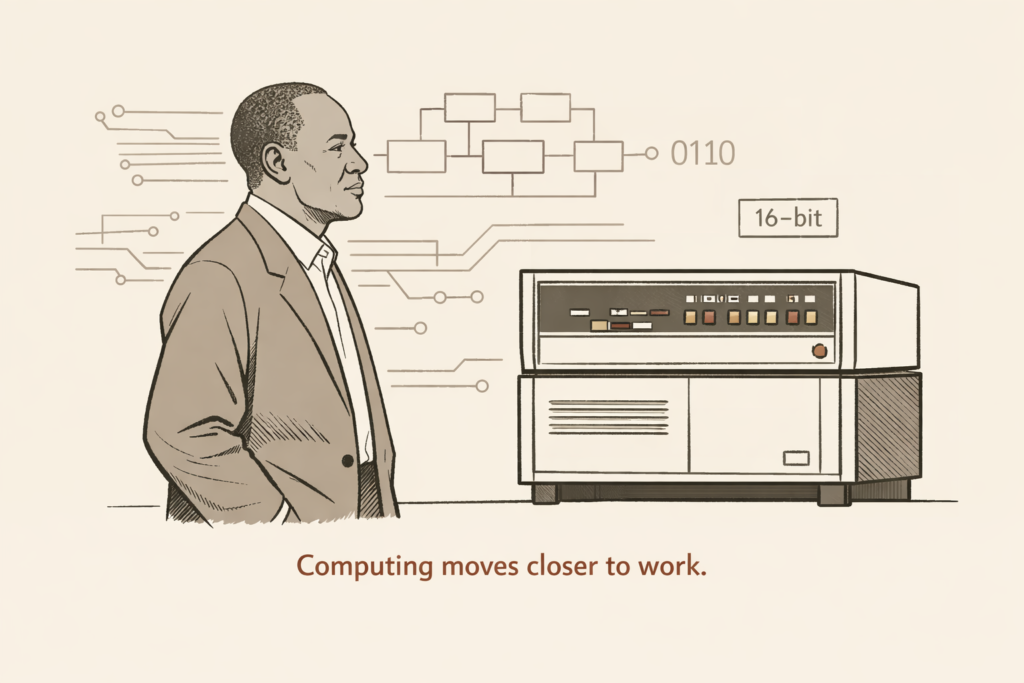
Roy Clay Sr. engineered the conditions that allowed modern computing to scale. Long before Silicon Valley became a brand, he helped move computers out of centralized rooms and into practical, real-world use.
Alice H. Parker inventor of the 1919 gas furnace blueprint reshaped how heat moves through a home. Her work created the quiet architecture behind modern HVAC.
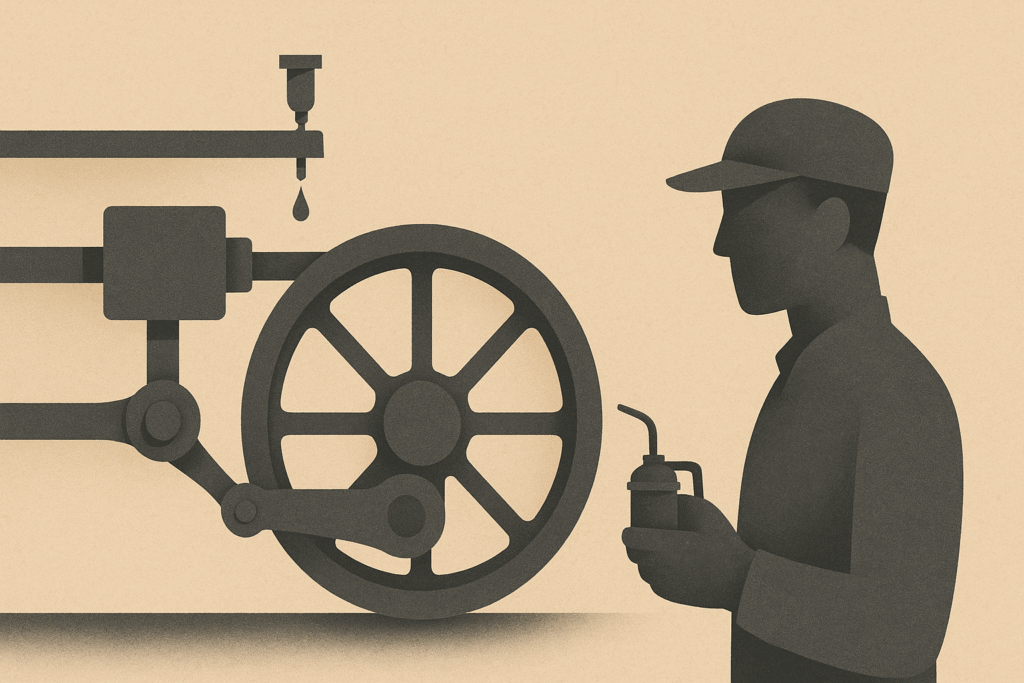
Elijah McCoy redesigned reliability itself. His lubricating cup turned constant interruption into continuous motion and proved that disciplined mechanisms, not luck, are what keep complex systems running. His legacy is a blueprint for how small structural decisions can lift the entire operation.
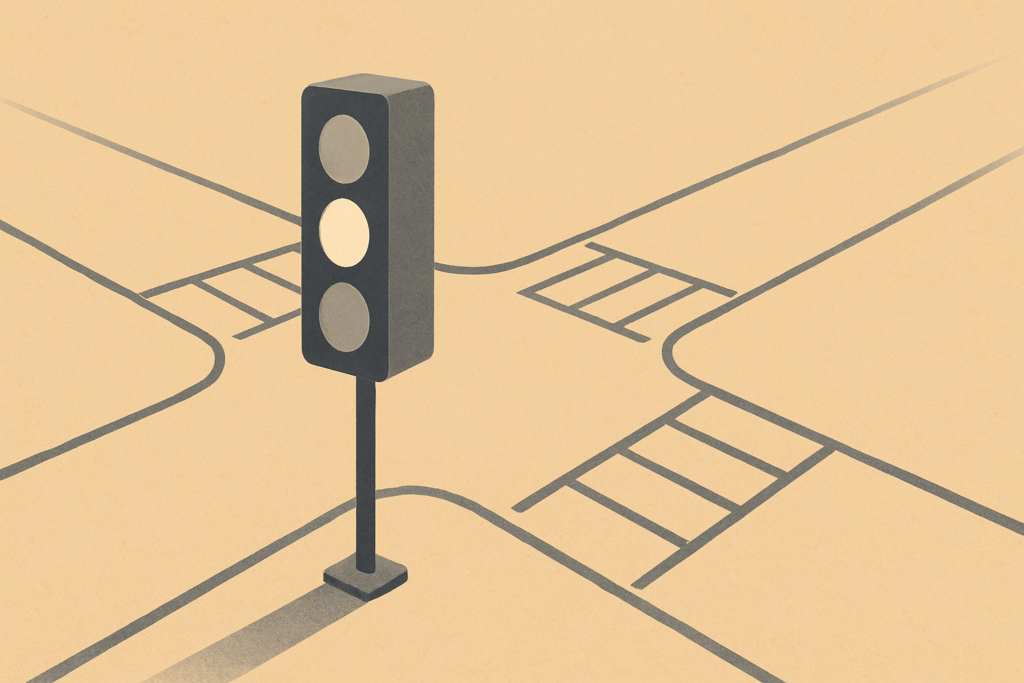
Garrett Morgan redesigned how people move through shared space. His third traffic signal introduced a universal pause that changed street safety, traffic flow, and the rhythm of modern cities. This is the story of a builder who watched the world shift and created the structure that steadied it.