
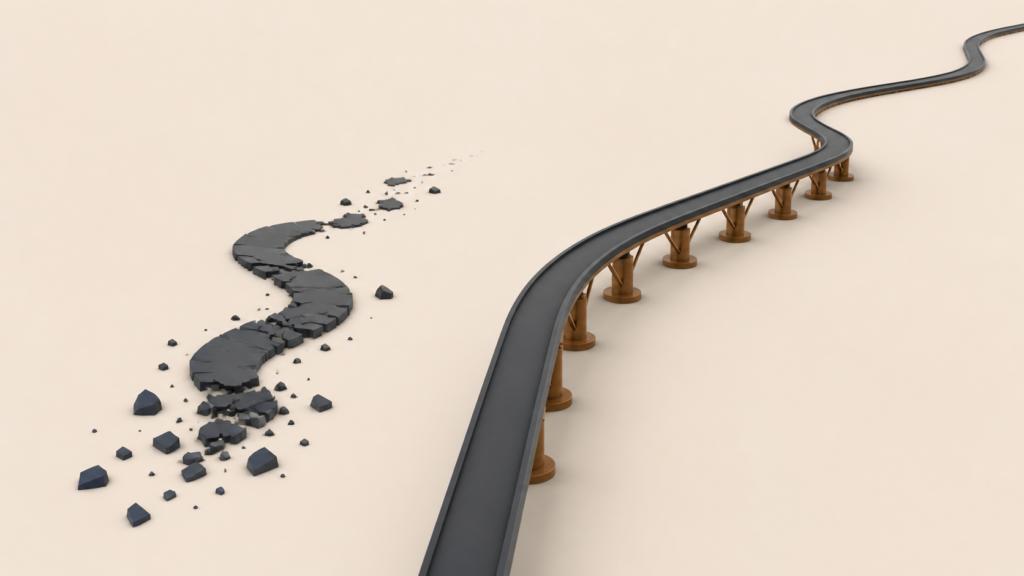
Motivation Is Unreliable by Design
Motivation is unreliable by design. It rises and falls with emotion, energy, and environment. Structure must carry what motivation cannot.
Internal systems behavior control explains how thought, attention, emotion, identity, and baseline state shape behavior before it becomes visible.
This category focuses on the mechanisms behind consistency, clarity, and decision-making under pressure. Each article isolates one part of the system and shows how structure—not effort—determines outcome.
Use this archive to explore how internal systems operate, where they break, and how they can be adjusted to produce stable, repeatable behavior.
Motivation is unreliable by design. It rises and falls with emotion, energy, and environment. Structure must carry what motivation cannot.
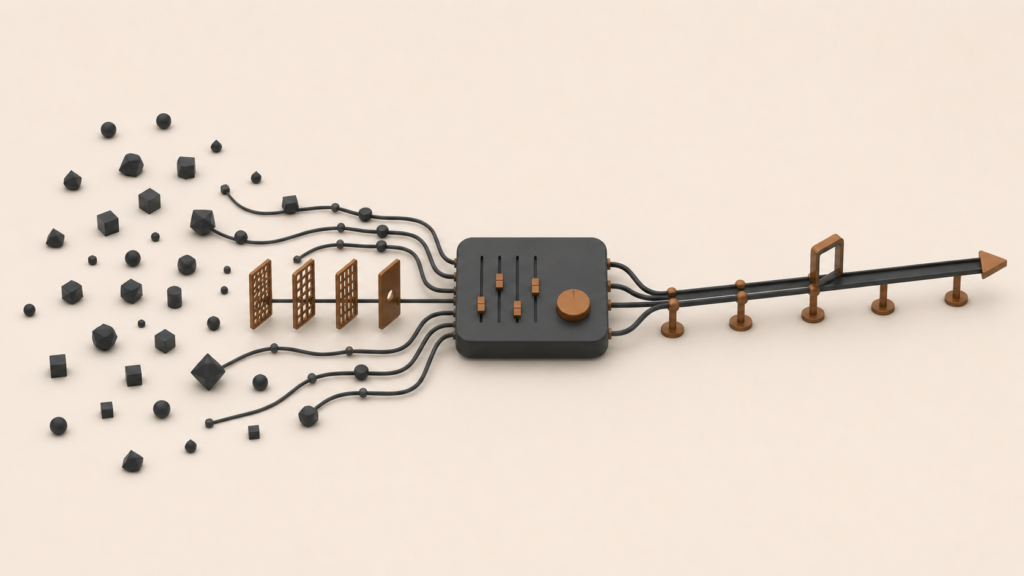
Self-control is not a personality trait. It is a system built through structure, timing, environment, identity, and repeated control points.
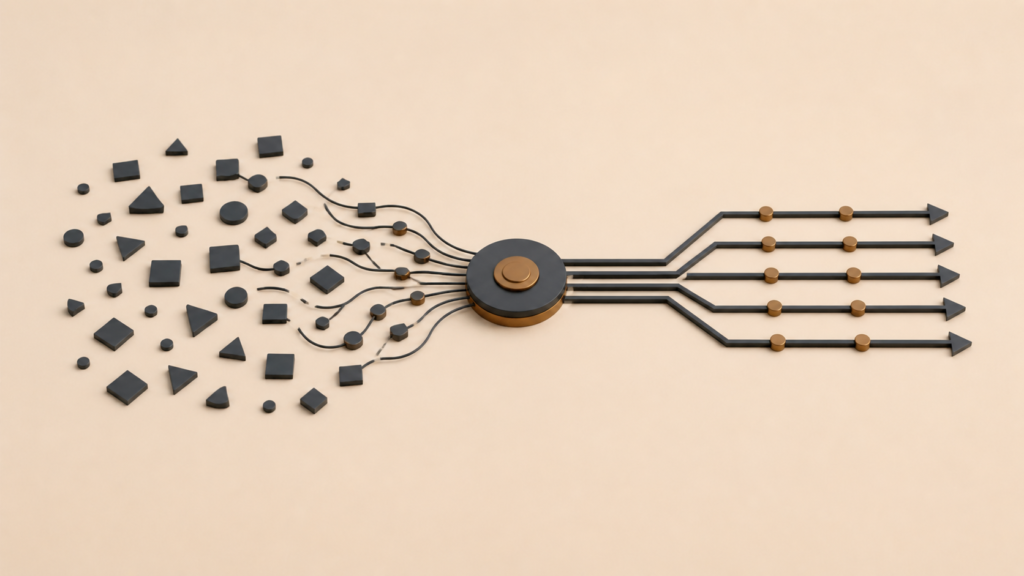
Clarity is a byproduct of control. It does not come from thinking harder. It appears when noise, reaction, and distortion are removed from the system.
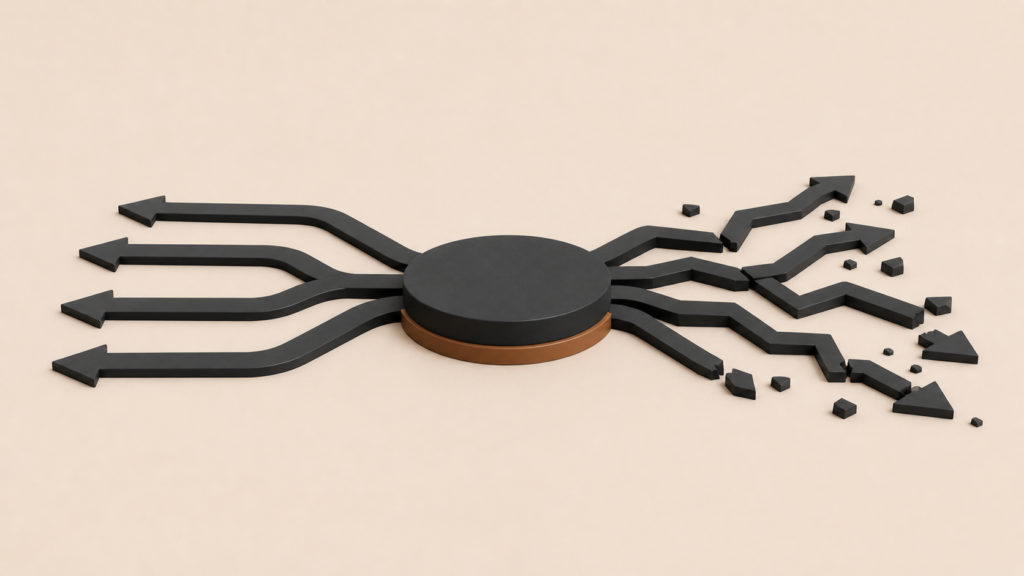
Your default state determines your decisions. If the baseline is unstable, outcomes will follow that instability. Stabilize the system to improve results.

Discipline is not about effort. It is about identity. When identity is weak, consistency breaks.
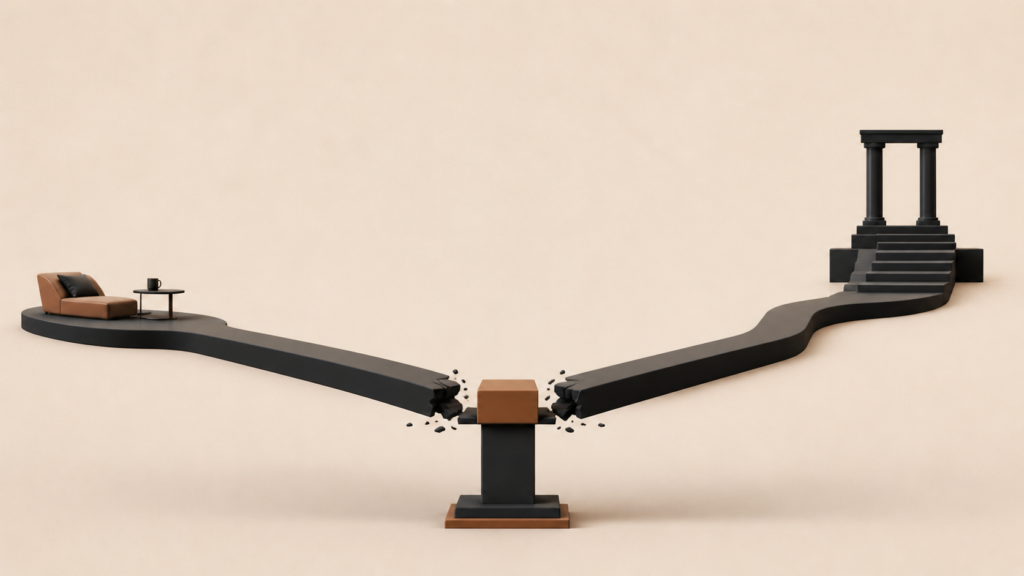
Internal conflict is not confusion. It is a structural misalignment between competing systems. Until alignment is restored, behavior will remain inconsistent and unstable.
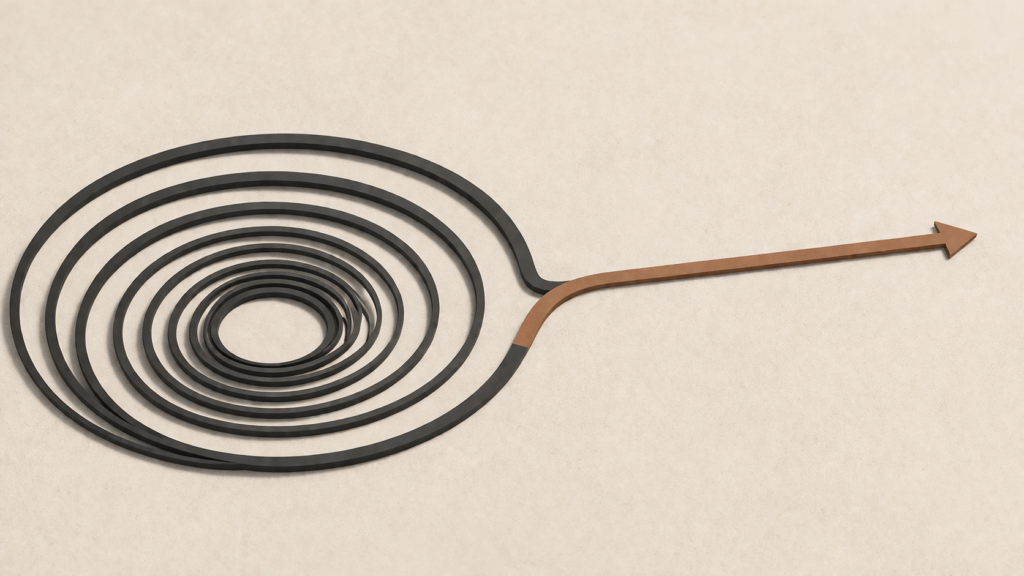
Repetition is not importance. Thought loops create urgency that feels real but isn’t. Control begins by breaking the cycle.
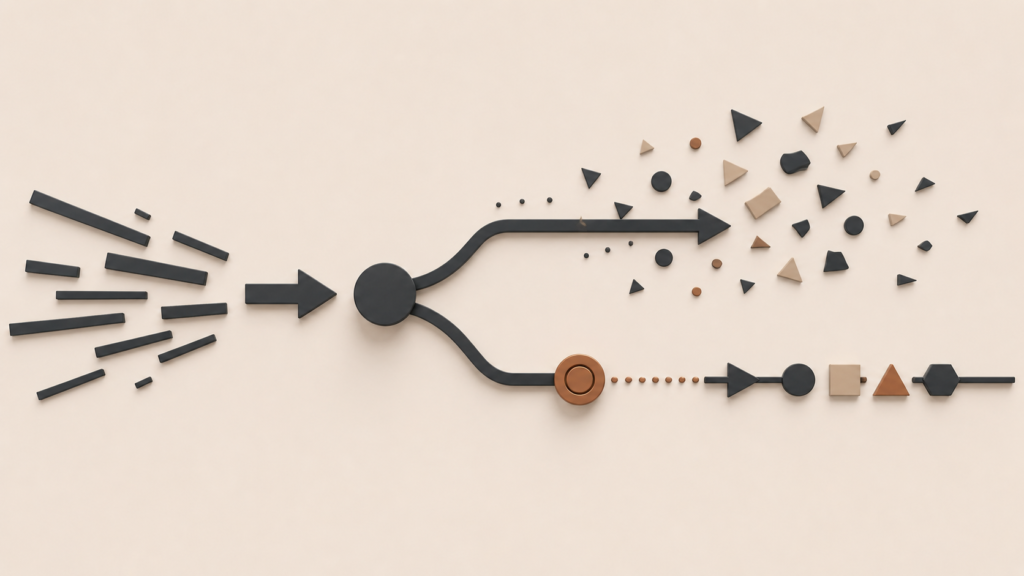
Emotional reactivity is not about feeling too much. It is about responding too fast. Control begins in the space between emotion and action.
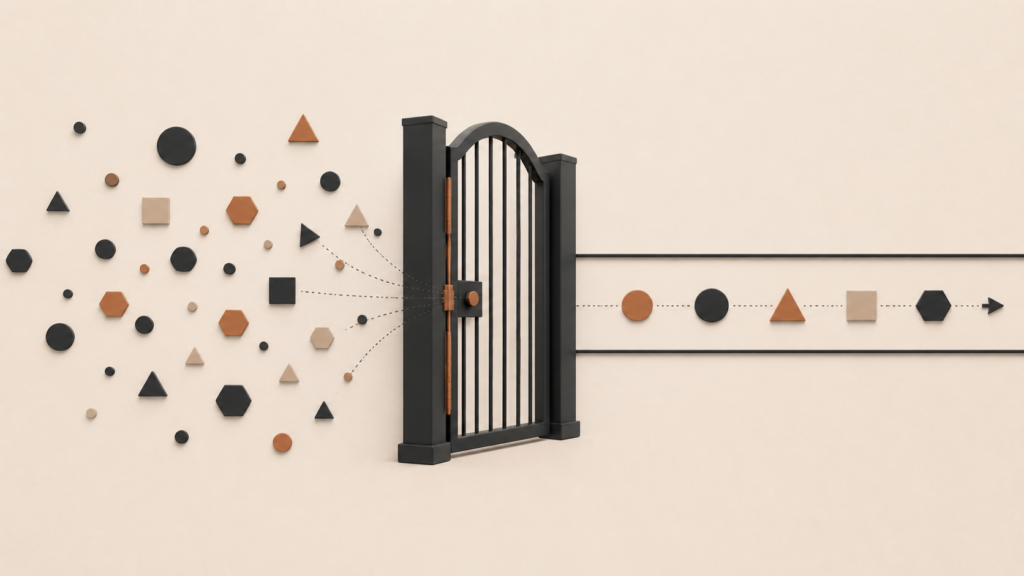
Attention is not a stream to follow. It is a gate to manage. Internal control begins with deciding what gets access.