
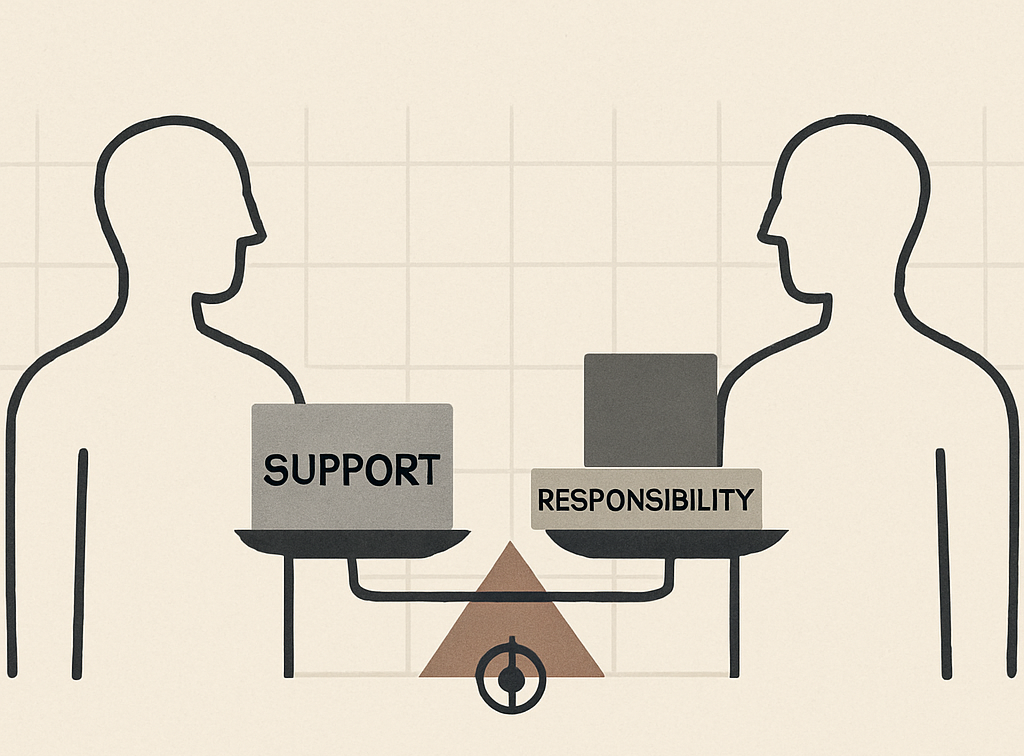
Accountability Is a Form of Strength (Custody Edition)
Why custody disputes expose the difference between emotional intent and structural responsibility.
Foundational principles that define the Groundwork Daily philosophy. Each pillar offers perspective on discipline, community, creativity, and sustainability in personal growth.
Why custody disputes expose the difference between emotional intent and structural responsibility.

A functioning system prioritizes crucial signals over noise, emphasizing clarity and restraint to maintain trust and avoid unnecessary reactions.

Relationship boundaries structure how a connection carries weight. When boundaries are dismissed as insecurity, the real issue is not emotion but design. This Pillar breaks down how structure, clarity, and accountability determine whether a relationship can actually last.

A quiet bandwidth audit reveals the hidden load you carry. It brings clarity to cognitive strain, emotional pressure, silent drains, and the limits that shape your real capacity.

Disciplined transparency is the structure that keeps emotion steady. When clarity becomes a daily practice, stability follows every decision.

Black American culture is not just expression. It is structure built through history, discipline, and survival. Understanding that foundation changes everything.
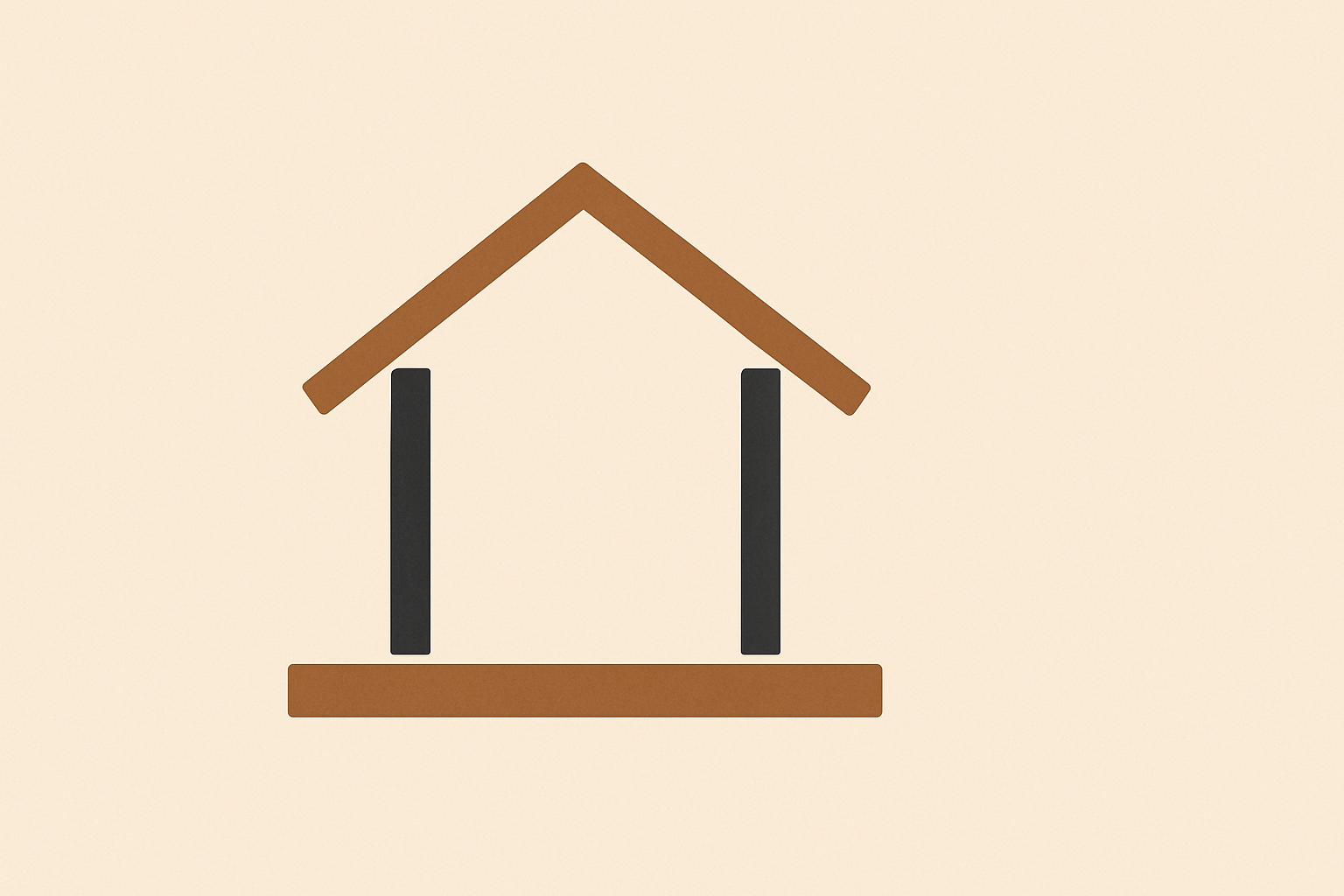
The Family Stability Framework defines how to build a stable family system through leadership clarity, shared roles, predictable routines, and consistent repair. Stability is not emotional. It is structural. When expectations stay clear and systems stay consistent, families become resilient under pressure instead of reactive to it.

Care is not soft work. It is load-bearing infrastructure. Men in nursing reinforce healthcare systems where pressure is highest and failure is not an option.

Quiet Power is long-term strategy disguised as calm. When the noise fades, the real dividend is not applause, but systems strong enough to keep you out of emergency mode.

Stability is not accidental. It is constructed through alignment, shared responsibility, and disciplined reinforcement. When pillars stand evenly spaced and properly anchored, the structure holds. Governance, like architecture, succeeds when each supporting column carries its load without distortion.
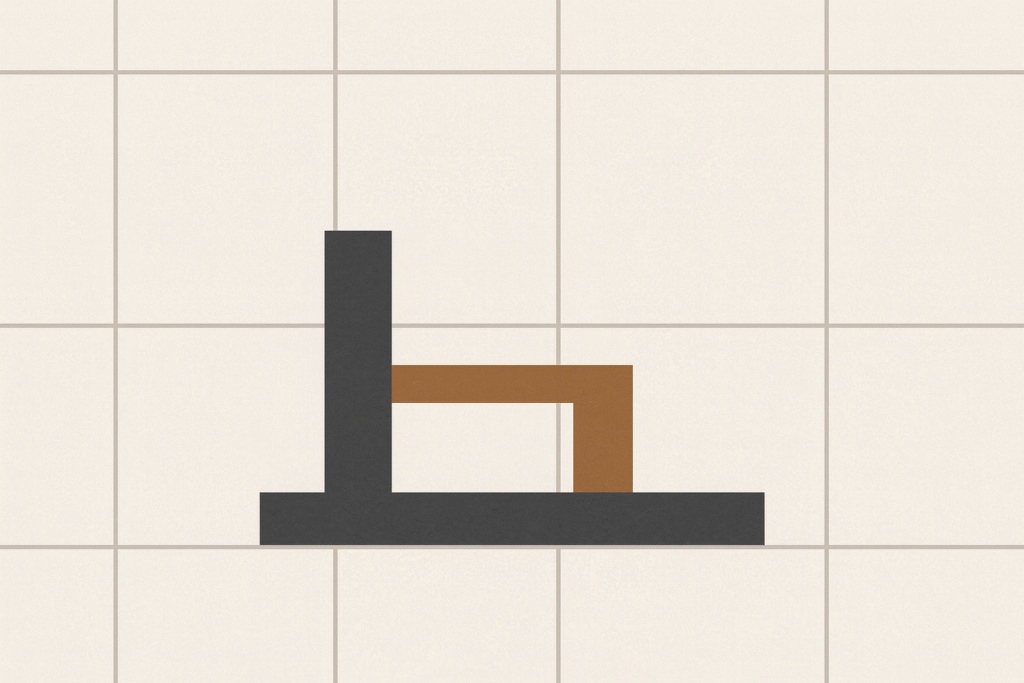
The Self-Governance Framework defines how internal rules, attention, emotional regulation, and reset systems create a life that can hold pressure without collapsing.

Public systems are wobbling. Data is delayed, platforms are drifting, and institutions are no longer the steady anchors they once were. The real recession is not financial. It is the loss of stability. This piece explains the pattern and outlines how private discipline becomes the only reliable foundation.