
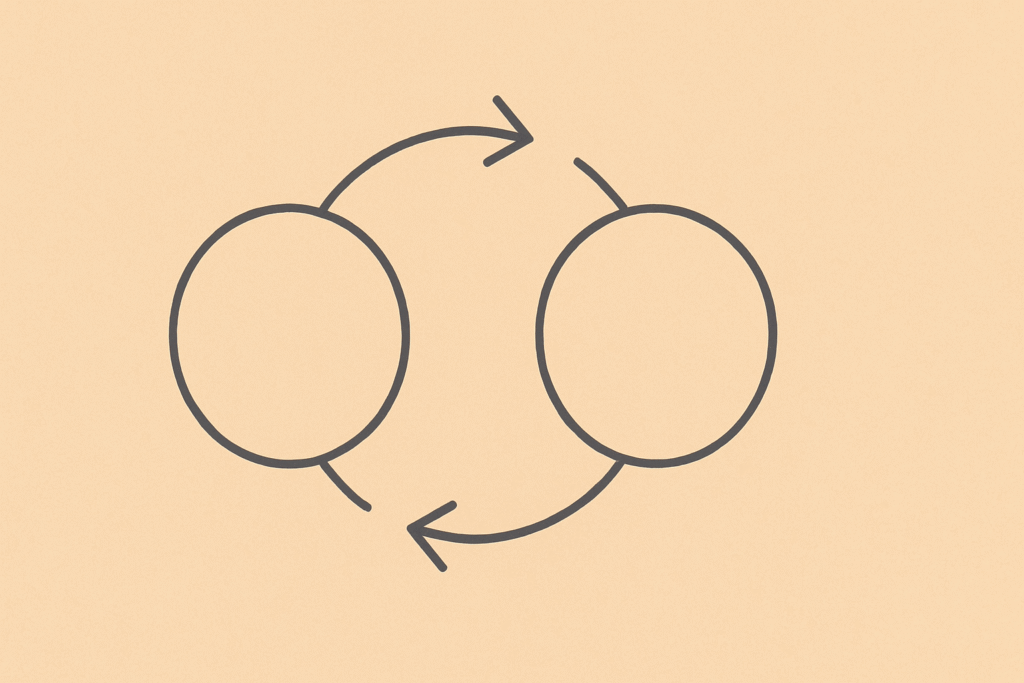
How to Use Systems Thinking in Real Life
Systems thinking reveals the patterns behind your daily outcomes. When you can see the loops, you can change them. Structure becomes strategy, and small adjustments create lasting stability.
Foundational principles that define the Groundwork Daily philosophy. Each pillar offers perspective on discipline, community, creativity, and sustainability in personal growth.
Systems thinking reveals the patterns behind your daily outcomes. When you can see the loops, you can change them. Structure becomes strategy, and small adjustments create lasting stability.
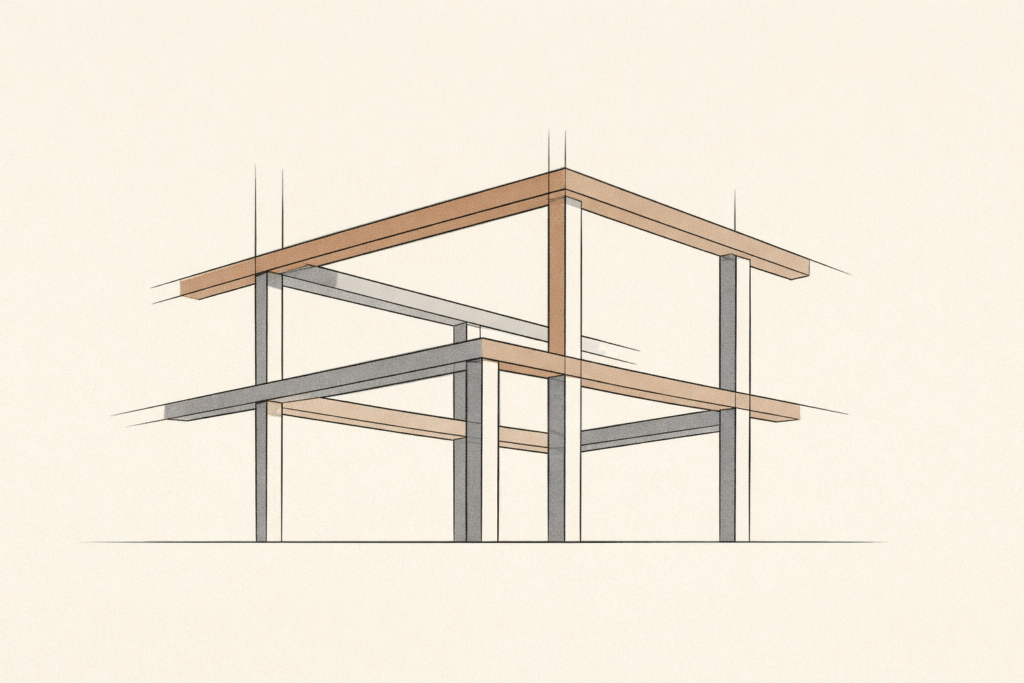
Freedom without structure collapses. Discipline, boundaries, and order are not constraints on freedom. They are the conditions that make freedom durable and usable over time.

Emotional reactions are not accidents. They reveal the structure beneath them. This Pillars entry explores emotional discipline as a daily form of governance.
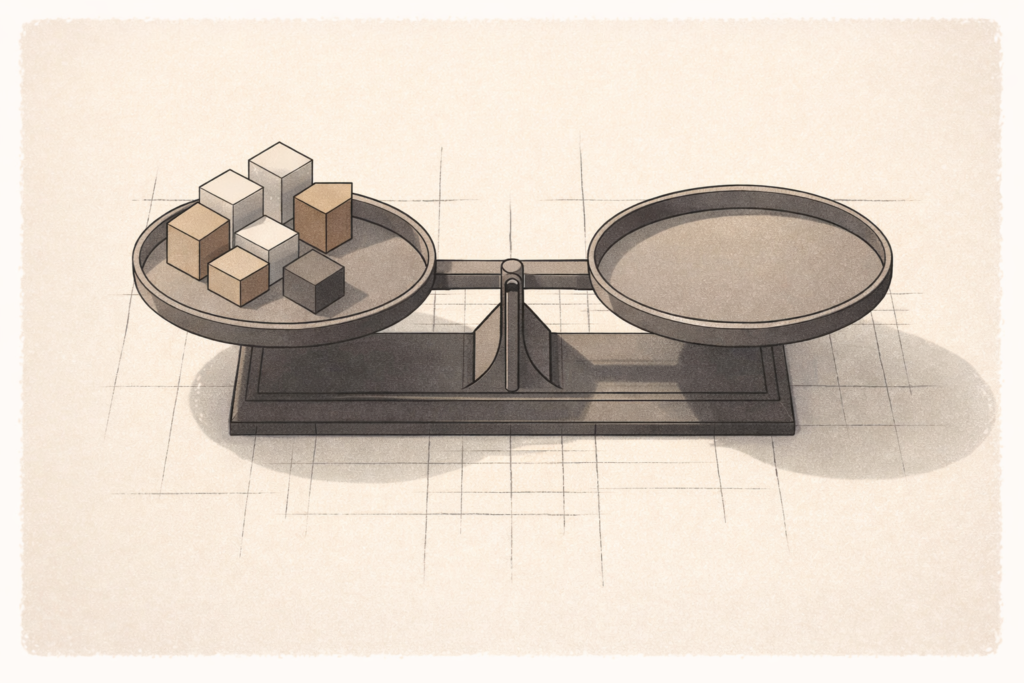
Statistics are tools for orientation, not instruments of blame. When numbers get treated as verdicts, analysis collapses and structure disappears. This piece examines why disciplined interpretation matters more than moral reaction.
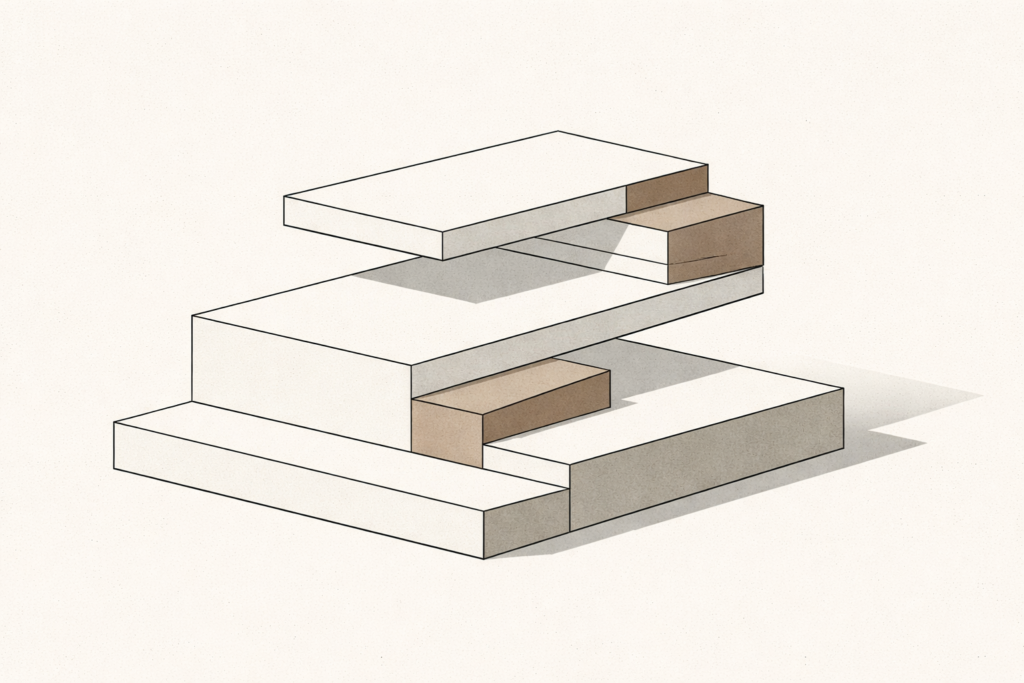
A disciplined life is not driven by motivation or ambition. It is ordered by sequence. Learn before you earn. Earn before you return. Most failure is not caused by lack of effort, but by violating this order.

Statistics are tools for understanding conditions, not instruments for assigning blame. When numbers are treated as moral verdicts, analysis collapses into accusation and clarity gives way to certainty.

The Accountability Framework is a four post sequence on structural accountability. It explores care, correction without shame, clear standards, and early warning signs of breakdown. Together, these pieces offer a maintenance plan for relationships, teams, and commitments that are built to last, not just survive crises.
Authority does not require escalation. The strongest authority stabilizes early, acts with restraint, and maintains legitimacy without force.

Gaming is not the threat. Absence is. This piece reframes the real tension in modern relationships by separating leisure from neglect and showing how presence, priority, and emotional labor actually work together.

People reject structure because they confuse it with domination. True structure is not control. It is care designed to protect people from chaos, harm, and drift.

Motivation keeps failing not because you lack willpower, but because effort without structure cannot sustain itself for long.

Unity fails quietly when shared spaces, time, and trust become too expensive to maintain. This is not suppression. It is pricing.