The Discipline of Emotional Authority
Emotional authority is disciplined steadiness under pressure. It builds trust, stabilizes leadership, and commands respect without escalation.
Was American slavery the worst in history? The better question is how different slave systems were built, enforced, and sustained across generations.
Preemption explains when federal law overrides state law. This Civic Education post breaks down how authority conflicts are resolved in a layered system.
Intensity gets attention. Recovery builds capacity. When sleep, nervous system regulation, and load management are neglected, performance stalls. Recovery is a performance skill, not a luxury.
Structure for increased output helps you grow sustainably by strengthening the systems, boundaries, and routines that support repeatable work.
Demand for skilled trades is rising across construction, energy, and manufacturing as infrastructure expansion and labor shortages reshape the modern workforce.
University rankings measure prestige. Institutional culture determines whether students grow into confident leaders, professionals, and citizens.
Black prom culture is often judged at the level of spectacle. This piece argues that the real story is structural: visibility, status, family labor, and the misalignment between celebration and long-term reward.
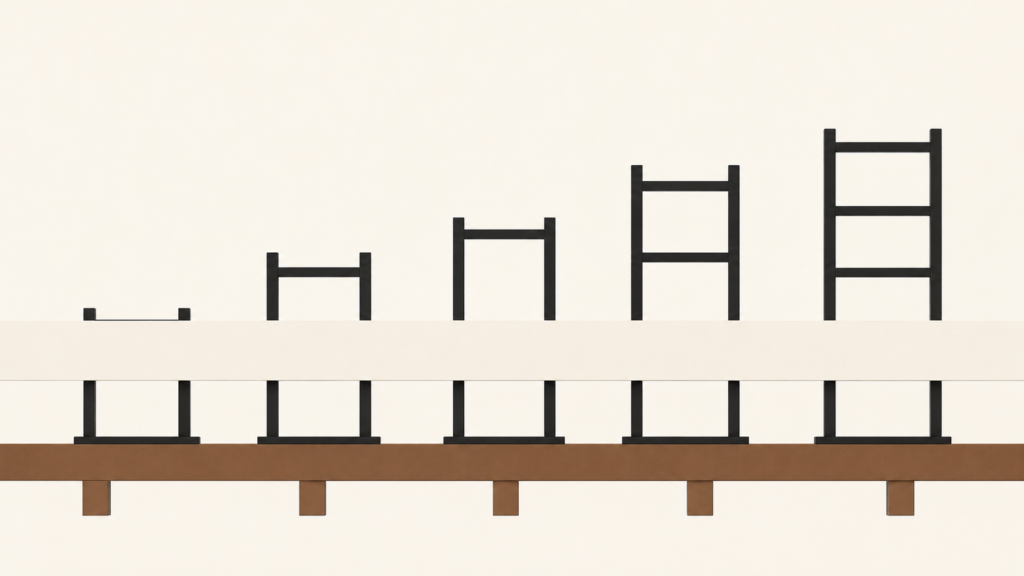
Controlled expansion discipline helps you grow without collapse by treating every new addition as a future responsibility, not just a present gain.
Inflation headlines dominate economic coverage, but most people never learn what CPI actually measures. This edition of The Analyst’s Ledger breaks down how inflation reports work, why markets react so aggressively, and what rising prices may — or may not — actually signal about the broader economy.
Modern dating is no longer governed by shared expectations but by shifting incentives that reward short-term gain over long-term commitment. This analysis explores how transactional behavior, digital abundance, and cultural drift are weakening relationship stability and, in turn, undermining family formation as a core pillar of social infrastructure.
Clarity is not created by doing more. It is created by removing what no longer belongs. Progress begins when interference is reduced.