

Transparency Without Enforcement Is Theater
Transparency without enforcement is theater. In governance systems, transparency without enforcement does not create accountability. It creates visibility without consequence, […]
Transparency without enforcement is theater. In governance systems, transparency without enforcement does not create accountability. It creates visibility without consequence, […]

Filters do not create better partners. They only sort for compatibility at the surface level. Without shared training, accountability, and skill development, filtering becomes a bureaucratic substitute for growth. The result is an orderly dating system that screens people efficiently while producing the same relational outcomes over and over again.

Statistics are tools for understanding conditions, not instruments for assigning blame. When numbers are treated as moral verdicts, analysis collapses into accusation and clarity gives way to certainty.

Shared ownership systems work when structure replaces improvisation. This guide explains how group economics functions, why it fails, and what makes cooperation durable.

Incentives shape behavior long before values are declared. When rewards and enforcement patterns repeat, they harden into norms. Over time, those norms become culture. Culture forms whether leaders design it or not. The only question is whether incentives align with long-term stability.

When the same outcomes repeat across generations, the explanation is rarely chaos or culture alone. Concentrated fatherhood reflects incentive structures that quietly reward repetition while leaving other paths unused.

Silence as infrastructure is not passive. It keeps systems standing by hiding strain and preventing accountability from landing where damage begins.

The Accountability Framework is a four post sequence on structural accountability. It explores care, correction without shame, clear standards, and early warning signs of breakdown. Together, these pieces offer a maintenance plan for relationships, teams, and commitments that are built to last, not just survive crises.
Group economics only lasts when governance is clear. This piece explains the rules, roles, and records that keep shared ownership stable under pressure.
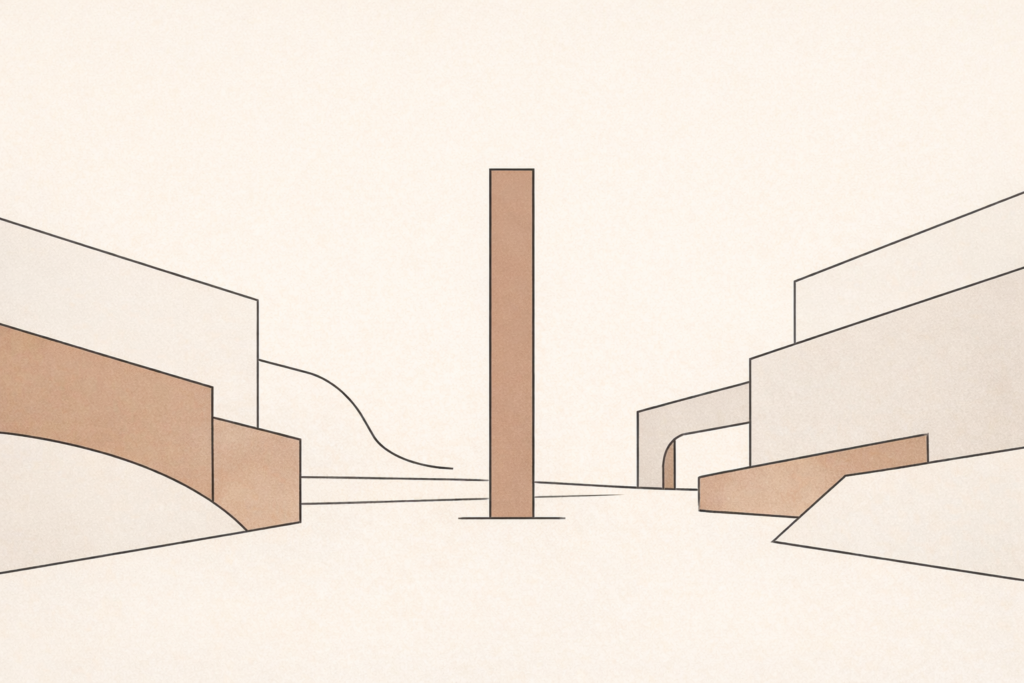
Authority does not require escalation. The strongest authority stabilizes early, acts with restraint, and maintains legitimacy without force.
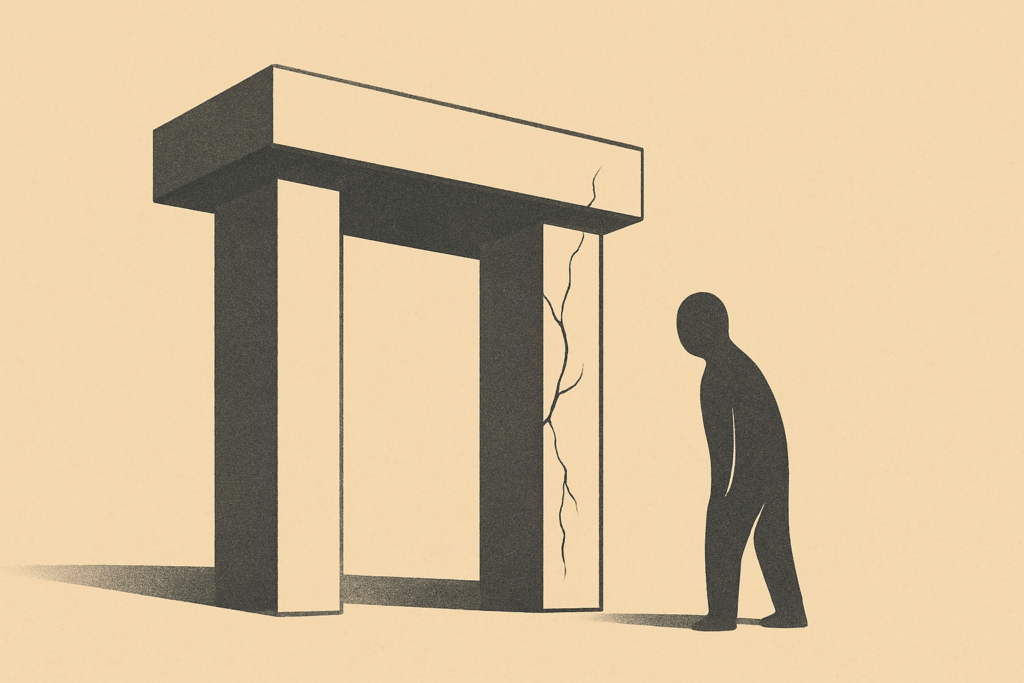
A system rarely collapses without warning. The first signs are small: silence, drift, missed commitments, and quiet workarounds. These subtle shifts reveal where trust is thinning and where structural attention is overdue. Early maintenance protects the long-term strength of any relationship, team, or commitment.

Overthinking imitates discernment but drains clarity. Discernment reflects, then decides. Move, then learn. Action reveals truth faster than analysis does.