Daily Routines for Stability at Home
Stability is not something you feel. It is something you repeat. Daily routines are the system that keeps a home from slipping into disorder.
One person maintains the space. Everyone else uses it.
The hallway tells the truth quietly—order exists, but only where someone chooses to carry it.
The rest is drift. Not failure by accident, but neglect by design.
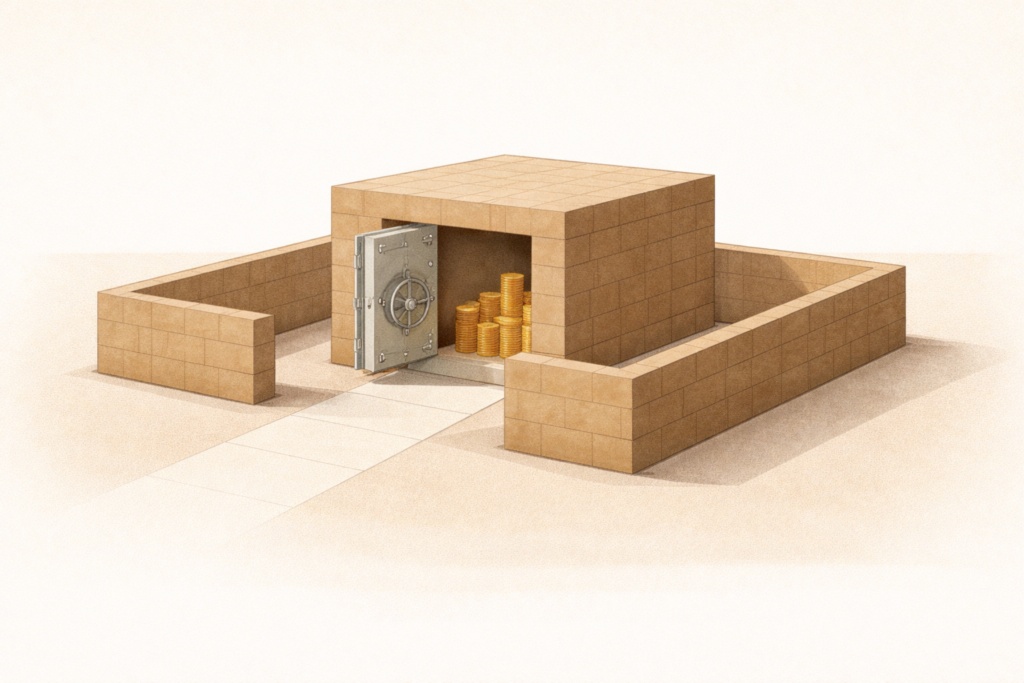
Shared systems do not fail from lack of care. They fail when contribution becomes optional and extraction goes unchecked.
The internet runs on attention, and media companies know it. Once platforms realized human focus could be measured and sold, the entire culture started reorganizing itself around clicks, outrage, and endless scrolling.
Structure is mercy because it protects your life from avoidable chaos. This principle explains how disciplined systems reduce confusion, preserve capacity, and create stability that can hold weight.
A personal discipline standard is built through repeated actions, not declarations. What you consistently maintain becomes what you can rely on.
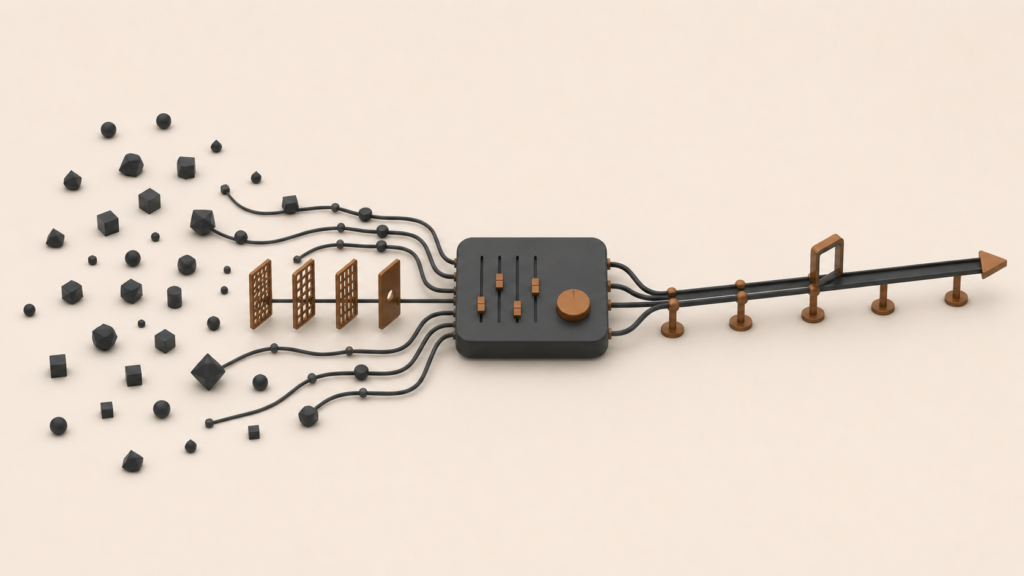
Reduce operational friction to improve workflow efficiency and output. Today’s Blueprint shows how removing resistance creates better systems and sustainable performance.
Consistency plateau discipline is where most people lose momentum. When progress slows and results stop showing, the system is not broken. It is stabilizing. The work shifts from chasing outcomes to maintaining structure.
What trends is not what matters. Trends measure attention, while what matters determines outcomes and long-term direction.
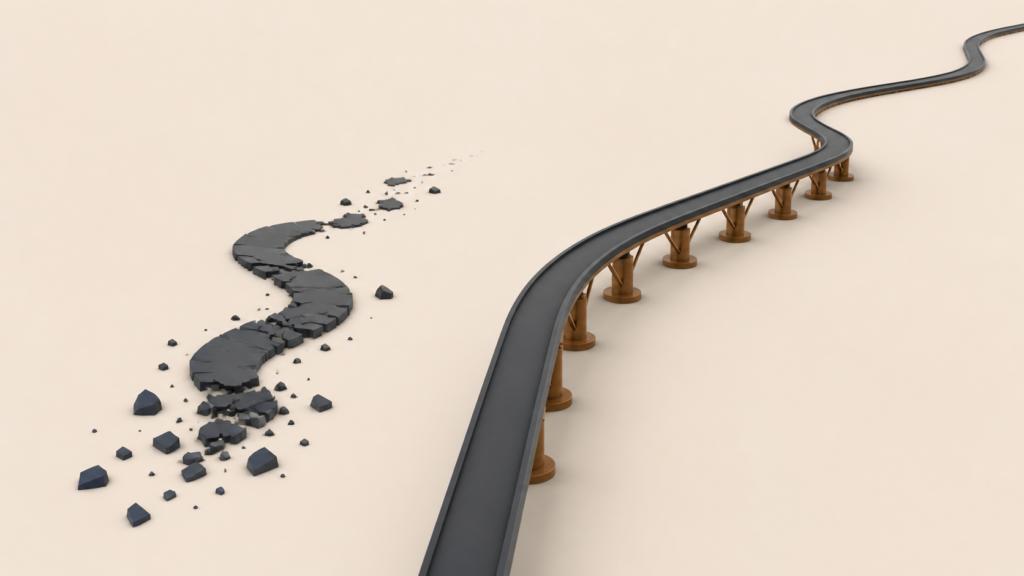
Conditions appear stable, but underlying structure has not fully reset. False stability forms when calm is mistaken for readiness. The system looks settled but remains vulnerable to disruption. What appears steady may still be in transition.
Workforce policy is rarely treated as infrastructure, yet it determines how people enter skilled work and how economies build the labor capacity they depend on.
Habit pattern awareness helps you see what repeats before it becomes a problem. When patterns are visible, you can adjust them early and protect consistency.