Economic Pressure Drives Migration Flow
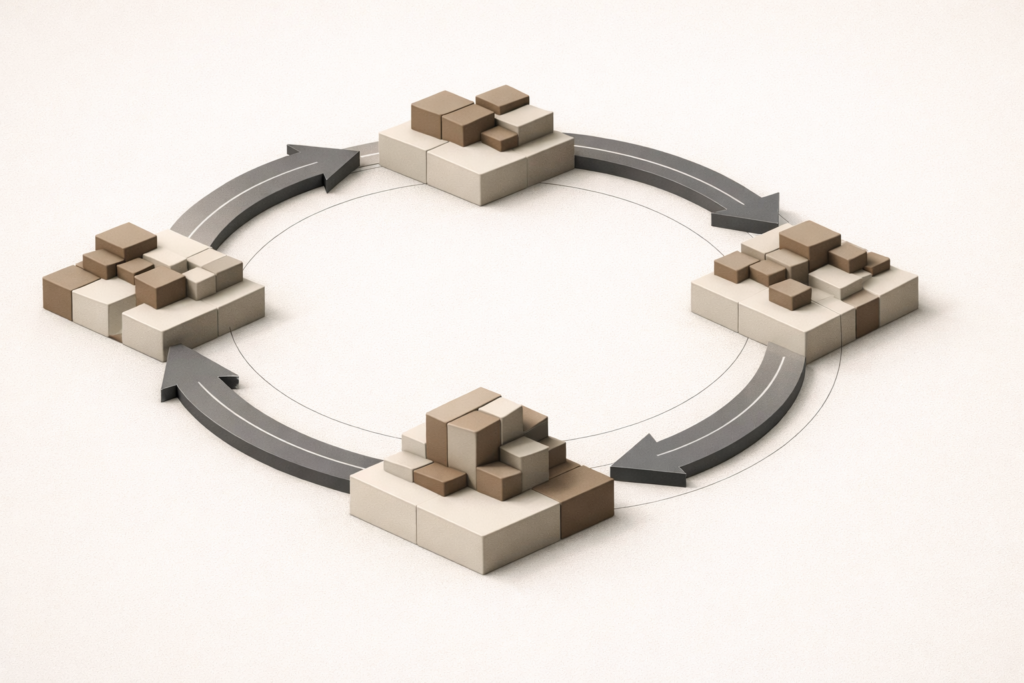
Economic pressure drives migration flow by creating instability within local systems. When income, opportunity, and infrastructure weaken, movement becomes a structured response rather than a random event.
Policy incentives shape migration patterns by driving behavior through system design, not enforcement. This breakdown explains why movement continues and how misaligned systems sustain pressure.
Discipline builds identity long before results appear.
Perception follows structure. Incentives, repetition, visibility, trends, and attention work together to shape what people believe and copy.
Visibility is not validation. What gets seen the most is not always what matters, what is true, or what deserves attention.
A quiet reset for when discipline feels heavy. This reflection explores how to reset your mind without losing momentum, using stillness, intention, and daily mental discipline to regain focus.
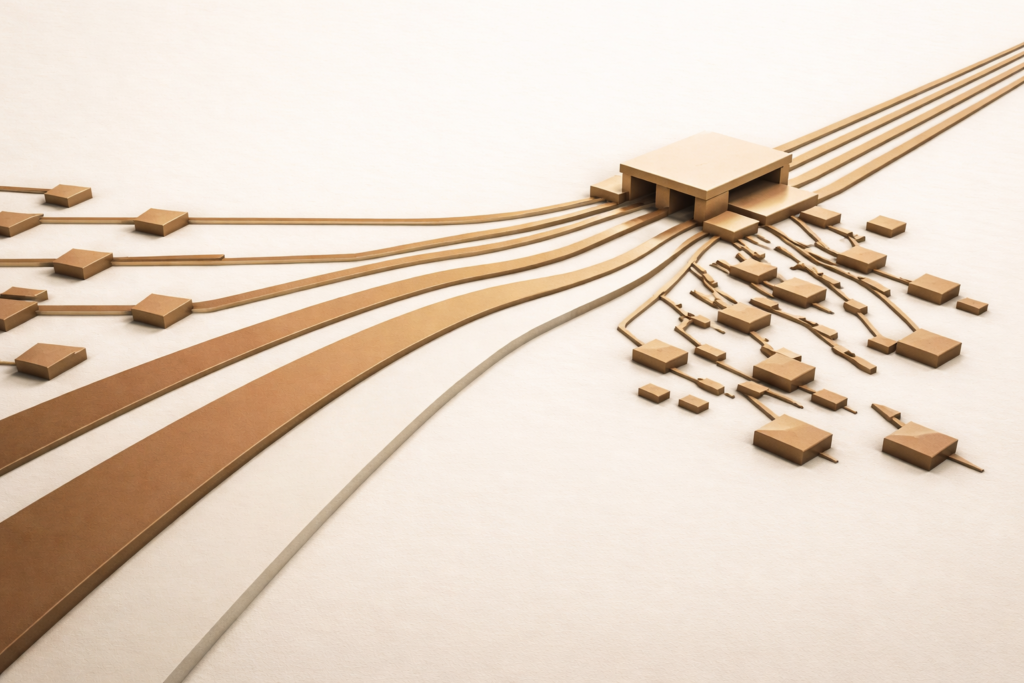
A single input splits into two systems. One expands into shared infrastructure. The other restricts flow through control points. This diagram exposes how language either builds networks or fragments them.
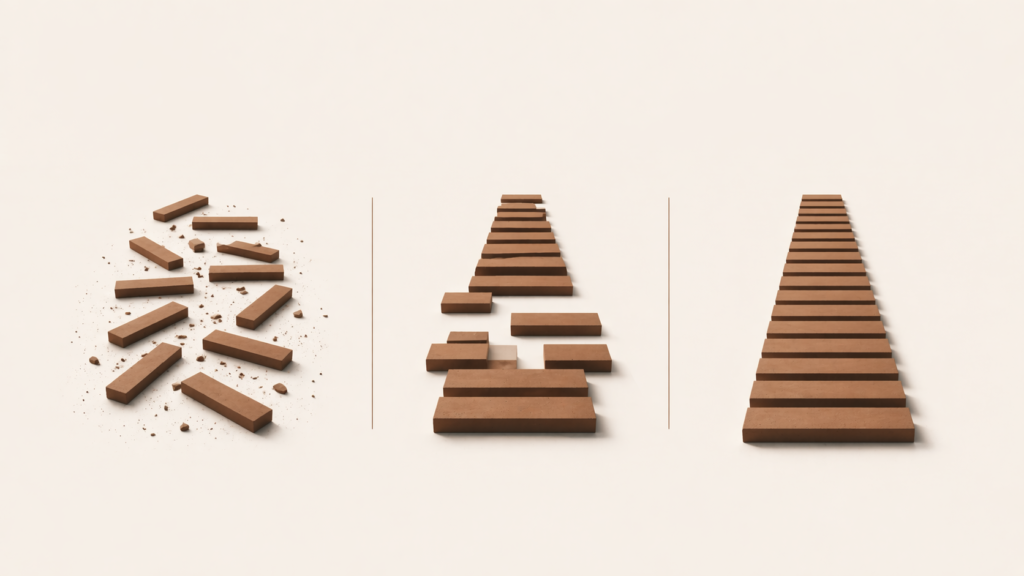
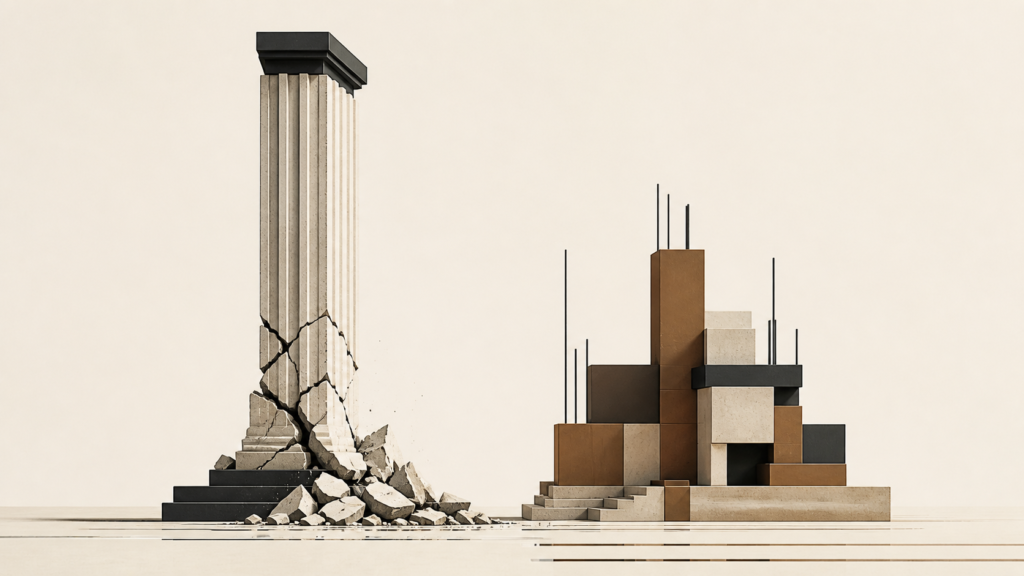
Systems rarely fail all at once. They drift. Standards soften, shortcuts appear, and discipline slowly erodes. Today’s Blueprint explains why protecting the standard is what keeps structure from sliding back into disorder.
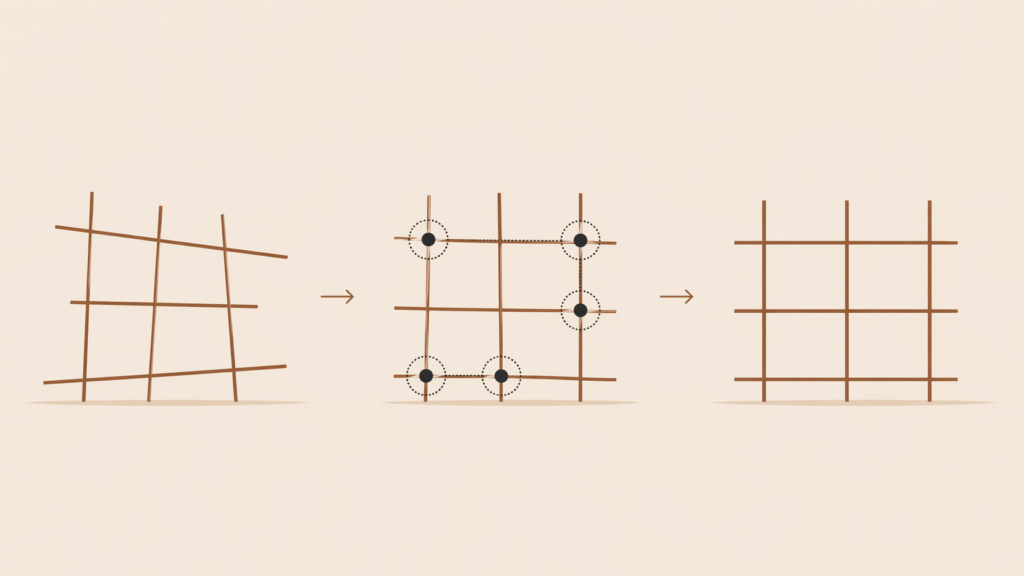
Ownership in execution is where most people fail. Responsibility does not end with the task. It begins with the method that produces results.
Policy design signals migration pathways by shaping incentives, access, and enforcement. Systems communicate behavior through structure, creating predictable movement patterns across regions.
Social coordination failure explains why groups break down under pressure. Without defined roles, expectations, and structure, conflict is not accidental—it is inevitable.
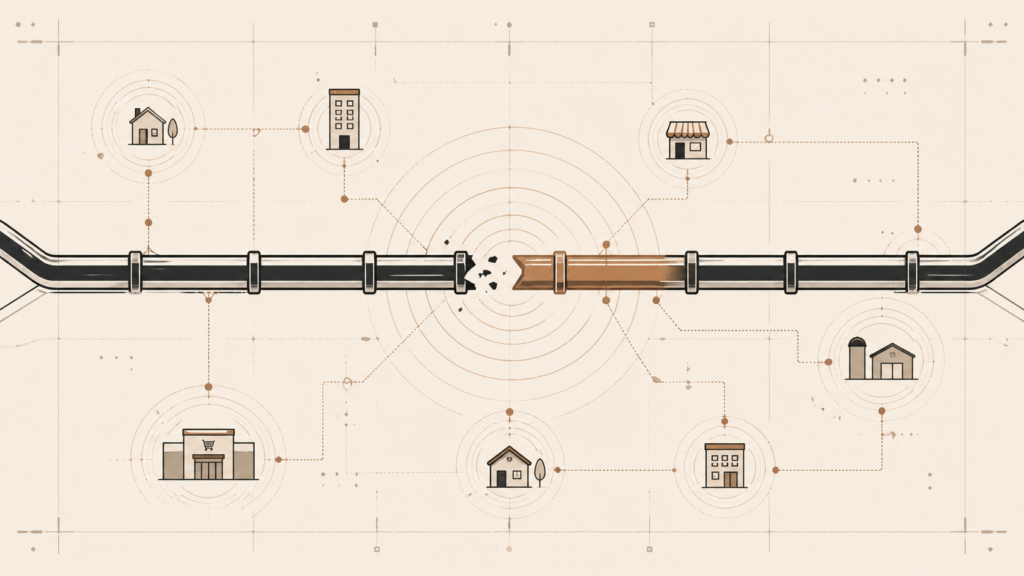
Disruption does not announce itself. It enters quietly, shifting alignment, altering behavior, and exposing weaknesses already present in the system. What begins as a single deviation quickly compounds, turning order into instability. When structure fails to absorb pressure, the entire system reveals its limits.