
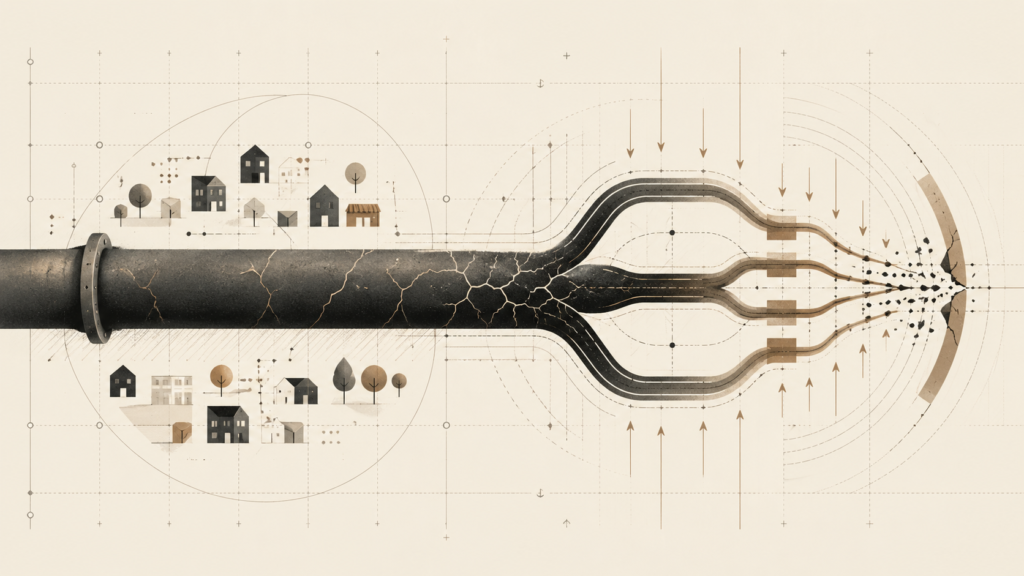
The Next SNAP Failure Will Not Look Like the Last One
The next SNAP failure will not begin from stability. It will begin from weaker participation, tighter household margins, and a system that still lacks automatic protection.
The next SNAP failure will not begin from stability. It will begin from weaker participation, tighter household margins, and a system that still lacks automatic protection.
Efficiency often looks disciplined. However, systems optimized to the edge can become fragile under pressure. Without structural margin, minor disruptions cascade into instability. Real strength requires resilience, not compression.

Attention is not a stream to follow. It is a gate to manage. Internal control begins with deciding what gets access.

If the U.S. never builds a sovereign wealth framework, it will not collapse. It will slowly fail to convert its advantages into long-term national power.
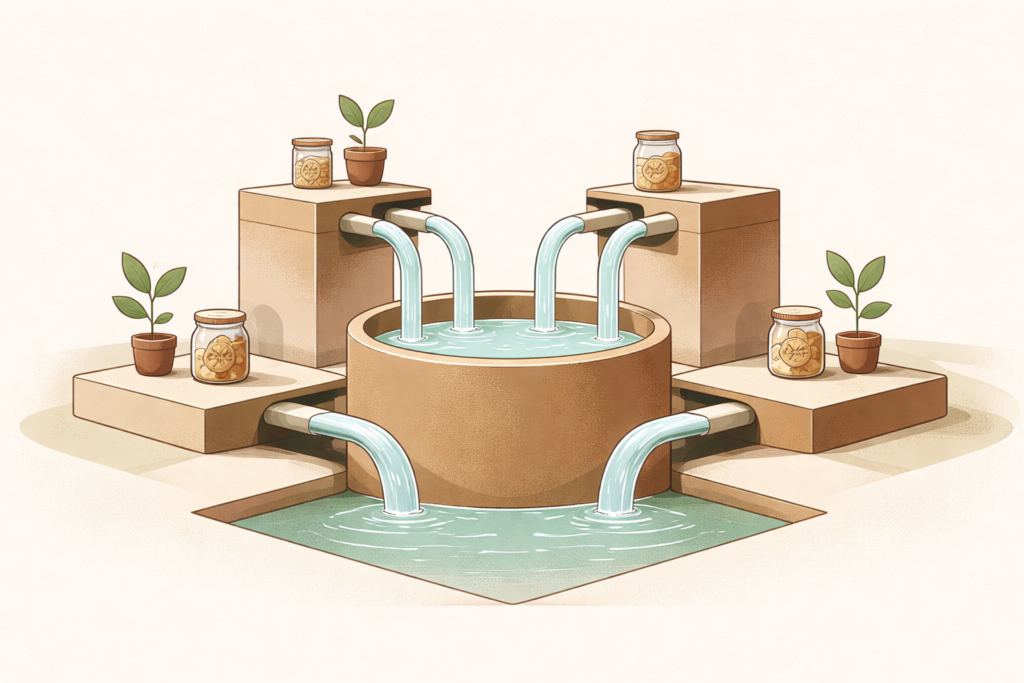
Building an emergency fund feels restrictive because most people treat it as loss instead of protection. When structured correctly, saving stops feeling like sacrifice and starts functioning like stability. The goal is not to feel broke while saving. The goal is to build security without disrupting daily life.

Housing and Credit explains how rent, mortgages, debt, and borrowing costs shape household stability, financial pressure, and long-term economic resilience.

Steward what you carry. Growth, discipline, and clarity require care. What you manage well is what you keep.
Documentation is not paperwork. It is leverage. What gets recorded becomes real, and what becomes real shapes outcomes inside systems that only recognize proof.
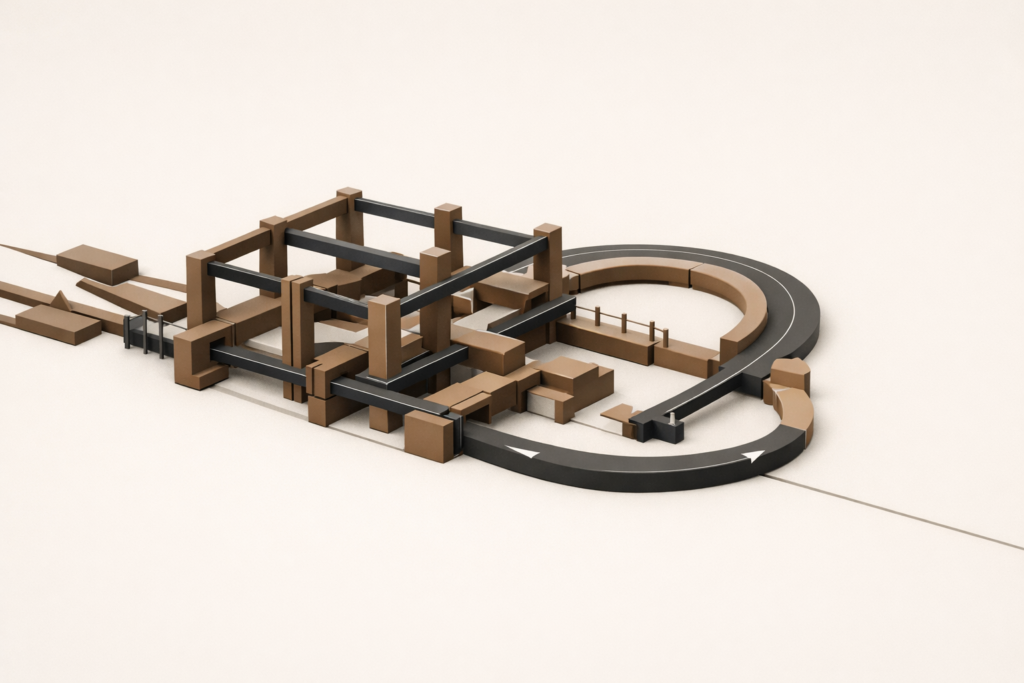
Bad systems do not survive by accident. They are protected by incentives that reward their existence.

Most outcomes are not reflections of effort. They are reflections of structure. When standards are stable, results become predictable. When standards shift, effort becomes noise. The real problem is not inconsistency in people. It is inconsistency in the system guiding them.

Skilled labor built the modern economy, yet cultural narratives often overlook its value. The dignity of skilled work comes from competence, responsibility, and the ability to build things that last.
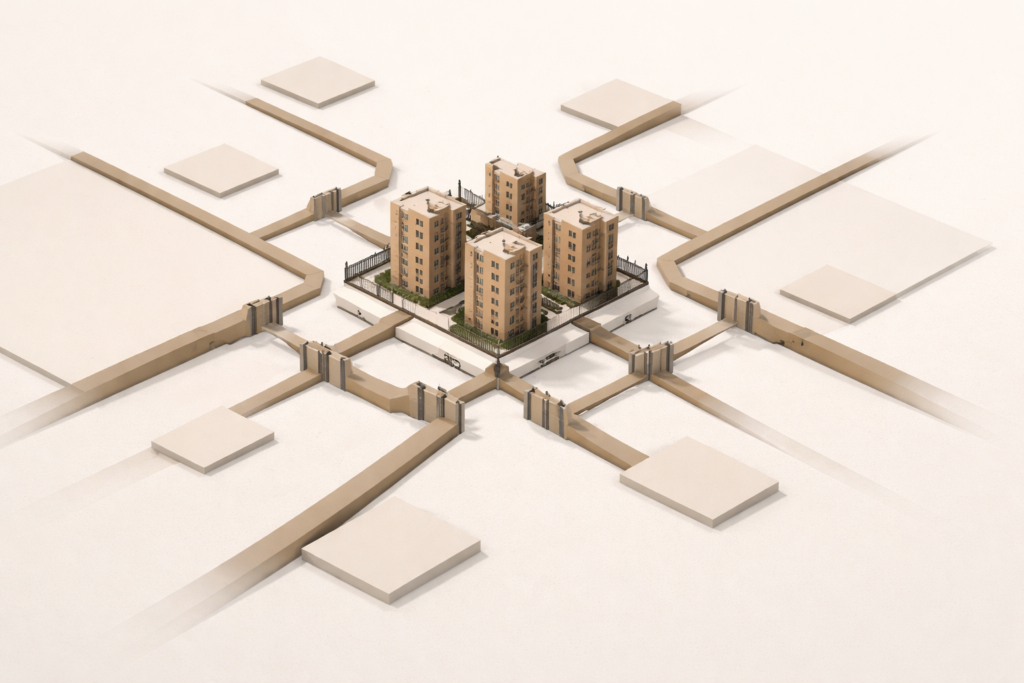
Housing policy scarcity is created when systems restrict supply, block flexibility, and protect existing structures instead of long-term stability.