
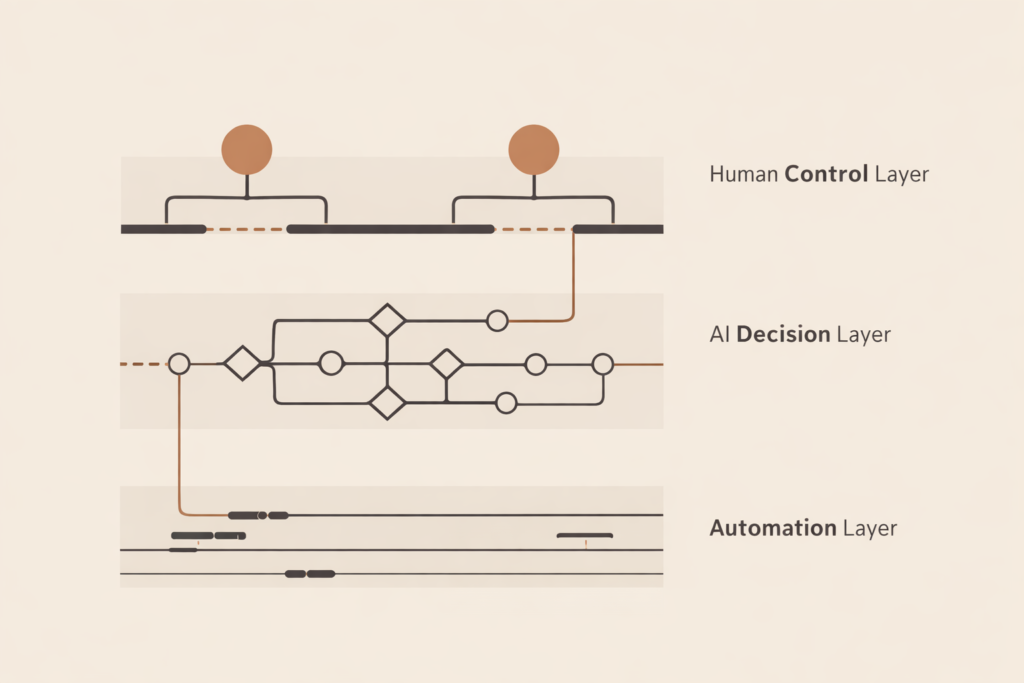
The Structure of Control: Automation, AI, and Human Authority
Human control systems keep automation and AI accountable. When execution, decision-making, and authority blur, responsibility disappears into the system.
Human control systems keep automation and AI accountable. When execution, decision-making, and authority blur, responsibility disappears into the system.

Constraint builds discipline by reducing excess, sharpening focus, and making action easier to repeat with consistency.

Constraint builds discipline by reducing excess, sharpening focus, and making action easier to repeat with consistency.

What gets attention gets imitated. Visibility shapes behavior, and repeated exposure turns observation into action over time.

Drift conditions develop when the system moves off course without obvious disruption. Nothing feels dramatic, yet alignment weakens over time. The weather remains manageable on the surface, but direction quietly changes underneath. What is ignored does not stay neutral.

Distraction is not accidental. It is engineered. Learn how to take control of your attention with simple, structured habits that protect your focus in a system designed to capture it.

Stability systems are not emotional states. They are structural frameworks that control outcomes. Without them, instability becomes the default. This post breaks down how stability is built through design, not feeling, and why disciplined systems—not motivation—determine long-term control.

Stability is not something you ask for. It is something you build. Without structure, instability becomes the default. Systems create order.

Precision in daily habits comes from doing fewer actions correctly. When execution improves, results follow without increasing volume.

Emotional delay is the discipline of inserting structure between stimulus and response. A brief pause protects clarity, stabilizes tone, and prevents unnecessary damage under pressure.
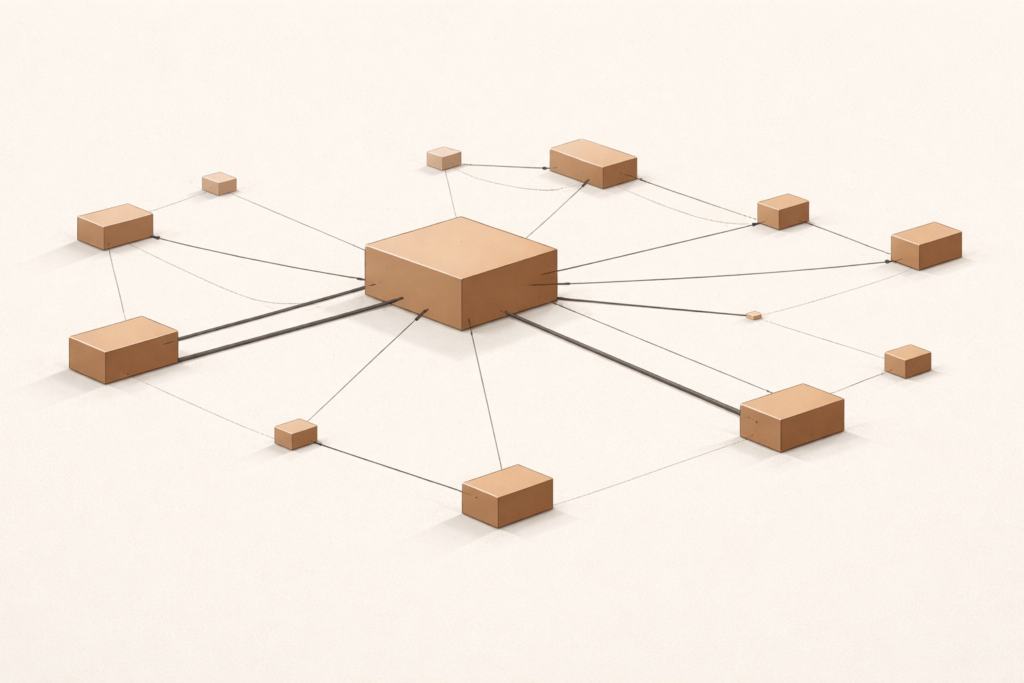
Global solidarity is often framed as moral alignment, but in practice it follows incentives. States and institutions amplify narratives that expand influence, strengthen positioning, or deflect internal pressure. When incentives shift, alignment shifts with them. What appears stable at the surface is often temporary beneath it.
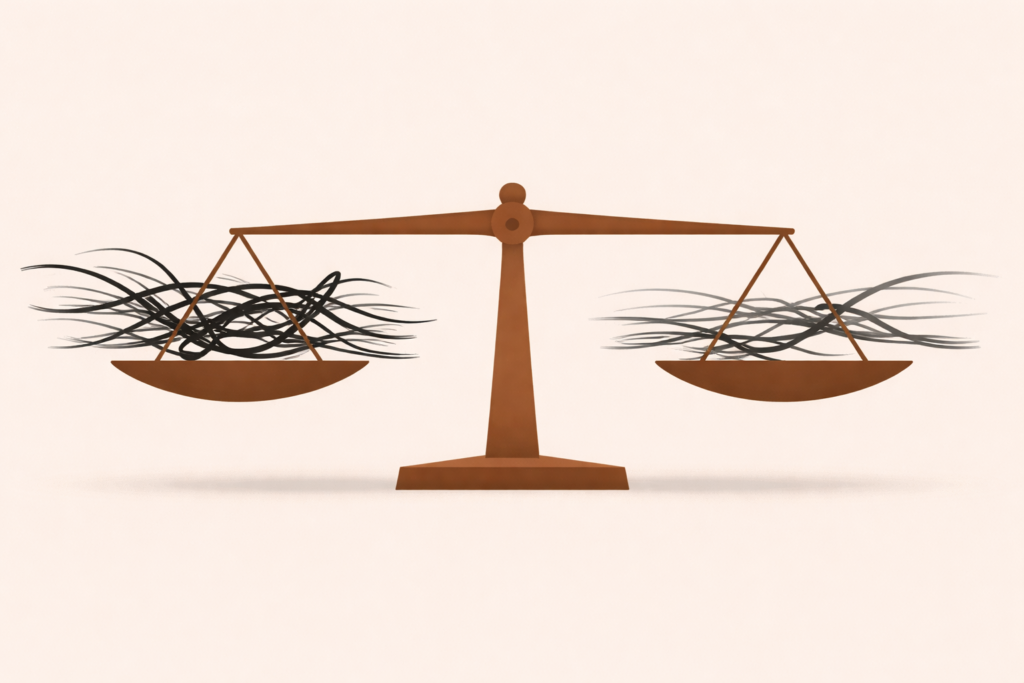
Is the attention economy bad, or is it simply misunderstood? Learn the truth behind how attention systems work, why they shape behavior, and whether the problem is the system or how people use it.