

February 2026 Groundwork Report
The February 2026 Groundwork Report applies pressure to January’s foundation, escalating the conversation on discipline, ownership, civic power, and structural accountability.
The February 2026 Groundwork Report applies pressure to January’s foundation, escalating the conversation on discipline, ownership, civic power, and structural accountability.

Relief is announced in headlines. Complexity arrives in fine print. At the kitchen table, dense policy language turns promises into paperwork and clarity into confusion.

Digital colonialism explains how global inequality, hidden-camera recording, and algorithm incentives turn private lives into monetized spectacle across borders. This is not about conquest. It is about incentives, consent gaps, and platform economics.
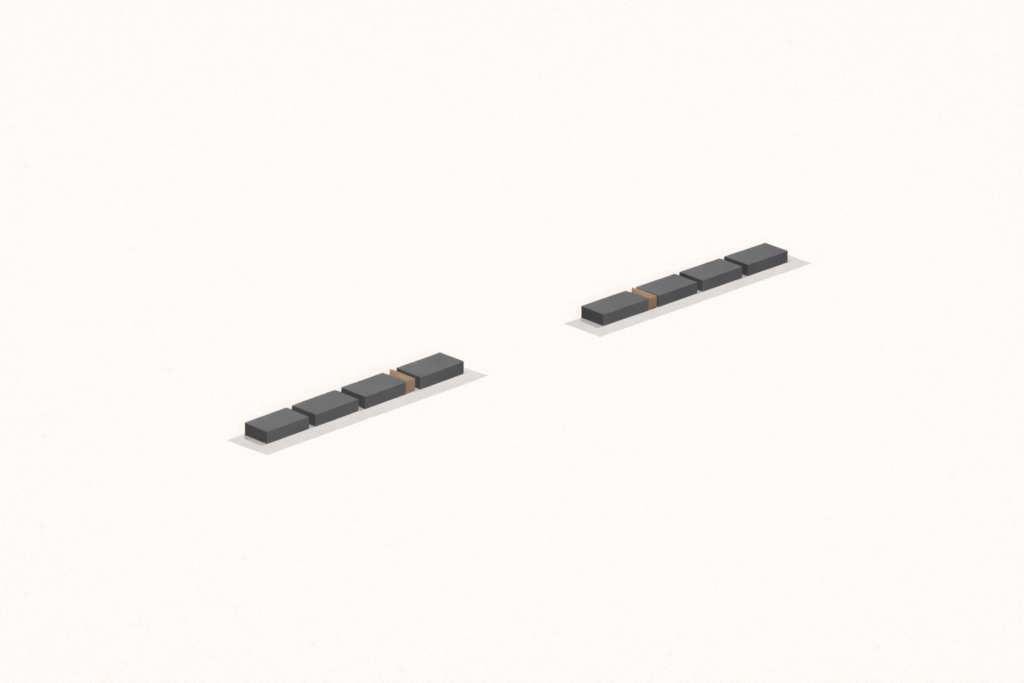
Weak points do not become strong through attention. Remove the weak point and let the system stabilize through redistributed load.

I stayed where love existed but respect did not. This journal reflects on withdrawal, emotional safety, and the quiet cost of remaining in relationships that required disappearance.

Charisma looks like strength until pressure arrives. Treated as an asset, it carries high upside and high volatility. Without structure, it depreciates fast—and culture keeps overpaying for it.

Accountability sounds virtuous until it is asked to operate without structure.
When systems fail to provide enforcement, incentives, or pathways for participation, calls for accountability collapse into blame. This is not moral clarity. It is institutional avoidance.

The internet taught people how to look powerful before it taught them how to be grounded. Somewhere along the way, presence became volume, confidence became performance, and leadership became a costume built for engagement instead of substance.

Presence is not charisma or volume. It is internal order made visible. Before words are spoken, posture, pace, and restraint already instruct the room how to respond.

When mood determines output, stability collapses. Remove the mood standard and execute from principle instead of feeling.

Skilled trades training for formerly incarcerated workers can reduce recidivism and stabilize families—but only when apprenticeship programs lead directly to real job placement. Workforce reintegration succeeds when employers, supervision systems, and training pipelines align from release to worksite.

Why institutions fail is not a mystery. Institutional drift begins when stability erodes, rules apply unevenly, and accountability weakens. Stability prevents collapse.