

Recommendation Systems: What You See Is Not an Accident
Recommendation systems decide what you see before you search. If the system curates your inputs, it shapes your direction. This breakdown shows how control operates inside attention.
AI Decision Systems examines how artificial intelligence is increasingly used to make, influence, or structure decisions that were once human-controlled. The core issue is not capability. It is authority.
As systems begin to recommend, prioritize, and execute decisions, responsibility becomes diffused. When outcomes fail, it is often unclear whether the fault lies in the system, the operator, or the structure that allowed the decision to be automated.
This tag explores how decision-making shifts when AI is introduced into workflows. It analyzes where judgment is being delegated, how incentives shape system outputs, and what is lost when human accountability is removed from the process.
Topics include algorithmic prioritization, automated recommendations, system bias, and decision delegation in professional and personal environments.
AI Decision Systems is not about technology trends. It is about control, responsibility, and the structure of judgment in an automated world.
Recommendation systems decide what you see before you search. If the system curates your inputs, it shapes your direction. This breakdown shows how control operates inside attention.
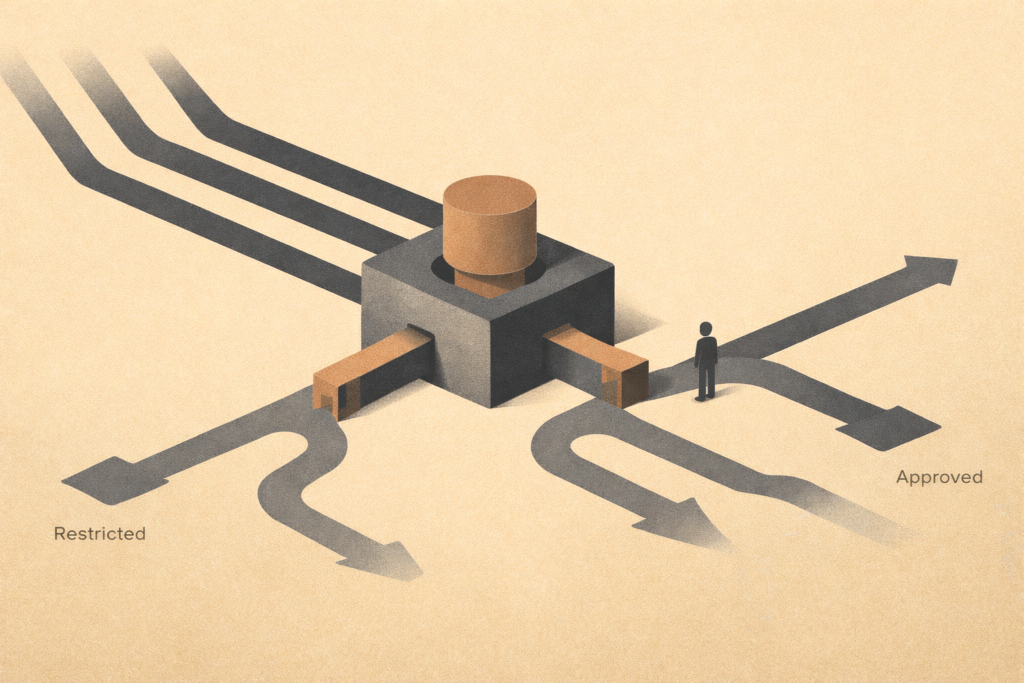
Credit scoring systems decide what you can access before you ever ask. If the model sets your limits, then your options are already constrained. This breakdown shows where control actually sits.
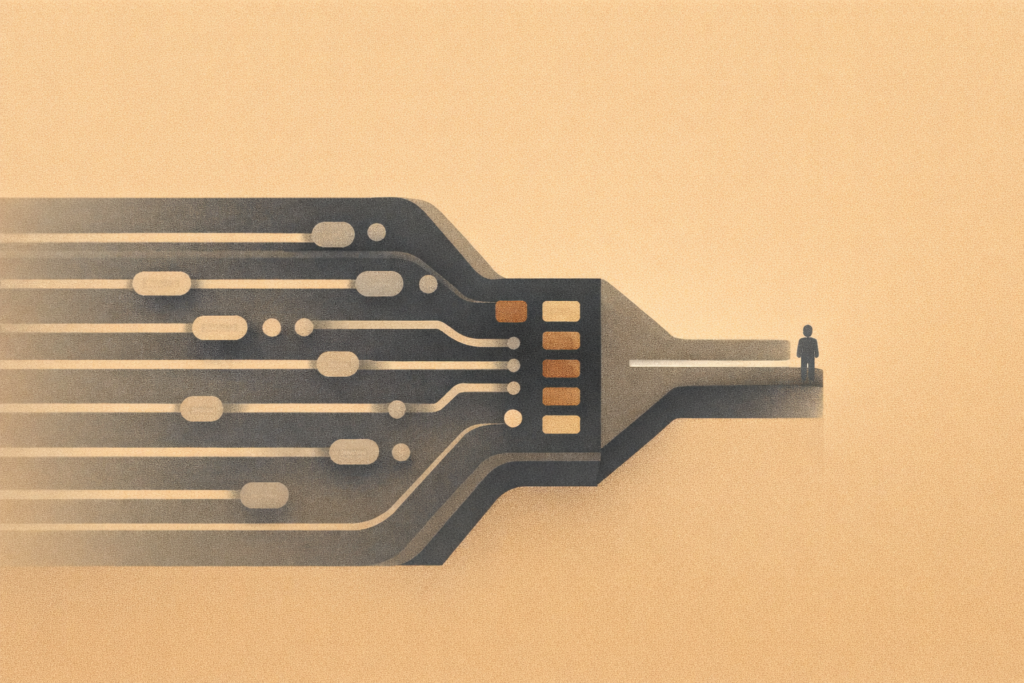
AI hiring systems rank candidates before humans review them. If the system decides who rises, then hiring authority has already shifted. This breakdown shows where control actually sits and why structure matters.
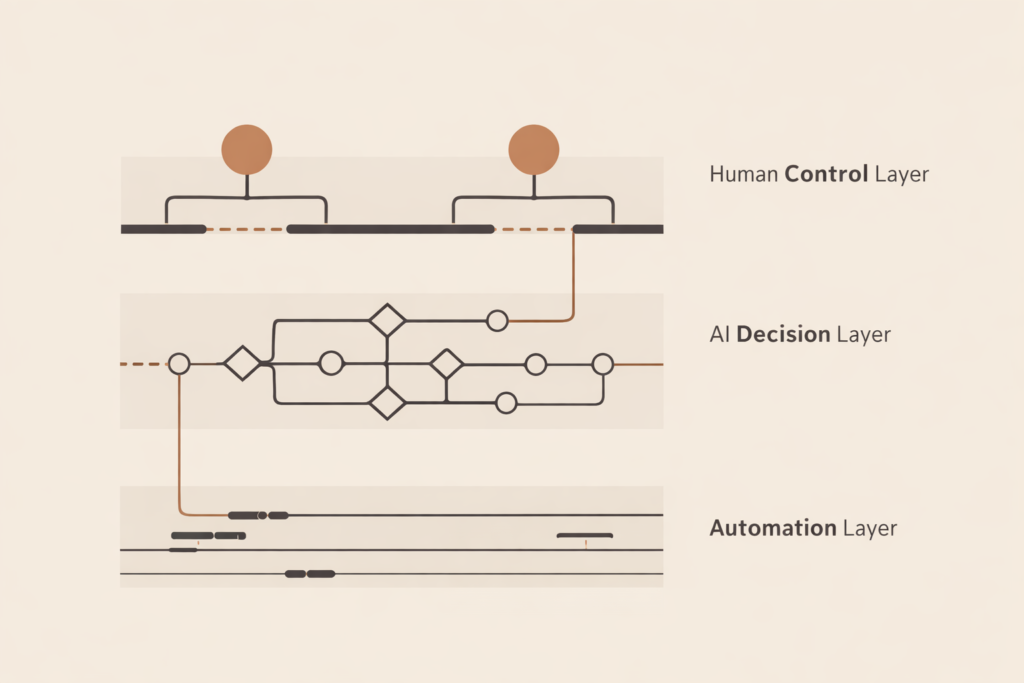
Human control systems keep automation and AI accountable. When execution, decision-making, and authority blur, responsibility disappears into the system.