

How to Build a Sustainable Health System for a Busy Life
A sustainable health system does not require your life to slow down. Build health habits around real constraints, protect capacity, catch drift early, and know when to escalate.
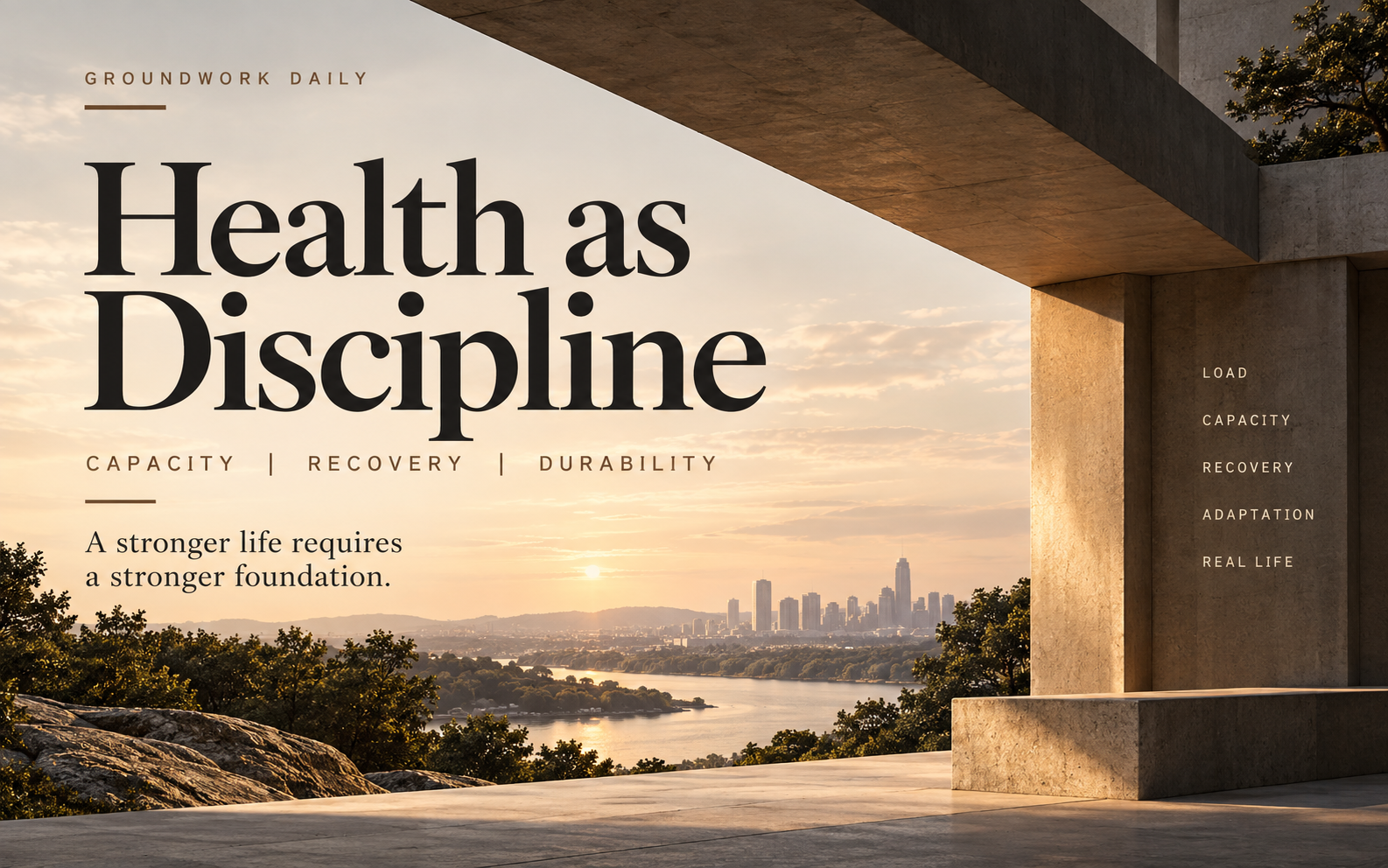
Health as Discipline examines whether the body can carry the load, recover from it, and remain reliable over time.
Built by Malik Rivers, the series explores sleep, stress, movement, recovery, nutrition, nervous-system regulation, physical capacity, and the environments that shape health. The focus is not perfect routines or wellness performance. It is building health systems strong enough to support responsibility, adaptation, and real life.
A sustainable health system does not require your life to slow down. Build health habits around real constraints, protect capacity, catch drift early, and know when to escalate.
Weight gain is easy to treat as evidence of failed discipline. But weight is an outcome, not an explanation. Stress, sleep, medications, health conditions, food access, activity, and changing life demands can all alter the system underneath the number.
Intensity gets rewarded because people can see it. Capacity is quieter. It determines whether hard work, parenting, training, relationships, and responsibility can be repeated without steadily breaking down the system underneath them.
Grief is not only emotional. Loss can change sleep, attention, appetite, cardiovascular strain, immune activity, and recovery. Understanding the physical load makes it easier to govern what the body is carrying.
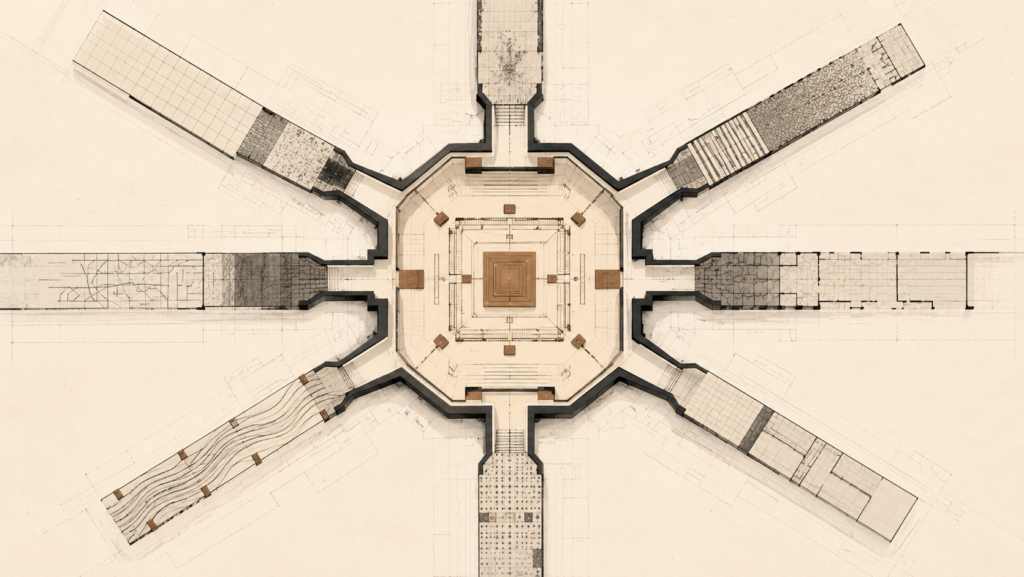
An annual health audit turns recovery, sleep, pain, stress, capacity, connection, and medical engagement into a written record designed to reveal drift before crisis.
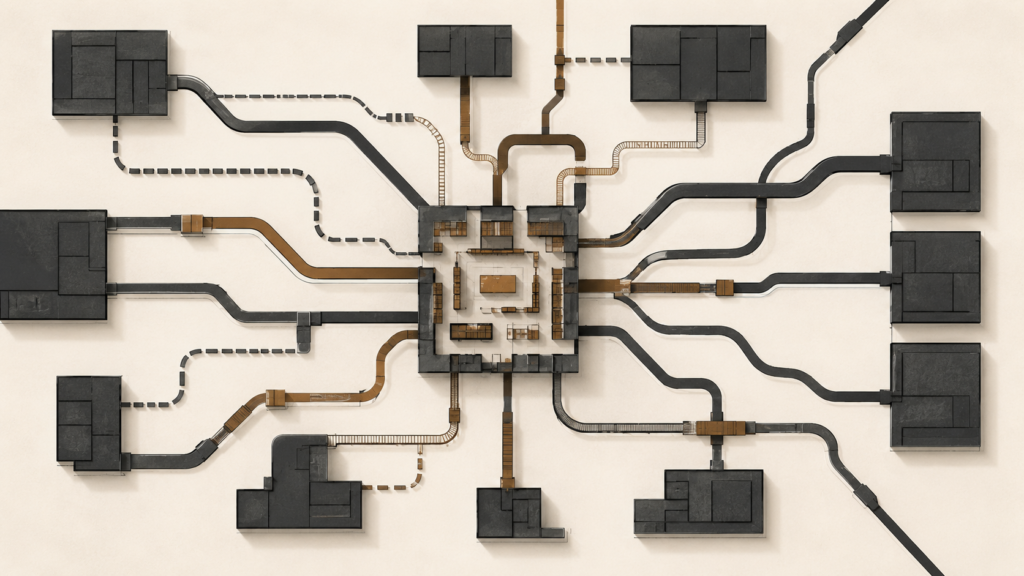
Healthy eating is not only a willpower problem. Work schedules, cost, access, family responsibilities, convenience, and technology shape food decisions before discipline enters the room. A better nutrition strategy starts by redesigning the environment around those decisions.
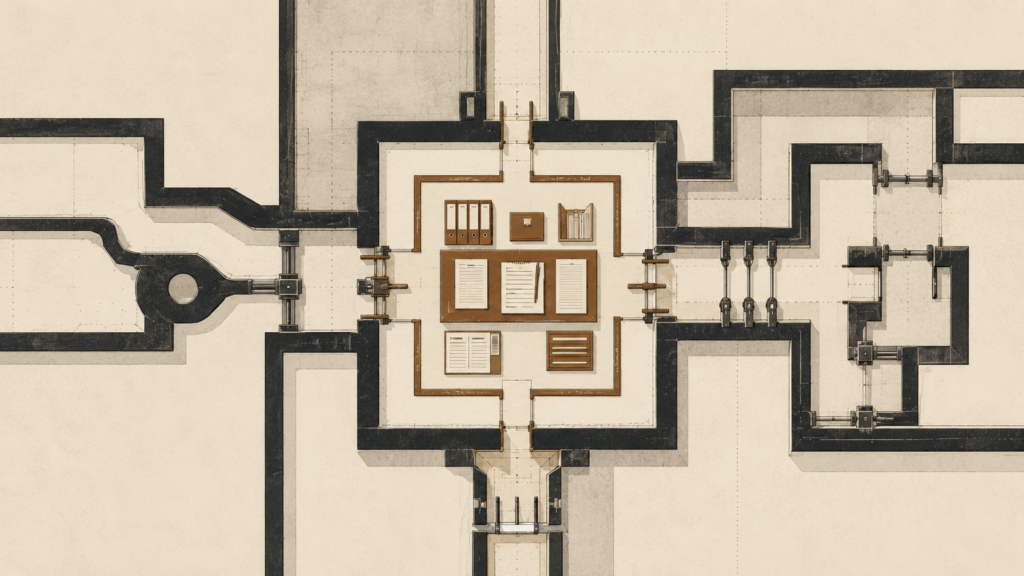
Black men have legitimate reasons to approach healthcare with skepticism. But mistrust and avoidance are not the same strategy. The work is learning how to navigate care without surrendering judgment.

Sleep is not simply time away from demand. It is a biological maintenance window for cognition, cardiovascular regulation, immunity, metabolism, and recovery, and structural conditions can determine how much of that maintenance a body actually receives.

The pressure to stay composed, work harder, provide, and remain alert can become more than a mental burden. Research on John Henryism shows how sustained high-effort coping may contribute to cardiovascular strain for Black men already carrying chronic structural pressure.

Weathering and allostatic load reveal how repeated structural stress can accumulate in the body over time, especially when recovery keeps losing to demand. This piece examines what that means for Black men’s health, resilience, capacity, and long-term self-governance.
Burnout does not always come from doing too much. Sometimes it comes from going too long without interruption. Recovery should not be the reward. It should be part of the structure.
Mental health is not about feeling good all the time. It is about staying connected to reality, relationships, recovery, and purpose.