
The Friendship Crisis Men Keep Calling Being Busy
Many men do not lose friendships all at once. They slowly replace connection with obligation until loneliness starts feeling normal.

Health as Discipline examines whether the body can carry the load, recover from it, and remain reliable over time.
Built by Malik Rivers, the series explores sleep, stress, movement, recovery, nutrition, nervous-system regulation, physical capacity, and the environments that shape health. The focus is not perfect routines or wellness performance. It is building health systems strong enough to support responsibility, adaptation, and real life.
Many men do not lose friendships all at once. They slowly replace connection with obligation until loneliness starts feeling normal.
Many men mistake depletion for ambition. Exhaustion is not proof of strength. It is a signal that capacity, recovery, and identity need repair.
More men are talking about mental health than ever before. But naming stress is not the same thing as understanding it. Mental health begins when language becomes specific enough to create change.
Efficiency often looks disciplined. However, systems optimized to the edge can become fragile under pressure. Without structural margin, minor disruptions cascade into instability. Real strength requires resilience, not compression.
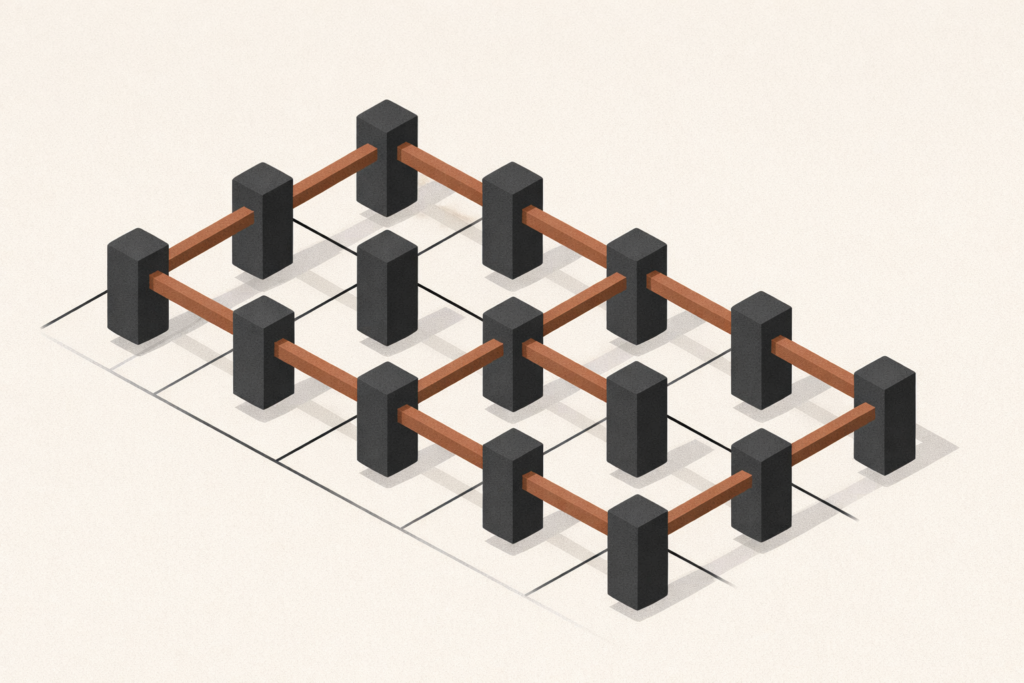
Recovery is not weakness. It is a performance skill. In this Health as Discipline entry, we explore cyclical capacity building, structured recovery, and how intelligent load management creates sustainable, high-trust performance over time.
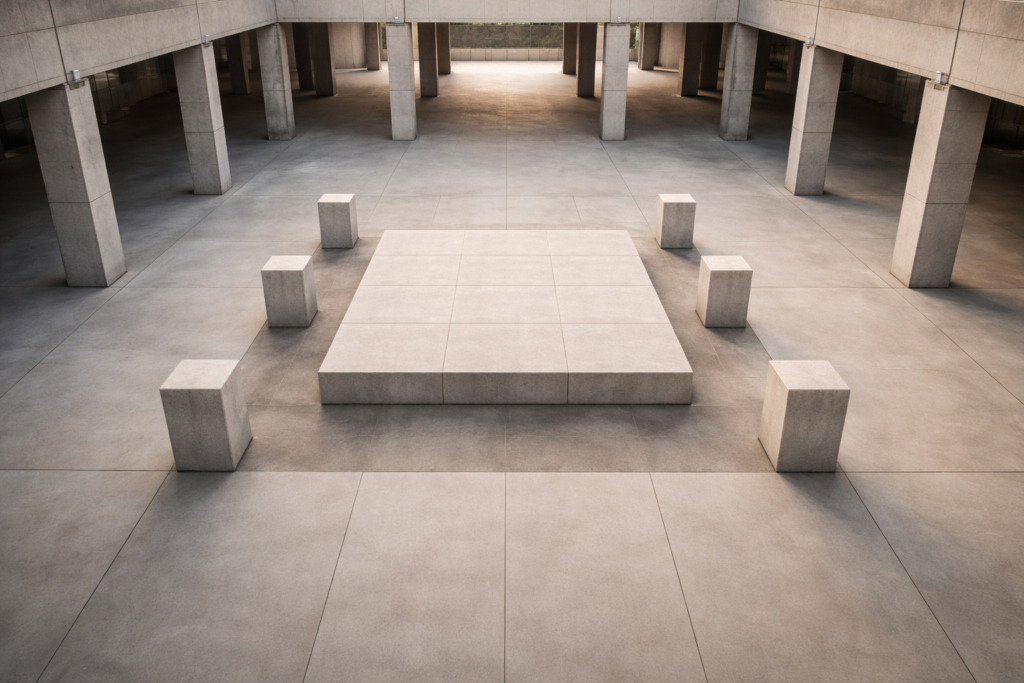
Systems do not collapse from effort alone. They collapse from compression. When margin disappears, integrity follows. Durable structures—financial, institutional, or personal—are designed with space, capacity, and engineered restraint. Stability is not intensity. It is disciplined margin.
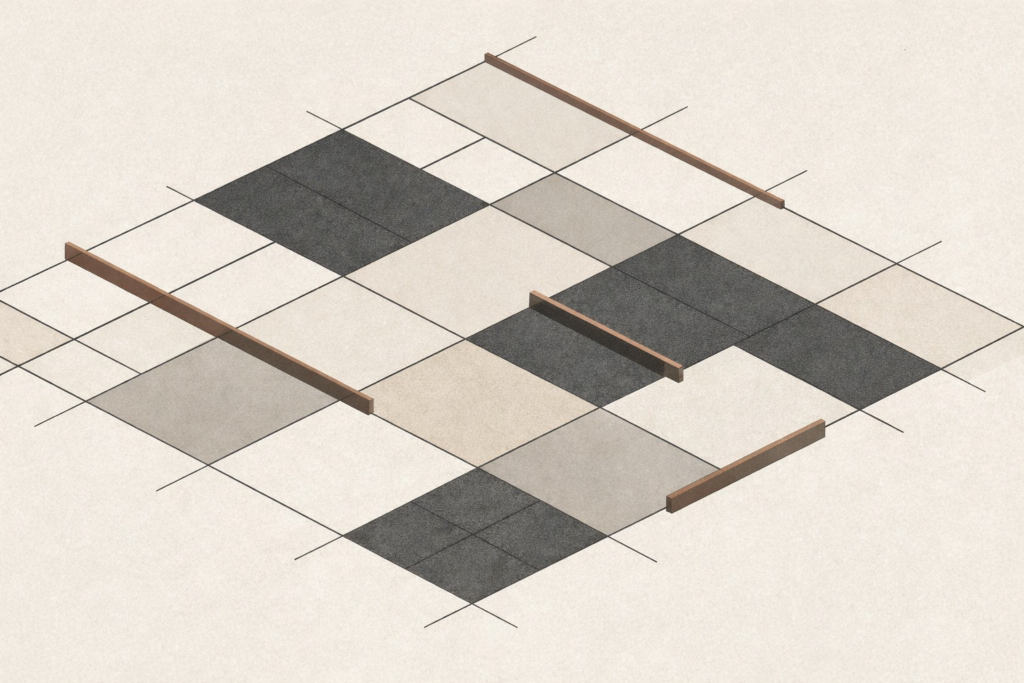
Intensity gets attention. Recovery builds capacity. When sleep, nervous system regulation, and load management are neglected, performance stalls. Recovery is a performance skill, not a luxury.
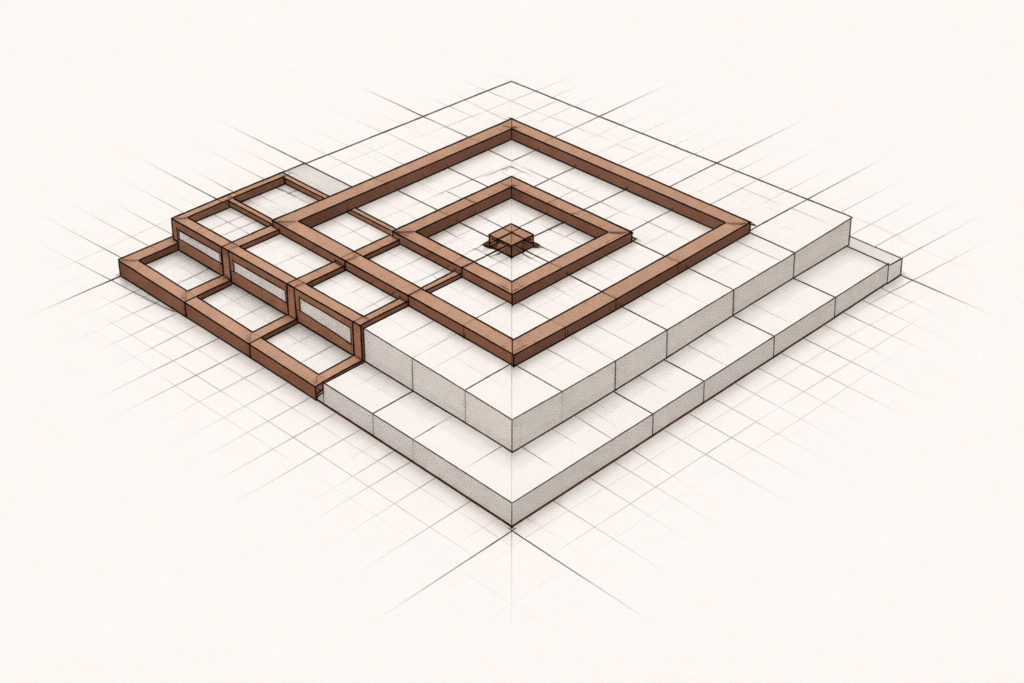
Building capacity discipline means reinforcing what was underbuilt. When the system was not designed for you, intensity is not the answer. Structural resilience is. Train for repeatability. Protect recovery. Build strength that survives real life.
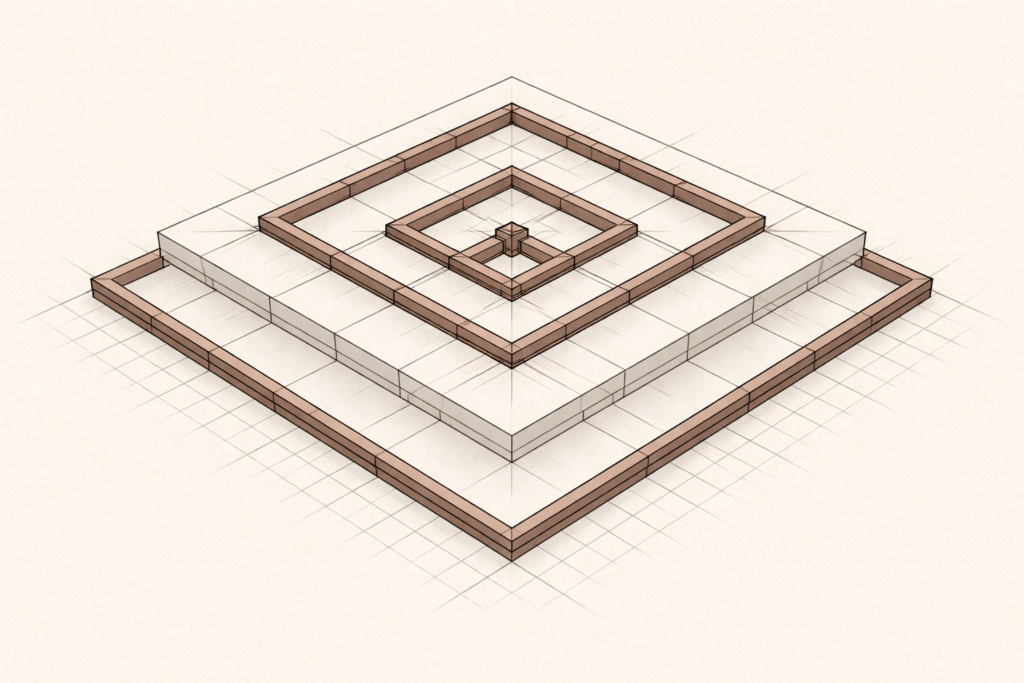
Physical capacity discipline is not about proving how hard you can train once. It is about building strength, endurance, recovery, and enough reserve to make useful effort repeatable.

Your nervous system was not designed for constant alerts, outrage cycles, and economic anxiety. Stress is not a personality trait. It is a load-bearing system under strain.
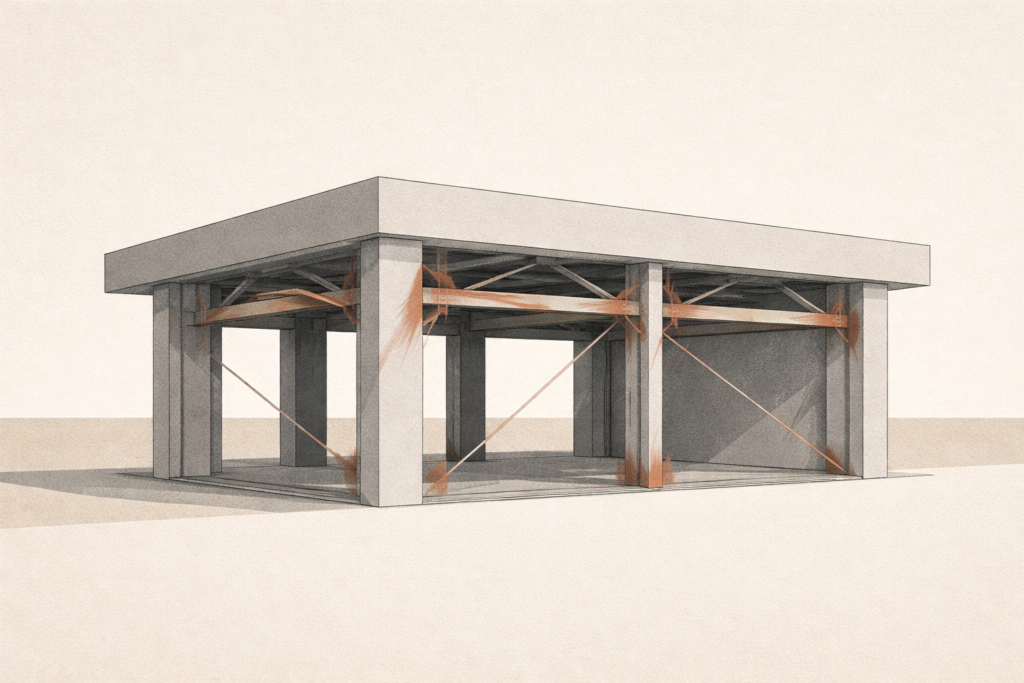
The body tells the truth before the mind constructs explanations. Long before burnout is admitted or discipline is claimed, the body registers what is actually happening.
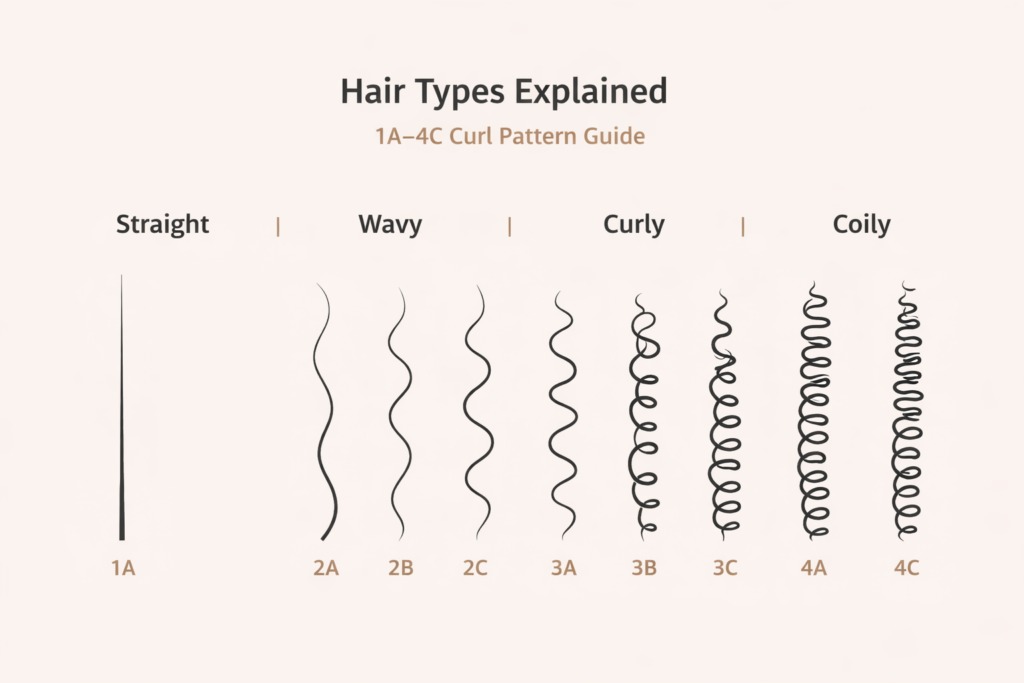
Hair types explained from straight 1A strands to tightly coiled 4C textures. This guide breaks down curl patterns, how to identify your hair type, and why texture affects moisture, breakage, and hair care routines.