
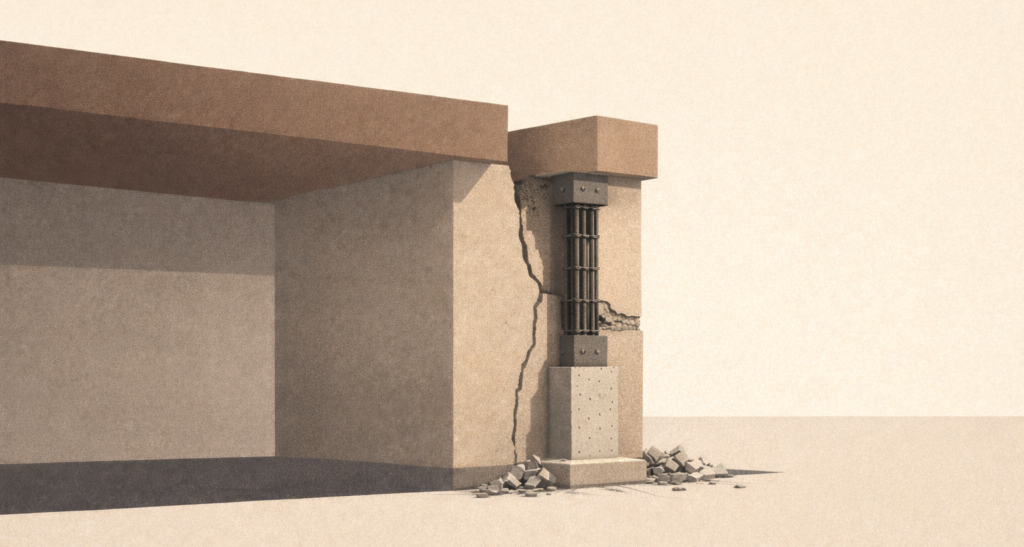
Who Pays to Fix What Broke
Who pays to fix what broke after power shifts costs and defers responsibility. When systems finally require repair, accountability becomes visible and payment concentrates where leverage is weakest.
Who pays to fix what broke after power shifts costs and defers responsibility. When systems finally require repair, accountability becomes visible and payment concentrates where leverage is weakest.
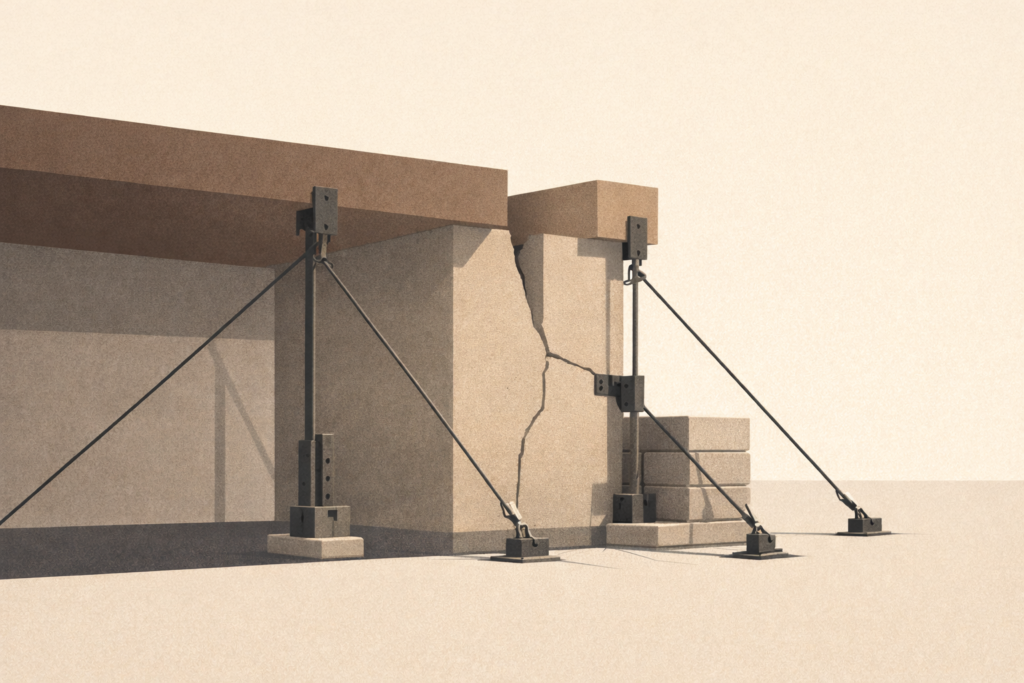
The price of stability is often higher than repair. This post explains why people defend broken systems even when the cost keeps rising.
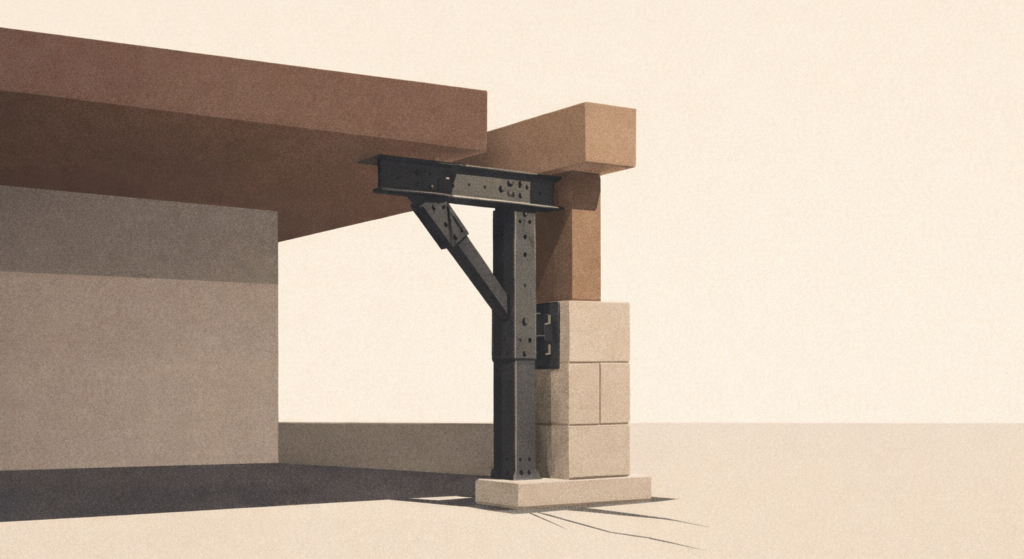
Reform is not free. It never has been. When systems finally change, the costs stop hiding. What silence once absorbed

Silence as infrastructure is not passive. It keeps systems standing by hiding strain and preventing accountability from landing where damage begins.
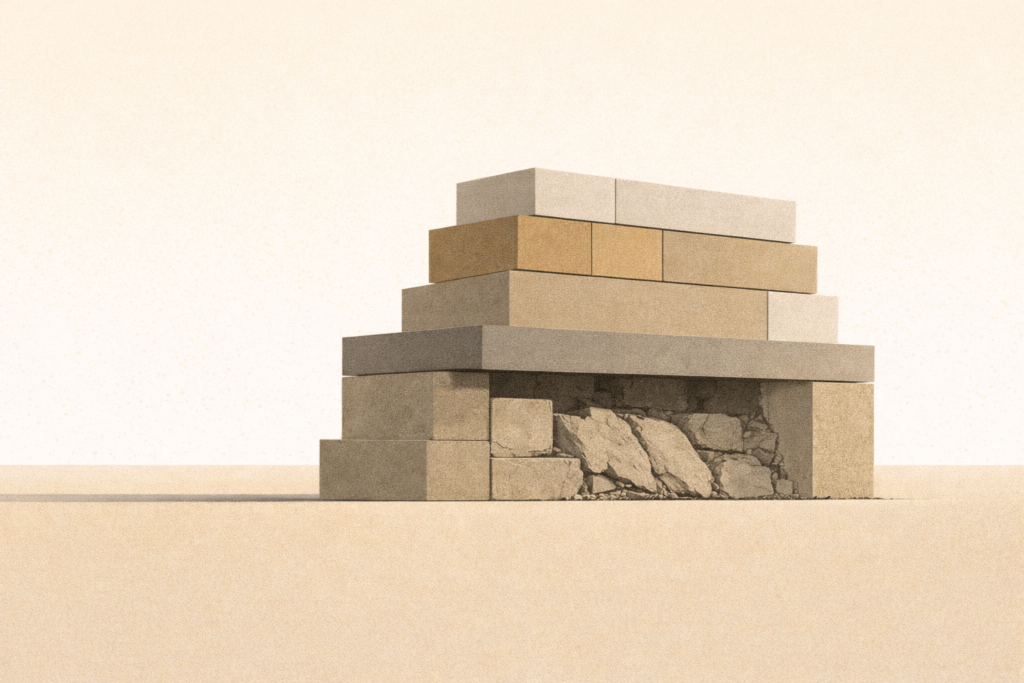
Who keeps paying after system failure? Often it is the same people who carried the load before the break, even after blame and benefit move upward.
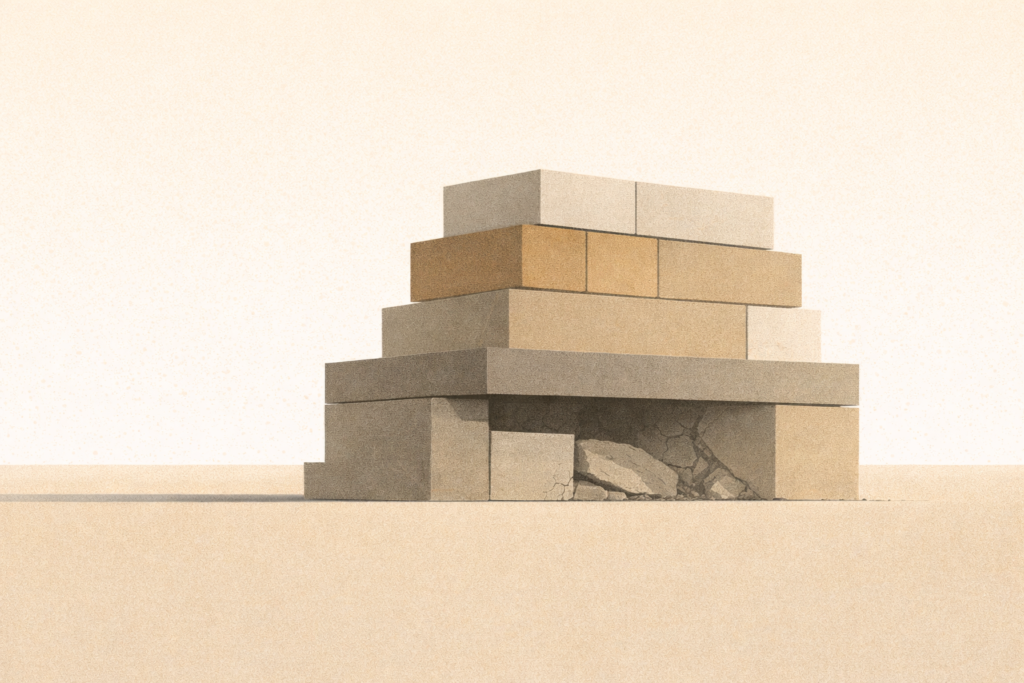
When blame moves away from failure, benefit settles somewhere else. Power and price remain connected, even when responsibility disappears.
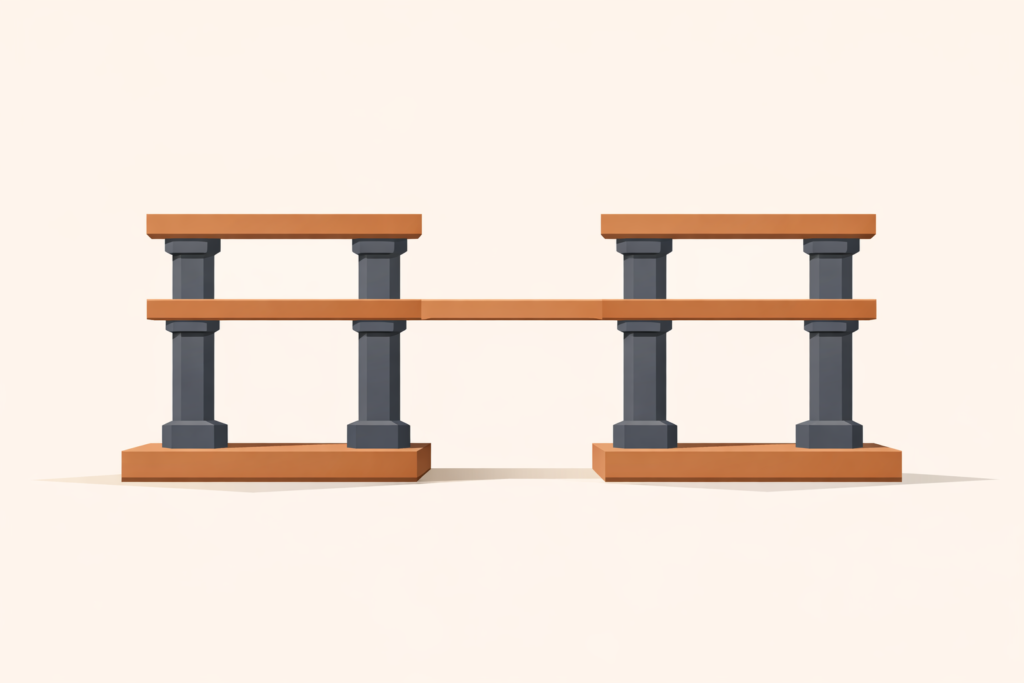
Marriage finances under stress expose whether a partnership has governance or just good intentions. The one-pot ideal often confuses symbolism with structure, and pressure reveals the difference.

Power and price do not disappear after failure. They change direction. When a system breaks, the damage rarely speaks for

Power and price remain connected even when systems appear stable. When costs keep moving instead of being paid, the base eventually breaks.
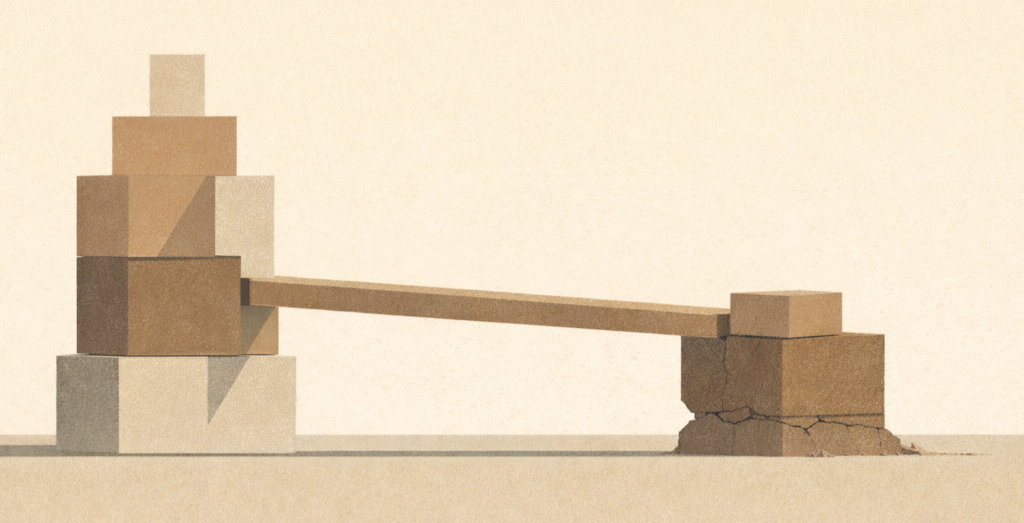
Costs rarely disappear. When power protects itself, the burden shifts quietly to somewhere else.

Power and price are inseparable. Every system that looks stable is being paid for by someone else—often quietly, often later.